
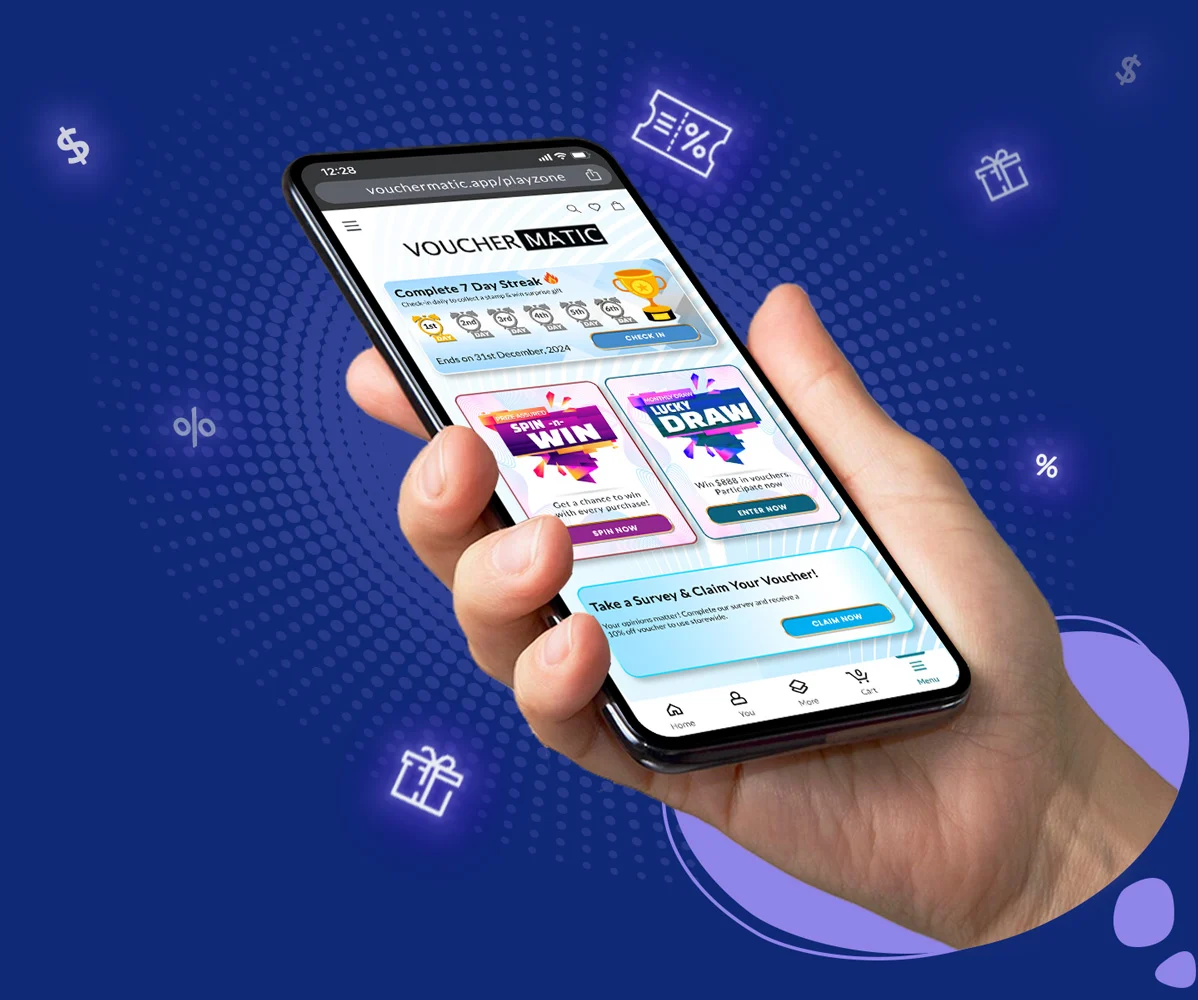
In the modern payments narrative, attention gravitates toward real-time payments, wallets, embedded finance, and crypto assets. Digital vouchers, by contrast, are often underestimated—dismissed as glorified gift cards or marketing tools. That view misses the bigger picture. They are evolving into one of the most flexible, controllable, and scalable instruments of value transfer in the digital economy. They sit at the intersection of payments, incentives, welfare distribution, loyalty, and embedded finance quietly powering use cases that traditional payment rails struggle to serve efficiently. To understand digital vouchers is to understand how money becomes programmable without becoming money.
What Are Digital Vouchers?
A digital voucher is a digitally issued, stored, and redeemed value instrument that represents:
-
A fixed monetary value
-
Or a right to specific goods or services
-
Redeemable under predefined conditions
Unlike cash or cards, digital vouchers are:
-
Purpose-bound
-
Rule-driven
-
Context-specific
They may be delivered via:
-
Mobile apps
-
SMS or email
-
QR codes
-
Wallets
-
APIs embedded in platforms
What distinguishes it is not the format but the control embedded in their design.
From Paper Coupons to Programmable Value
Vouchers are not new. Paper coupons, meal tickets, and gift certificates have existed for decades.
What changed is digitization plus programmability.
Digital vouchers introduced:
-
Instant issuance
-
Remote distribution
-
Real-time redemption
-
Automated reconciliation
-
Embedded controls
More importantly, they introduced intent into value transfer.
A digital voucher answers not just:
“How much value is transferred?”
But:
“Where, when, how, and for what purpose can this value be used?”
Why Digital Vouchers Gained Strategic Importance
It gained momentum because they solve problems traditional payments struggle with:
-
Control – ensuring funds are used for intended purposes
-
Targeting – delivering value to specific users or groups
-
Speed – instant issuance without bank dependencies
-
Inclusion – usable without cards or bank accounts
-
Auditability – clear tracking of issuance and redemption
In an era of platform economies and policy-driven distribution, these attributes are invaluable.
How Digital Vouchers Work
At a high level, digital voucher systems involve four core components:
-
Issuer – brand, employer, government, or platform
-
Voucher Engine – creates and manages voucher logic
-
Distribution Layer – SMS, app, email, wallet, API
-
Acceptance Network – merchants or service providers
Each voucher is defined by:
-
Value or entitlement
-
Validity period
-
Redemption conditions
-
Merchant or category restrictions
-
Single or multi-use logic
This makes vouchers mini-contracts of value, not just stored balances.
Digital Vouchers vs Traditional Payments
It differ fundamentally from cards or wallets.
Cards and wallets are:
-
General-purpose
-
User-controlled
-
Fungible
Digital vouchers are:
-
Purpose-specific
-
Issuer-controlled
-
Non-fungible by design
This distinction makes vouchers ideal for scenarios where outcomes matter more than freedom.
The Psychology of Vouchers: Why They Work
It influence behavior differently from cash.
Behavioral economics shows that:
-
Vouchers increase perceived value
-
Restricted spending reduces guilt
-
Purpose-bound value feels “earned” or “deserved”
This is why vouchers outperform cash in:
-
Employee incentives
-
Consumer promotions
-
Welfare programs
-
Loyalty rewards
Vouchers guide behavior without feeling coercive.
Corporate Use Cases: Incentives, Rewards, and Control
Enterprises increasingly prefer digital vouchers for:
-
Employee rewards
-
Sales incentives
-
Channel partner programs
-
Customer promotions
Why?
Because vouchers offer:
-
Predictable costs
-
Controlled redemption
-
Brand-aligned spending
-
Tax and accounting clarity
Unlike cash bonuses, vouchers:
-
Reinforce desired behavior
-
Tie value to engagement
-
Reduce misuse
For CFOs, vouchers are not giveaways—they are managed liabilities.
Digital Vouchers in E-Commerce and Platforms
E-commerce platforms use digital vouchers to:
-
Drive first-time purchases
-
Increase average order value
-
Retain users
-
Reduce churn
Platform-issued vouchers function as:
-
Targeted subsidies
-
Demand-shaping tools
-
Growth levers
Because vouchers are programmable, platforms can:
-
Restrict usage to categories
-
Combine them with dynamic pricing
-
Optimize campaigns in real time
Vouchers become growth algorithms, not marketing expenses.
Gift Cards: The Gateway Use Case
Digital gift cards are the most visible form of digital vouchers.
Their success lies in:
-
Emotional framing (gifting)
-
Simplicity of use
-
Brand affinity
-
Prepaid economics
For merchants, gift vouchers:
-
Bring forward revenue
-
Lock spend into the brand
-
Reduce refund leakage
For consumers, they:
-
Remove choice anxiety
-
Signal intent
-
Preserve flexibility within bounds
Gift cards showed the market that restricted value can still feel empowering.
Government and Welfare Distribution
One of the most transformative uses of digital vouchers is in public policy and welfare distribution.
Governments use digital vouchers to:
-
Subsidize food, fuel, or healthcare
-
Deliver disaster relief
-
Support education and nutrition programs
Digital vouchers ensure:
-
Funds reach intended beneficiaries
-
Spending aligns with policy goals
-
Leakages are reduced
-
Audits are simplified
In many regions, voucher-based distribution outperforms cash transfers in efficiency and accountability.
Financial Inclusion: Value Without Banking
Digital vouchers often serve users who:
-
Lack bank accounts
-
Do not own cards
-
Are digitally connected but financially excluded
Because vouchers can be:
-
Delivered via basic phones
-
Redeemed offline or via QR
-
Used without KYC-heavy onboarding
They act as on-ramps to the digital economy.
For first-time users, vouchers often precede wallets and accounts—building familiarity before formal finance.
Digital Vouchers vs Wallets
Wallets store money.
Vouchers store intent.
While wallets maximize flexibility, vouchers maximize:
-
Control
-
Precision
-
Compliance
In many ecosystems, vouchers live inside wallets, coexisting with cash balances. This hybrid model combines:
-
User convenience
-
Issuer governance
The future is not vouchers or wallets—but vouchers embedded in wallets.
Fraud and Risk Management
Digital vouchers have a different risk profile than cash or cards.
Lower Risk
-
No reusable credentials
-
Limited value exposure
-
Single-purpose design
-
Time-bound validity
Key Risks
-
Voucher leakage
-
Unauthorized distribution
-
Resale in gray markets
-
Redemption manipulation
Modern voucher platforms mitigate these risks through:
-
One-time codes
-
Device binding
-
Real-time validation
-
Transaction monitoring
Because vouchers are constrained, fraud impact is capped by design.
Settlement and Economics
Behind the scenes, digital vouchers create:
-
Deferred settlement obligations
-
Float management opportunities
-
Breakage economics (unredeemed value)
For issuers and platforms:
-
Breakage improves margins
-
Predictable redemption improves forecasting
For regulators and auditors:
-
Clear issuance-to-redemption trails
-
Reduced ambiguity compared to cash incentives
Digital vouchers turn value transfer into a measurable, auditable process.
The Rise of Programmable Incentives
Digital vouchers are increasingly used as:
-
Conditional rewards
-
Outcome-based incentives
-
Behavior nudges
Examples include:
-
Health vouchers redeemable after checkups
-
Education vouchers tied to attendance
-
Sustainability vouchers for eco-friendly purchases
This turns vouchers into policy instruments, not just payment tools.
Digital Vouchers and Embedded Finance
As embedded finance expands, vouchers act as:
-
Embedded subsidies
-
Contextual discounts
-
Micro-benefits triggered by actions
In ride-hailing, food delivery, mobility, and education platforms, vouchers:
-
Smooth price sensitivity
-
Guide demand
-
Align platform incentives with user behavior
They are the quiet mechanics behind many “free” experiences.
Interoperability and Ecosystem Challenges
Despite their strengths, digital vouchers face challenges:
-
Fragmented acceptance
-
Lack of standardization
-
Closed-loop ecosystems
Efforts to integrate vouchers into broader acceptance networks—often alongside wallets and QR systems—are ongoing.
The long-term value of vouchers depends on:
Balancing control with usability.
The Strategic Value of Digital Vouchers
Digital vouchers matter because they:
-
Separate value from cash
-
Encode intent into payments
-
Enable controlled inclusion
-
Improve policy execution
-
Align incentives at scale
They represent a shift from money as a medium to value as a message.
The Future of Digital Vouchers
The next phase of digital vouchers will include:
-
API-native issuance
-
Real-time analytics
-
Cross-platform redemption
-
Integration with digital identity
-
Smart-contract-like logic
Vouchers will increasingly resemble:
Programmable claims on value, rather than prepaid money.
Conclusion: Not Just Discounts, But Design
Digital vouchers are not a side story in payments. They are a design choice a way to move value with purpose.
In a world where:
-
Platforms shape behavior
-
Governments seek accountability
-
Enterprises demand control
-
Inclusion remains uneven
Digital vouchers offer something rare:
Precision without complexity.
They do not replace money. They refine how money is used. And in the next decade of digital commerce and public finance, that refinement may matter more than raw speed or scale.
Comments
No comments yet. Be the first to share your thoughts.
Leave a comment