<div class="qMYqUG_convSearchResultHighlightRoot">
<div class="" data-turn-id-container="request-WEB:433b5986-07d6-4817-825b-252fd02258c3-18" data-is-intersecting="true"><section class="text-token-text-primary w-full focus:outline-none has-data-writing-block:pointer-events-none [&:has([data-writing-block])>*]:pointer-events-auto R6Vx5W_threadScrollVars scroll-mb-[calc(var(--scroll-root-safe-area-inset-bottom,0px)+var(--thread-response-height))] scroll-mt-[calc(var(--header-height)+min(200px,max(70px,20svh)))]" dir="auto" data-turn-id="request-WEB:433b5986-07d6-4817-825b-252fd02258c3-18" data-turn-id-container="request-WEB:433b5986-07d6-4817-825b-252fd02258c3-18" data-testid="conversation-turn-24" data-scroll-anchor="false" data-turn="assistant">
<div class="text-base my-auto mx-auto pb-10 [--thread-content-margin:var(--thread-content-margin-xs,calc(var(--spacing)*4))] @w-sm/main:[--thread-content-margin:var(--thread-content-margin-sm,calc(var(--spacing)*6))] @w-lg/main:[--thread-content-margin:var(--thread-content-margin-lg,calc(var(--spacing)*16))] px-(--thread-content-margin)">
<div class="[--thread-content-max-width:40rem] @w-lg/main:[--thread-content-max-width:48rem] mx-auto max-w-(--thread-content-max-width) flex-1 group/turn-messages focus-visible:outline-hidden relative flex w-full min-w-0 flex-col agent-turn">
<div class="flex max-w-full flex-col gap-4 grow">
<div class="min-h-8 text-message relative flex w-full flex-col items-end gap-2 text-start break-words whitespace-normal outline-none keyboard-focused:focus-ring [.text-message+&]:mt-1" dir="auto" data-message-author-role="assistant" data-message-id="83772bd5-5a96-4dfa-9e67-3d4ff6e9f7fd" data-message-model-slug="gpt-5-5" data-turn-start-message="true">
<div class="flex w-full flex-col gap-1 empty:hidden">
<div class="markdown prose dark:prose-invert wrap-break-word w-full light markdown-new-styling">
<h1 data-section-id="jt9qsw" data-start="332" data-end="404">API Banking: The Infrastructure Powering Modern Financial Connectivity</h1>
<p data-start="406" data-end="705">The banking industry is no longer operating within isolated systems. Financial services today are increasingly interconnected, digital-first, and driven by real-time data exchange. Customers expect seamless experiences across banking apps, payment platforms, e-commerce systems, and financial tools.At the center of this transformation is API banking.</p>
<p data-start="761" data-end="1021">API banking is redefining how financial institutions connect with businesses, fintech companies, third-party platforms, and customers. It allows banking services to move beyond traditional banking channels and become integrated into broader digital ecosystems.</p>
<p data-start="1023" data-end="1257">What once required complex infrastructure and manual integration can now be delivered instantly through secure digital interfaces. This shift is not only changing banking technology—it is reshaping the entire financial services model.</p>
<p data-start="1259" data-end="1424">As embedded finance, open banking, and digital payments continue expanding globally, API banking is becoming one of the most important foundations of modern finance.</p>
<h2 data-section-id="f9tku7" data-start="1431" data-end="1459">Understanding API Banking</h2>
<p data-start="1461" data-end="1620">API banking refers to the use of Application Programming Interfaces (APIs) to enable secure communication and data exchange between banks and external systems.</p>
<p data-start="1622" data-end="1736">An API acts as a digital bridge that allows different software platforms to interact with each other in real time.</p>
<p data-start="1738" data-end="1916">In banking, APIs make it possible for third-party applications, fintech platforms, merchants, and enterprise systems to access specific banking services securely and efficiently.</p>
<p data-start="1918" data-end="1945">These services may include:</p>
<ul data-start="1947" data-end="2142">
<li data-section-id="r85rzk" data-start="1947" data-end="1971">Account verification</li>
<li data-section-id="1mo7tvd" data-start="1972" data-end="1994">Payment processing</li>
<li data-section-id="13bhx8q" data-start="1995" data-end="2025">Transaction history access</li>
<li data-section-id="rzee2x" data-start="2026" data-end="2047">Balance inquiries</li>
<li data-section-id="3hsmh5" data-start="2048" data-end="2066">Fund transfers</li>
<li data-section-id="u6pxtv" data-start="2067" data-end="2096">Foreign exchange services</li>
<li data-section-id="1pw3tnz" data-start="2097" data-end="2116">Loan processing</li>
<li data-section-id="19bce1z" data-start="2117" data-end="2142">Identity verification</li>
</ul>
<p data-start="2144" data-end="2279">Instead of building separate banking infrastructure from scratch, businesses can connect directly to banking capabilities through APIs.</p>
<p data-start="2281" data-end="2338">This creates faster, more scalable financial integration.</p>
<h2 data-section-id="16mt9ki" data-start="2345" data-end="2377">Why API Banking Matters Today</h2>
<p data-start="2379" data-end="2587">Traditional banking systems were historically designed as closed environments. Financial institutions controlled customer access through physical branches, proprietary systems, and isolated digital platforms.</p>
<p data-start="2589" data-end="2620">That model is rapidly changing.</p>
<p data-start="2622" data-end="2840">Modern consumers expect financial services to function seamlessly across apps, devices, and digital platforms. Businesses also require real-time financial connectivity to support global operations and digital commerce.</p>
<p data-start="2842" data-end="2963">API banking enables this shift by allowing financial services to become modular and accessible within external platforms.</p>
<p data-start="2965" data-end="3019">Several factors are accelerating API banking adoption:</p>
<ul data-start="3021" data-end="3264">
<li data-section-id="1aagu2c" data-start="3021" data-end="3053">Growth of fintech ecosystems</li>
<li data-section-id="1971365" data-start="3054" data-end="3095">Expansion of open banking regulations</li>
<li data-section-id="1bhj1je" data-start="3096" data-end="3124">Rise of embedded finance</li>
<li data-section-id="dk7c73" data-start="3125" data-end="3158">Demand for real-time payments</li>
<li data-section-id="1umjqj" data-start="3159" data-end="3193">Increased mobile banking usage</li>
<li data-section-id="1k3l9ee" data-start="3194" data-end="3224">Digital commerce expansion</li>
<li data-section-id="dhgjwt" data-start="3225" data-end="3264">Cross-platform customer experiences</li>
</ul>
<p data-start="3266" data-end="3416">API banking is no longer optional infrastructure for financial institutions—it is becoming essential for remaining competitive in the digital economy.</p>
<h2 data-section-id="6yuup3" data-start="3423" data-end="3477">The Connection Between API Banking and Open Banking</h2>
<p data-start="3479" data-end="3540">API banking plays a central role in the rise of open banking.</p>
<p data-start="3542" data-end="3687">Open banking refers to a financial framework where banks securely share customer-approved financial data with third-party providers through APIs.</p>
<p data-start="3689" data-end="3826">This creates a more connected financial ecosystem where customers can access multiple financial services through integrated applications.</p>
<p data-start="3828" data-end="3977">For example, APIs allow budgeting apps, lending platforms, payment services, and financial management tools to connect directly with banking systems.</p>
<p data-start="3979" data-end="4061">The goal is to improve financial innovation, competition, and customer experience.</p>
<p data-start="4063" data-end="4216">Open banking regulations in several regions have accelerated API adoption by encouraging financial institutions to modernize data-sharing infrastructure.</p>
<h2 data-section-id="1xj4srd" data-start="4223" data-end="4247">How API Banking Works</h2>
<p data-start="4249" data-end="4383">API banking operates through secure digital communication protocols that allow external applications to interact with banking systems.</p>
<p data-start="4385" data-end="4547">When a customer uses a fintech app connected to a bank account, APIs facilitate the exchange of information between the application and the bank’s infrastructure.</p>
<p data-start="4549" data-end="4580">The process typically involves:</p>
<h3 data-section-id="1g8rv6u" data-start="4582" data-end="4602">Authentication</h3>
<p data-start="4603" data-end="4676">The customer grants permission for data access or transaction initiation.</p>
<h3 data-section-id="1582lg7" data-start="4678" data-end="4708">Secure Data Transmission</h3>
<p data-start="4709" data-end="4773">Encrypted APIs securely transfer financial data between systems.</p>
<h3 data-section-id="3mm3pr" data-start="4775" data-end="4801">Real-Time Processing</h3>
<p data-start="4802" data-end="4863">Banking systems process requests instantly or near instantly.</p>
<h3 data-section-id="1tpahkp" data-start="4865" data-end="4888">Response Delivery</h3>
<p data-start="4889" data-end="4978">The connected application receives the requested information or transaction confirmation.</p>
<p data-start="4980" data-end="5092">Modern API banking systems prioritize security, scalability, and compliance to protect sensitive financial data.</p>
<h2 data-section-id="7rxnl" data-start="5099" data-end="5129">Key Benefits of API Banking</h2>
<p data-start="5131" data-end="5235">API banking provides significant advantages for financial institutions, businesses, and consumers alike.</p>
<h3 data-section-id="1yt3p0m" data-start="5237" data-end="5271">Faster Financial Integration</h3>
<p data-start="5272" data-end="5373">Businesses can integrate banking services quickly without building complex infrastructure internally.</p>
<h3 data-section-id="oh9v36" data-start="5375" data-end="5409">Improved Customer Experience</h3>
<p data-start="5410" data-end="5500">Customers gain access to seamless financial experiences across multiple digital platforms.</p>
<h3 data-section-id="1slldpt" data-start="5502" data-end="5543">Real-Time Payments and Transactions</h3>
<p data-start="5544" data-end="5616">APIs enable faster transaction processing and instant financial updates.</p>
<h3 data-section-id="1ba3n2x" data-start="5618" data-end="5642">Greater Innovation</h3>
<p data-start="5643" data-end="5751">Fintech companies can develop new financial products more efficiently using existing banking infrastructure.</p>
<h3 data-section-id="zw44jt" data-start="5753" data-end="5781">Operational Efficiency</h3>
<p data-start="5782" data-end="5866">Banks can automate services and reduce manual processing through API-driven systems.</p>
<h3 data-section-id="1pv6xh5" data-start="5868" data-end="5885">Scalability</h3>
<p data-start="5886" data-end="5992">API frameworks allow financial institutions to expand services more flexibly across markets and platforms.</p>
<p data-start="5994" data-end="6075">These advantages are driving rapid adoption across the global financial industry.</p>
<h2 data-section-id="bru7bq" data-start="6082" data-end="6117">Embedded Finance and API Banking</h2>
<p data-start="6119" data-end="6196">One of the biggest developments connected to API banking is embedded finance.</p>
<p data-start="6198" data-end="6383">Embedded finance refers to the integration of financial services directly into non-financial platforms such as e-commerce sites, ride-sharing apps, marketplaces, and software platforms.</p>
<p data-start="6385" data-end="6419">Through APIs, companies can offer:</p>
<ul data-start="6421" data-end="6562">
<li data-section-id="hwq5bv" data-start="6421" data-end="6441">Digital payments</li>
<li data-section-id="r7kv85" data-start="6442" data-end="6472">Buy-now-pay-later services</li>
<li data-section-id="1tdu2jt" data-start="6473" data-end="6493">Banking features</li>
<li data-section-id="1np8iy" data-start="6494" data-end="6516">Insurance products</li>
<li data-section-id="jes9b9" data-start="6517" data-end="6537">Lending services</li>
<li data-section-id="wlf8bo" data-start="6538" data-end="6562">Wallet functionality</li>
</ul>
<p data-start="6564" data-end="6610">without becoming traditional banks themselves.</p>
<p data-start="6612" data-end="6748">For example, an online marketplace can offer instant financing during checkout through banking APIs connected to financial institutions.</p>
<p data-start="6750" data-end="6886">This is transforming how consumers interact with financial services by making banking increasingly invisible within digital experiences.</p>
<h2 data-section-id="1jty4ze" data-start="6893" data-end="6926">API Banking and Fintech Growth</h2>
<p data-start="6928" data-end="6989">Fintech companies rely heavily on API banking infrastructure.</p>
<p data-start="6991" data-end="7143">Many fintech platforms do not operate full banking systems independently. Instead, they use APIs to connect with licensed banks and financial providers.</p>
<p data-start="7145" data-end="7302">This allows fintech companies to focus on customer experience, product innovation, and specialized services while leveraging existing banking infrastructure.</p>
<p data-start="7304" data-end="7385">API banking has significantly lowered barriers to entry for financial innovation.</p>
<p data-start="7387" data-end="7529">As a result, the fintech ecosystem has expanded rapidly across payments, lending, wealth management, digital wallets, and financial analytics.</p>
<p data-start="7531" data-end="7644">Traditional banks are increasingly partnering with fintech firms to accelerate innovation through API ecosystems.</p>
<h2 data-section-id="1fshukc" data-start="7651" data-end="7692">Security and Compliance in API Banking</h2>
<p data-start="7694" data-end="7754">Security is one of the most critical aspects of API banking.</p>
<p data-start="7756" data-end="7904">Financial data is highly sensitive, and APIs must operate within strict security frameworks to prevent fraud, unauthorized access, and cyberattacks.</p>
<p data-start="7906" data-end="7958">Banks implement several security measures including:</p>
<ul data-start="7960" data-end="8123">
<li data-section-id="561kpu" data-start="7960" data-end="7984">Encryption protocols</li>
<li data-section-id="zn8gox" data-start="7985" data-end="8016">Multi-factor authentication</li>
<li data-section-id="7rjdqr" data-start="8017" data-end="8045">Tokenized access systems</li>
<li data-section-id="p8ph2z" data-start="8046" data-end="8062">API gateways</li>
<li data-section-id="174iug0" data-start="8063" data-end="8089">Transaction monitoring</li>
<li data-section-id="2sjawh" data-start="8090" data-end="8123">Identity verification systems</li>
</ul>
<p data-start="8125" data-end="8165">Regulatory compliance is also essential.</p>
<p data-start="8167" data-end="8310">Financial institutions must ensure APIs comply with data privacy laws, anti-money laundering requirements, and customer protection regulations.</p>
<p data-start="8312" data-end="8416">As API ecosystems expand, cybersecurity and governance remain top priorities for financial institutions.</p>
<h2 data-section-id="1v6yo33" data-start="8423" data-end="8455">Challenges Facing API Banking</h2>
<p data-start="8457" data-end="8524">Despite its benefits, API banking also presents several challenges.</p>
<h3 data-section-id="hksp56" data-start="8526" data-end="8565">Legacy Infrastructure Integration</h3>
<p data-start="8566" data-end="8648">Many banks still operate on outdated core systems that are difficult to modernize.</p>
<h3 data-section-id="235g33" data-start="8650" data-end="8675">Cybersecurity Risks</h3>
<p data-start="8676" data-end="8758">Expanding API connectivity increases potential attack surfaces for cybercriminals.</p>
<h3 data-section-id="1nw3cwq" data-start="8760" data-end="8787">Regulatory Complexity</h3>
<p data-start="8788" data-end="8878">Different countries maintain varying standards for data sharing and financial integration.</p>
<h3 data-section-id="1f9mfi3" data-start="8880" data-end="8907">Data Privacy Concerns</h3>
<p data-start="8908" data-end="9003">Customers increasingly expect transparency regarding how financial data is accessed and shared.</p>
<h3 data-section-id="a7jg2z" data-start="9005" data-end="9038">Operational Standardization</h3>
<p data-start="9039" data-end="9124">The lack of universal API standards can create compatibility issues across platforms.</p>
<p data-start="9126" data-end="9239">Addressing these challenges requires ongoing investment in infrastructure modernization and regulatory alignment.</p>
<h2 data-section-id="bdq7y3" data-start="9246" data-end="9283">API Banking and Real-Time Payments</h2>
<p data-start="9285" data-end="9378">The global financial system is increasingly shifting toward real-time payment infrastructure.</p>
<p data-start="9380" data-end="9489">Consumers and businesses now expect transactions to process instantly rather than over several business days.</p>
<p data-start="9491" data-end="9587">API banking supports this transition by enabling faster communication between financial systems.</p>
<p data-start="9589" data-end="9658">Real-time payment systems powered by APIs are becoming essential for:</p>
<ul data-start="9660" data-end="9826">
<li data-section-id="18q2i96" data-start="9660" data-end="9687">E-commerce transactions</li>
<li data-section-id="1rbzak6" data-start="9688" data-end="9710">Payroll processing</li>
<li data-section-id="8hy72g" data-start="9711" data-end="9739">International remittance</li>
<li data-section-id="1lvqo4c" data-start="9740" data-end="9764">Merchant settlements</li>
<li data-section-id="12v47al" data-start="9765" data-end="9793">Digital wallet transfers</li>
<li data-section-id="16hmaly" data-start="9794" data-end="9826">Subscription billing systems</li>
</ul>
<p data-start="9828" data-end="9944">As digital commerce continues expanding globally, API-driven payment infrastructure will become even more important.</p>
<h2 data-section-id="28wapa" data-start="9951" data-end="9979">The Future of API Banking</h2>
<p data-start="9981" data-end="10046">The future of banking will likely become increasingly API-driven.</p>
<p data-start="10048" data-end="10217">Financial institutions are gradually transitioning from standalone service providers into interconnected financial platforms operating within broader digital ecosystems.</p>
<p data-start="10219" data-end="10282">Several trends are expected to shape the future of API banking:</p>
<ul data-start="10284" data-end="10537">
<li data-section-id="1brtqhx" data-start="10284" data-end="10324">Expansion of open banking frameworks</li>
<li data-section-id="dhynli" data-start="10325" data-end="10355">Growth of embedded finance</li>
<li data-section-id="1cxkcr8" data-start="10356" data-end="10389">AI-powered financial services</li>
<li data-section-id="kkefe5" data-start="10390" data-end="10426">Real-time global payment systems</li>
<li data-section-id="1t99ik1" data-start="10427" data-end="10458">Banking-as-a-Service models</li>
<li data-section-id="1lc1d4k" data-start="10459" data-end="10498">Cloud-native banking infrastructure</li>
<li data-section-id="5eqe0w" data-start="10499" data-end="10537">Cross-border financial integration</li>
</ul>
<p data-start="10539" data-end="10673">In the future, banking services may become largely invisible to consumers, functioning seamlessly within everyday digital experiences.</p>
<p data-start="10675" data-end="10746">APIs will act as the infrastructure layer enabling this transformation.</p>
<h2 data-section-id="1we1aio" data-start="10753" data-end="10806">Why API Banking Matters for Financial Institutions</h2>
<p data-start="10808" data-end="10899">For banks, API banking is not simply a technology upgrade—it is a strategic transformation.</p>
<p data-start="10901" data-end="11031">Financial institutions that fail to modernize connectivity infrastructure may struggle to compete in increasingly digital markets.</p>
<p data-start="11033" data-end="11063">API ecosystems allow banks to:</p>
<ul data-start="11065" data-end="11225">
<li data-section-id="w4ys1a" data-start="11065" data-end="11089">Expand service reach</li>
<li data-section-id="17xosey" data-start="11090" data-end="11120">Build fintech partnerships</li>
<li data-section-id="3nctkt" data-start="11121" data-end="11155">Improve operational efficiency</li>
<li data-section-id="fesxjq" data-start="11156" data-end="11185">Create new revenue models</li>
<li data-section-id="1yoxbf7" data-start="11186" data-end="11225">Deliver faster customer experiences</li>
</ul>
<p data-start="11227" data-end="11410">The institutions leading the next phase of digital banking will likely be those capable of operating as flexible, connected financial platforms rather than isolated service providers.</p>
<h2 data-section-id="8dtpi" data-start="11417" data-end="11430">Conclusion</h2>
<p data-start="11432" data-end="11579">API banking is transforming the financial industry by enabling real-time connectivity, open financial ecosystems, and seamless digital integration.</p>
<p data-start="11581" data-end="11761">Through APIs, banks can securely share services and data with fintech platforms, businesses, and external applications, creating faster and more personalized financial experiences.</p>
<p data-start="11763" data-end="11915">As embedded finance, open banking, and digital commerce continue growing, API banking is becoming foundational infrastructure for the future of finance.</p>
<p data-start="11917" data-end="12087">While challenges related to cybersecurity, regulation, and legacy systems remain important, the momentum behind API-driven financial connectivity continues to accelerate.</p>
<p data-start="12089" data-end="12263" data-is-last-node="" data-is-only-node="">The future of banking will not be defined solely by physical institutions or standalone applications it will be shaped by interconnected financial ecosystems powered by APIs.</p>
</div>
</div>
</div>
</div>
<div class="z-0 flex min-h-[46px] justify-start"></div>
<div class="mt-3 w-full empty:hidden">
<div class="text-center"></div>
</div>
</div>
</div>
</section></div>
</div>
<div class="pointer-events-none -mt-px h-px translate-y-[calc(var(--scroll-root-safe-area-inset-bottom)-14*var(--spacing))]" aria-hidden="true"></div>
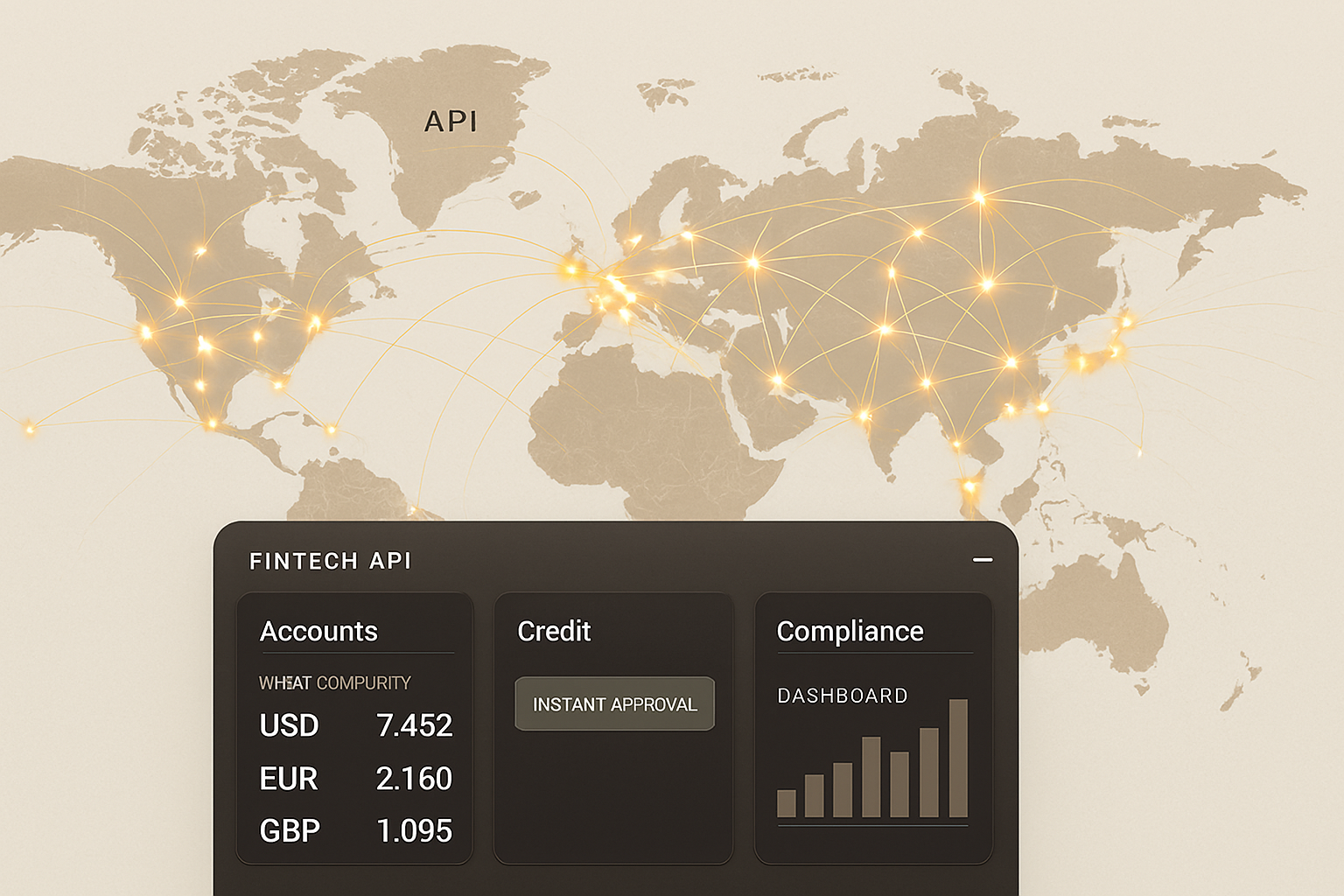
Global Bank-as-a-Service platforms are reshaping how financial products are built, launched, and scaled—bringing speed, flexibility, and compliance to the core of innovation.