
May 12, 2025
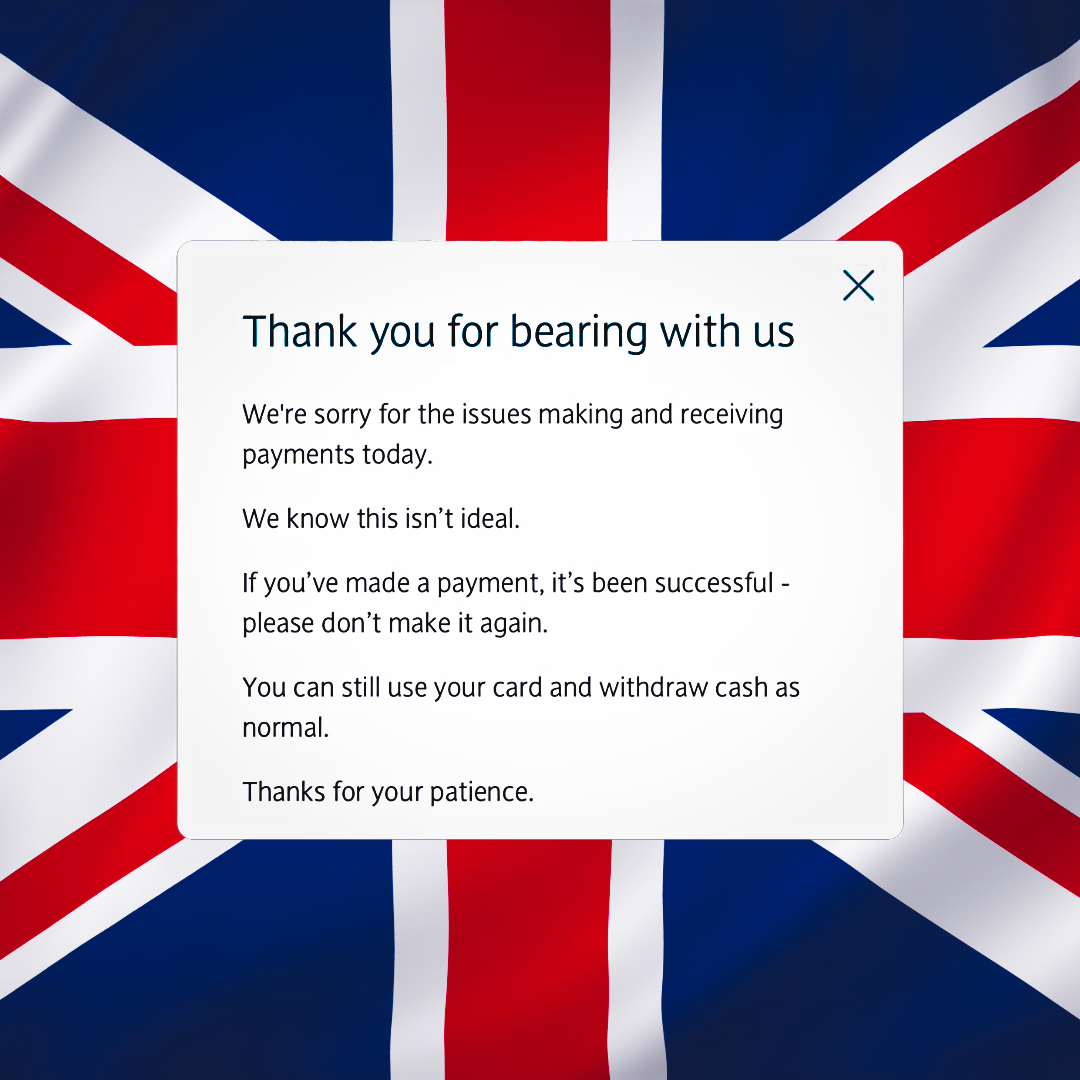
<h1 data-section-id="ye9od5" data-start="308" data-end="376">Banking Disruption: How Technology Is Reshaping Financial Services</h1> <p data-start="378" data-end="826">The global financial industry is undergoing a major transformation unlike anything seen before. Traditional banking models that dominated for decades are now facing rapid change driven by technology, digital finance, fintech innovation, and shifting consumer behavior. This ongoing transformation is widely described as banking disruption, a phenomenon that is reshaping how financial services are delivered, consumed, and managed across the world.</p> <p data-start="828" data-end="1296">Customers today expect banking experiences that are instant, digital, personalized, and available around the clock. Physical branches and lengthy paperwork are gradually being replaced by mobile banking applications, digital wallets, AI-powered support systems, and embedded financial services. At the same time, fintech companies and digital-first platforms are challenging traditional banks by offering faster, more convenient, and highly customer-centric solutions.</p> <p data-start="1298" data-end="1508">Banking disruption is not simply about replacing old technologies with new ones. It represents a complete shift in how financial institutions operate, compete, and create value in a digitally connected economy.</p> <p data-start="1510" data-end="1726">As innovation accelerates, banks are being forced to rethink their business models, technology infrastructure, and customer engagement strategies to remain relevant in an increasingly competitive financial landscape.</p> <h2 data-section-id="byip76" data-start="1728" data-end="1763">Understanding Banking Disruption</h2> <p data-start="1765" data-end="2087">Banking disruption refers to major changes within the financial industry caused by technological innovation, digital transformation, and evolving customer expectations. These disruptions often challenge traditional banking systems by introducing new ways of delivering financial services more efficiently and conveniently.</p> <p data-start="2089" data-end="2364">Historically, banks relied heavily on physical branches, manual operations, and centralized financial systems. However, advances in digital technology have enabled alternative financial models capable of operating faster and more flexibly than traditional banking structures.</p> <p data-start="2366" data-end="2448">Modern banking disruption is driven by several technologies and trends, including:</p> <ul data-start="2450" data-end="2656"> <li data-section-id="1vswvrv" data-start="2450" data-end="2477">Artificial intelligence</li> <li data-section-id="8ccrge" data-start="2478" data-end="2500">Fintech innovation</li> <li data-section-id="rwuxny" data-start="2501" data-end="2519">Mobile banking</li> <li data-section-id="tcx9ze" data-start="2520" data-end="2545">Blockchain technology</li> <li data-section-id="tuwmeh" data-start="2546" data-end="2565">Cloud computing</li> <li data-section-id="t1hgku" data-start="2566" data-end="2586">Embedded finance</li> <li data-section-id="tdkc2i" data-start="2587" data-end="2603">Open banking</li> <li data-section-id="2u1w77" data-start="2604" data-end="2626">Real-time payments</li> <li data-section-id="glj83h" data-start="2627" data-end="2656">Digital lending platforms</li> </ul> <p data-start="2658" data-end="2802">These innovations are transforming every aspect of the financial ecosystem, from payments and lending to wealth management and customer support.</p> <h2 data-section-id="5qyfeo" data-start="2804" data-end="2845">Why Banking Disruption Is Accelerating</h2> <p data-start="2847" data-end="2931">Several factors are contributing to the rapid growth of banking disruption globally.</p> <h3 data-section-id="x4sjze" data-start="2933" data-end="2967">Changing Consumer Expectations</h3> <p data-start="2969" data-end="3097">Modern consumers expect seamless digital experiences similar to those provided by technology companies and e-commerce platforms.</p> <p data-start="3099" data-end="3129">Customers increasingly demand:</p> <ul data-start="3131" data-end="3299"> <li data-section-id="8vkkai" data-start="3131" data-end="3151">Instant payments</li> <li data-section-id="qsklzt" data-start="3152" data-end="3176">Mobile-first banking</li> <li data-section-id="1liax9h" data-start="3177" data-end="3212">Personalized financial services</li> <li data-section-id="1uxe94x" data-start="3213" data-end="3247">Real-time transaction tracking</li> <li data-section-id="192yxyf" data-start="3248" data-end="3273">Faster loan approvals</li> <li data-section-id="1qtv04d" data-start="3274" data-end="3299">24/7 customer support</li> </ul> <p data-start="3301" data-end="3392">Traditional banking systems often struggle to meet these evolving expectations efficiently.</p> <h3 data-section-id="1gkd2ew" data-start="3394" data-end="3423">Rise of Fintech Companies</h3> <p data-start="3425" data-end="3559">Fintech firms have become major drivers of banking disruption by introducing innovative financial products and digital-first services.</p> <p data-start="3561" data-end="3729">Unlike traditional banks, fintech companies often operate with agile business models and modern technology infrastructure, allowing them to launch new services quickly.</p> <p data-start="3731" data-end="3825">Their focus on user experience and accessibility has attracted millions of customers globally.</p> <h3 data-section-id="14qmxn1" data-start="3827" data-end="3853">Digital Transformation</h3> <p data-start="3855" data-end="4027">Advancements in cloud computing, artificial intelligence, automation, and data analytics are enabling financial institutions to modernize operations and improve efficiency.</p> <p data-start="4029" data-end="4143">Banks are investing heavily in digital infrastructure to remain competitive in rapidly evolving financial markets.</p> <h3 data-section-id="1n81f14" data-start="4145" data-end="4173">Growth of Mobile Banking</h3> <p data-start="4175" data-end="4272">Smartphone adoption and internet accessibility have significantly expanded digital banking usage.</p> <p data-start="4274" data-end="4391">Consumers increasingly manage financial activities through mobile applications instead of visiting physical branches.</p> <p data-start="4393" data-end="4482">This shift has accelerated banking disruption across retail and business banking sectors.</p> <h2 data-section-id="fh0dxz" data-start="4484" data-end="4544">How Banking Disruption Is Transforming Financial Services</h2> <p data-start="4546" data-end="4625">Banking disruption is reshaping nearly every segment of the financial industry.</p> <h3 data-section-id="1hcrp32" data-start="4627" data-end="4658">Digital Payments Revolution</h3> <p data-start="4660" data-end="4756">One of the biggest impacts of banking disruption has been the transformation of payment systems.</p> <p data-start="4758" data-end="4910">Consumers and businesses now expect instant digital payments through mobile wallets, QR codes, contactless transactions, and real-time transfer systems.</p> <p data-start="4912" data-end="5006">Traditional payment methods involving cash and lengthy bank transfers are gradually declining.</p> <p data-start="5008" data-end="5085">Digital payment innovation has become central to modern financial ecosystems.</p> <h3 data-section-id="rbsmvn" data-start="5087" data-end="5107">Rise of Neobanks</h3> <p data-start="5109" data-end="5191">Digital-only banks, commonly known as neobanks, are becoming increasingly popular.</p> <p data-start="5193" data-end="5272">These institutions operate entirely online without traditional branch networks.</p> <p data-start="5274" data-end="5300">Neobanks focus heavily on:</p> <ul data-start="5302" data-end="5486"> <li data-section-id="po0tc3" data-start="5302" data-end="5332">Mobile banking experiences</li> <li data-section-id="v0r6hp" data-start="5333" data-end="5364">Low-cost financial services</li> <li data-section-id="vu06x6" data-start="5365" data-end="5391">Faster account opening</li> <li data-section-id="1k0xkz0" data-start="5392" data-end="5424">Personalized budgeting tools</li> <li data-section-id="7ok4zx" data-start="5425" data-end="5450">Instant notifications</li> <li data-section-id="917kpq" data-start="5451" data-end="5486">Simplified financial management</li> </ul> <p data-start="5488" data-end="5574">Their customer-centric approach is intensifying competition within the banking sector.</p> <h3 data-section-id="1aw249m" data-start="5576" data-end="5609">AI-Powered Financial Services</h3> <p data-start="5611" data-end="5713">Artificial intelligence is becoming one of the most important technologies driving banking disruption.</p> <p data-start="5715" data-end="5762">AI systems help financial institutions improve:</p> <ul data-start="5764" data-end="5898"> <li data-section-id="xpqen7" data-start="5764" data-end="5783">Fraud detection</li> <li data-section-id="1jdrkso" data-start="5784" data-end="5802">Credit scoring</li> <li data-section-id="1gxud7n" data-start="5803" data-end="5823">Customer support</li> <li data-section-id="eqpxbt" data-start="5824" data-end="5841">Risk analysis</li> <li data-section-id="1ruxqsb" data-start="5842" data-end="5871">Financial recommendations</li> <li data-section-id="1xk6y9b" data-start="5872" data-end="5898">Operational automation</li> </ul> <p data-start="5900" data-end="5987">Banks using AI effectively can deliver faster, smarter, and more personalized services.</p> <h3 data-section-id="1fvea61" data-start="5989" data-end="6019">Embedded Finance Expansion</h3> <p data-start="6021" data-end="6112">Financial services are increasingly being integrated directly into non-financial platforms.</p> <p data-start="6114" data-end="6286">Embedded finance allows businesses to offer payments, lending, insurance, and banking services within e-commerce applications, mobility platforms, and digital marketplaces.</p> <p data-start="6288" data-end="6354">This is changing how consumers access financial services entirely.</p> <h2 data-section-id="1q0fx1v" data-start="6356" data-end="6399">Banking Disruption and Traditional Banks</h2> <p data-start="6401" data-end="6511">Traditional banks are facing significant pressure from digital competitors and evolving customer expectations.</p> <h3 data-section-id="ggsz2c" data-start="6513" data-end="6549">Legacy Infrastructure Challenges</h3> <p data-start="6551" data-end="6676">Many established banks still rely on outdated technology systems that can limit innovation speed and operational flexibility.</p> <p data-start="6678" data-end="6775">Modernizing these systems often requires substantial investment and long-term strategic planning.</p> <h3 data-section-id="xvcwl0" data-start="6777" data-end="6808">Declining Branch Dependency</h3> <p data-start="6810" data-end="6921">Consumers are visiting physical bank branches less frequently as digital banking adoption continues increasing.</p> <p data-start="6923" data-end="7033">Banks are therefore investing more heavily in digital channels while rethinking branch-based operating models.</p> <h3 data-section-id="1kvvtyb" data-start="7035" data-end="7070">Partnerships With Fintech Firms</h3> <p data-start="7072" data-end="7215">Instead of competing directly with fintech companies, many traditional banks are now forming partnerships to accelerate digital transformation.</p> <p data-start="7217" data-end="7314">These collaborations help banks improve innovation capabilities while expanding digital services.</p> <h3 data-section-id="1srunox" data-start="7316" data-end="7348">Focus on Customer Experience</h3> <p data-start="7350" data-end="7445">Banks increasingly recognize that customer experience has become a major competitive advantage.</p> <p data-start="7447" data-end="7611">Financial institutions are investing heavily in mobile applications, AI-powered support systems, and personalized banking tools to improve engagement and retention.</p> <h2 data-section-id="1pt4mot" data-start="7613" data-end="7656">Challenges Created by Banking Disruption</h2> <p data-start="7658" data-end="7758">Although banking disruption creates innovation opportunities, it also introduces several challenges.</p> <h3 data-section-id="1grpeb3" data-start="7760" data-end="7783">Cybersecurity Risks</h3> <p data-start="7785" data-end="7857">Digital banking ecosystems face growing cybersecurity threats involving:</p> <ul data-start="7859" data-end="7949"> <li data-section-id="18vpd75" data-start="7859" data-end="7876">Data breaches</li> <li data-section-id="1slbt7a" data-start="7877" data-end="7894">Payment fraud</li> <li data-section-id="ve74b9" data-start="7895" data-end="7913">Identity theft</li> <li data-section-id="1g5i321" data-start="7914" data-end="7934">Phishing attacks</li> <li data-section-id="15665tx" data-start="7935" data-end="7949">Ransomware</li> </ul> <p data-start="7951" data-end="8054">Financial institutions must continuously strengthen security infrastructure to maintain customer trust.</p> <h3 data-section-id="159zwre" data-start="8056" data-end="8081">Regulatory Complexity</h3> <p data-start="8083" data-end="8166">Regulators worldwide are still adapting to rapidly changing financial technologies.</p> <p data-start="8168" data-end="8244">Banks and fintech companies must comply with evolving regulations involving:</p> <ul data-start="8246" data-end="8364"> <li data-section-id="1n961ry" data-start="8246" data-end="8262">Data privacy</li> <li data-section-id="nnybzp" data-start="8263" data-end="8286">Consumer protection</li> <li data-section-id="i32v2m" data-start="8287" data-end="8325">Anti-money laundering requirements</li> <li data-section-id="hwq5bv" data-start="8326" data-end="8346">Digital payments</li> <li data-section-id="14wxt8u" data-start="8347" data-end="8364">AI governance</li> </ul> <p data-start="8366" data-end="8429">Balancing innovation with compliance remains a major challenge.</p> <h3 data-section-id="1tt2icz" data-start="8431" data-end="8456">Increased Competition</h3> <p data-start="8458" data-end="8530">Banking disruption has intensified competition across financial markets.</p> <p data-start="8532" data-end="8683">Traditional banks now compete not only with other banks but also with fintech companies, technology firms, payment platforms, and digital marketplaces.</p> <p data-start="8685" data-end="8741">This creates pressure on profitability and market share.</p> <h3 data-section-id="1wovga3" data-start="8743" data-end="8771">Workforce Transformation</h3> <p data-start="8773" data-end="8862">Automation and digital transformation are changing workforce requirements within banking.</p> <p data-start="8864" data-end="8976">Financial institutions must focus on employee reskilling and technology adaptation as operational models evolve.</p> <h2 data-section-id="1apd0b6" data-start="8978" data-end="9023">Banking Disruption and Financial Inclusion</h2> <p data-start="9025" data-end="9113">One of the most positive outcomes of banking disruption is improved financial inclusion.</p> <p data-start="9115" data-end="9211">Digital financial platforms are helping underserved populations access banking services through:</p> <ul data-start="9213" data-end="9352"> <li data-section-id="blgu9z" data-start="9213" data-end="9244">Mobile banking applications</li> <li data-section-id="21m3za" data-start="9245" data-end="9264">Digital wallets</li> <li data-section-id="1loxpyu" data-start="9265" data-end="9292">Micro-lending solutions</li> <li data-section-id="bfuiye" data-start="9293" data-end="9321">Low-cost payment systems</li> <li data-section-id="1k5f83r" data-start="9322" data-end="9352">Alternative credit scoring</li> </ul> <p data-start="9354" data-end="9485">Millions of individuals who previously lacked access to formal banking systems can now participate in digital financial ecosystems.</p> <p data-start="9487" data-end="9559">This is creating broader economic opportunities across emerging markets.</p> <h2 data-section-id="1lqhzfn" data-start="9561" data-end="9596">The Future of Banking Disruption</h2> <p data-start="9598" data-end="9684">Banking disruption is expected to continue accelerating as technology evolves further.</p> <p data-start="9686" data-end="9758">Several trends are likely to shape the future of the financial industry.</p> <h3 data-section-id="1x4je9z" data-start="9760" data-end="9781">AI-Driven Banking</h3> <p data-start="9783" data-end="9918">Artificial intelligence will increasingly power customer interactions, fraud detection, financial analysis, and operational automation.</p> <h3 data-section-id="16tcfok" data-start="9920" data-end="9949">Expansion of Open Banking</h3> <p data-start="9951" data-end="10085">Open banking frameworks will encourage greater financial connectivity and personalized financial services through secure data sharing.</p> <h3 data-section-id="nflpbm" data-start="10087" data-end="10121">Real-Time Financial Ecosystems</h3> <p data-start="10123" data-end="10227">Instant payments and real-time financial services are expected to become standard across global markets.</p> <h3 data-section-id="k877ov" data-start="10229" data-end="10261">Decentralized Finance Growth</h3> <p data-start="10263" data-end="10371">Blockchain technology and decentralized finance models may further challenge traditional banking structures.</p> <h3 data-section-id="xwe30w" data-start="10373" data-end="10414">Hyper-Personalized Financial Services</h3> <p data-start="10416" data-end="10558">Banks and fintech platforms will increasingly use customer data and predictive analytics to deliver highly personalized financial experiences.</p> <h2 data-section-id="8dtpi" data-start="10560" data-end="10573">Conclusion</h2> <p data-start="10575" data-end="10918">Banking disruption is fundamentally transforming the financial industry by reshaping how banking services are delivered, accessed, and experienced. Technology-driven innovation, fintech competition, digital payments, and changing consumer expectations are pushing financial institutions toward faster and more customer-centric business models.</p> <p data-start="10920" data-end="11118">While banking disruption introduces challenges involving cybersecurity, regulation, and operational transformation, it also creates opportunities for innovation, efficiency, and financial inclusion.</p> <p data-start="11120" data-end="11211">The future of finance will likely be increasingly digital, intelligent, and interconnected.</p> <p data-start="11213" data-end="11393" data-is-last-node="" data-is-only-node="">Financial institutions that successfully embrace banking disruption and adapt to evolving market demands will be best positioned to thrive in the next generation of global banking.</p>
2 articles

Feb 27, 2025