TheFinRate
All Tags

BusinessFinance

34 articlesPage 2 of 4

"Merchant Accounts vs. Payment Gateways: What's the Difference?"

"Merchant Accounts vs. Payment Gateways: What's the Difference?"

Merchant accounts and payment gateways are essential components of online transactions. While they work together to facilitate payments, they serve distinct purposes. This article explores their differences, helping businesses choose the right solution for their payment processing needs.

UK Government Targets New Laws to Address Late Payments

UK Government Targets New Laws to Address Late Payments

The UK government plans to tackle late payments by introducing new laws to protect small businesses. The initiative aims to shorten payment times, with stricter rules and penalties for delayed payments. This move could improve cash flow and stability for SMEs across the country, boosting overall business confidence.

"What is a Merchant Account and Why Does Your Business Need One?"

"What is a Merchant Account and Why Does Your Business Need One?"

A merchant account is a crucial financial service that enables businesses to accept payments via credit and debit cards. This article explores what a merchant account is, its importance for businesses, and how it can enhance customer experience and operational efficiency.

Top Payment Gateways for Marketplace Platforms

Top Payment Gateways for Marketplace Platforms

Choosing the right payment gateway is crucial for marketplace platforms to ensure seamless transactions and enhanced user experience. This guide explores top payment gateways, highlighting their features, benefits, and how they cater to different marketplace needs.

Capchase Teams Up with Stripe for B2B BNPL Payments

Capchase Teams Up with Stripe for B2B BNPL Payments

Capchase has partnered with Stripe to introduce a Buy Now, Pay Later (BNPL) option for B2B transactions. This collaboration aims to streamline payment solutions, offering flexibility and improved cash flow for businesses.

Local Payment Gateways vs. Global Payment Gateways: Pros and Cons

Local Payment Gateways vs. Global Payment Gateways: Pros and Cons

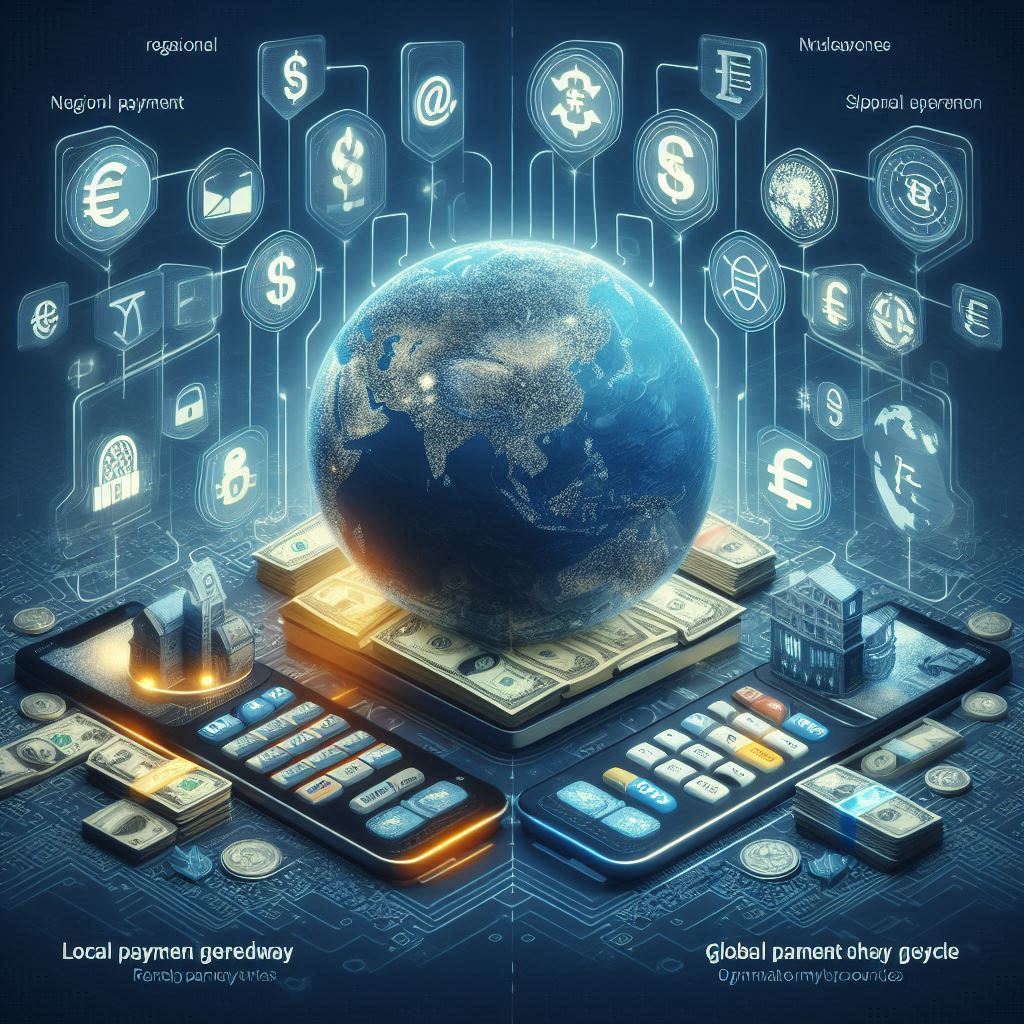
Local and global payment gateways each have unique advantages and challenges. Local gateways offer regional expertise and tailored solutions, while global gateways provide broader reach and advanced features. This article explores the pros and cons of both, helping businesses make informed decisions on payment processing solutions.

Payment Gateway Comparison: Stripe vs. PayPal vs. Square

Payment Gateway Comparison: Stripe vs. PayPal vs. Square

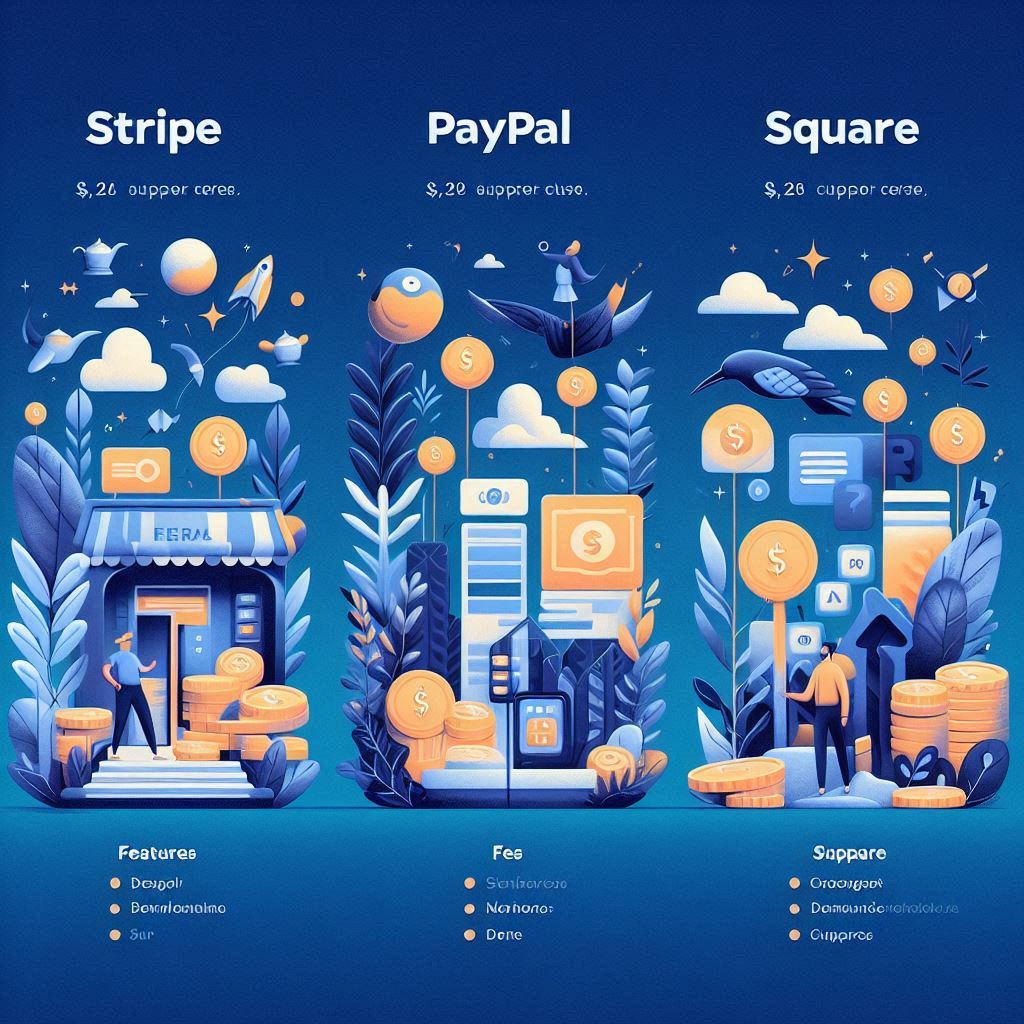
When choosing a payment gateway, businesses often consider Stripe, PayPal, and Square. Each has unique features, fees, and benefits. This article compares these three options, highlighting their strengths and weaknesses to help you select the best fit for your needs.

Allica Bank Ventures into Bridge Finance with Tuscan Capital Acquisition

Allica Bank Ventures into Bridge Finance with Tuscan Capital Acquisition

Allica Bank has entered the bridge finance market by acquiring Tuscan Capital, a specialist short-term property lender. This move aligns with Allica’s strategy to diversify its offerings and strengthen its position in the UK market, providing more tailored financial solutions for SMEs and expanding its services into property financing.

How to Choose Between Different Payment Gateway Providers

How to Choose Between Different Payment Gateway Providers

Selecting a payment gateway provider requires careful consideration of transaction fees, security features, integration, user experience, and global capabilities. Thorough research and testing will help you choose the best option for your business needs.

What is the difference between a payment gateway and a payment processor?

What is the difference between a payment gateway and a payment processor?

Payment gateways capture and encrypt customer payment data, facilitating authorization, while payment processors manage the transaction, handling fund transfers between banks. Both are crucial for secure and efficient online transactions. Understanding their distinct roles helps businesses optimize their payment systems for better customer experiences and operational efficiency.