
Jul 31, 2024
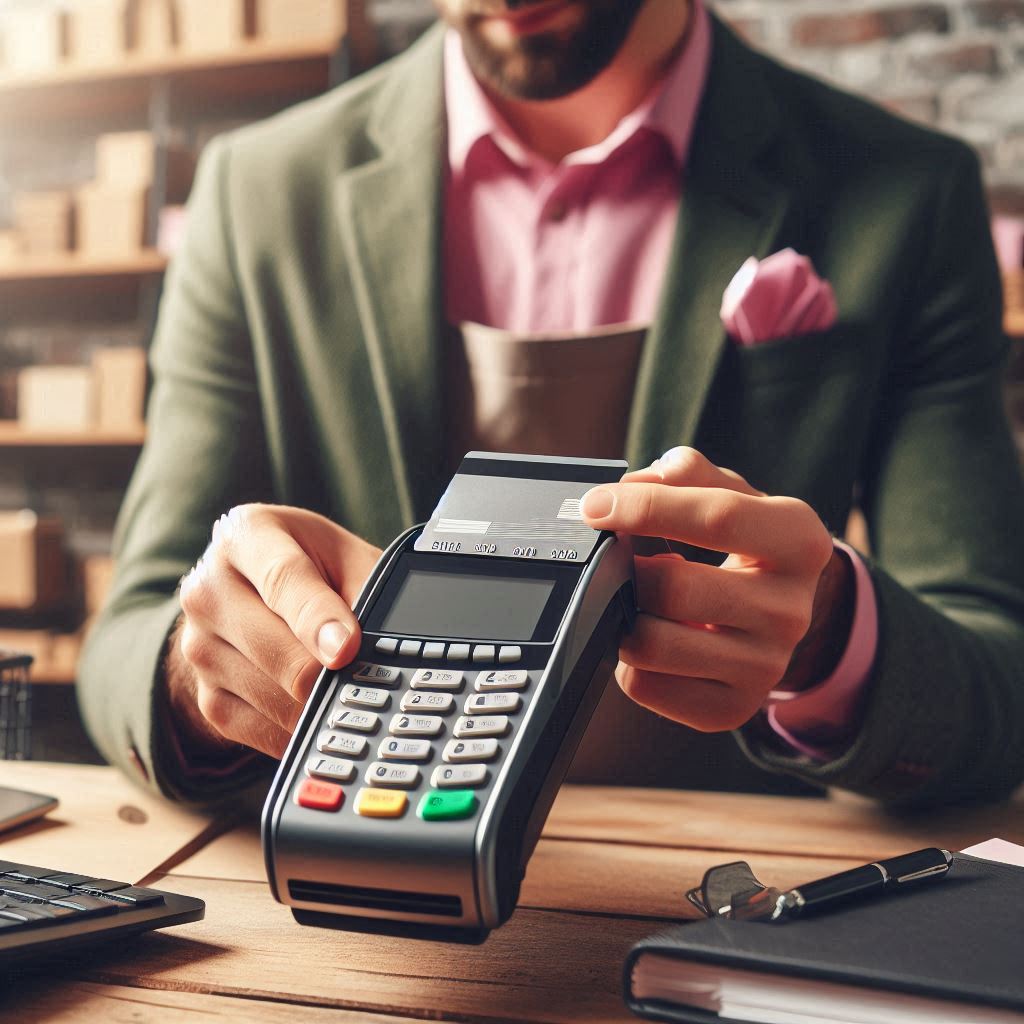
A <strong>merchant account</strong> is an essential financial tool that allows businesses to accept payments from customers, particularly through <strong>credit cards</strong>, <strong>debit cards</strong>, and <strong>electronic transactions</strong>. At <strong>The Fin Rate</strong>, we explore what a merchant account means for businesses of all sizes and how it plays a crucial role in modern payment processing systems. Understanding this concept is vital for any business looking to streamline its payment options and grow its revenue. At its core, a merchant account serves as a contract between a business and a <strong>merchant service provider</strong>. This account acts as a holding space where funds from customer payments are temporarily placed before being transferred to the business’s main bank account. Whether you run an online store, a retail shop, or a service-based business, a merchant account enables you to receive payments quickly and securely from a variety of payment methods. Merchant accounts are particularly beneficial for businesses that need to process a high volume of <strong>credit card transactions</strong>. Without a merchant account, businesses would be limited to accepting cash, checks, or <strong>bank transfers</strong>, which are often less convenient for customers. By allowing businesses to accept <strong>Visa</strong>, <strong>MasterCard</strong>, <strong>American Express</strong>, and other major credit cards, a merchant account significantly enhances a business's ability to serve its customers. One important feature of a merchant account is its ability to handle <strong>payment processing</strong> through a <strong>payment gateway</strong> or <strong>point-of-sale (POS)</strong> system. The payment gateway acts as an intermediary between the customer’s bank and the merchant’s account, securely transferring payment data and ensuring that the transaction is processed accurately. Many merchant service providers offer <strong>integrated payment solutions</strong> that work seamlessly with <strong>eCommerce platforms</strong> and in-store POS systems, making it easier for businesses to manage both online and in-person transactions. However, there are various types of merchant accounts, and not all are created equal. Depending on the nature of your business, you may need a specialized type of merchant account. For example, <strong>high-risk businesses</strong> (such as those in industries like adult entertainment, online gambling, or CBD products) may face higher fees and more stringent terms due to the increased risk of chargebacks and fraud. Similarly, <strong>international businesses</strong> often need merchant accounts that support <strong>multi-currency transactions</strong> and handle cross-border payments. When setting up a merchant account, businesses should be aware of the <strong>fees</strong> involved. Common fees include <strong>transaction fees</strong>, which are usually a small percentage of each sale, and <strong>monthly fees</strong> for account maintenance. Some providers also charge <strong>setup fees</strong>, <strong>chargeback fees</strong>, and <strong>PCI compliance fees</strong>. At <strong>The Fin Rate</strong>, we offer a comparison of different merchant service providers to help businesses find the most affordable option with the least amount of hidden costs. Security is another key consideration for businesses using a merchant account. Merchant service providers must comply with <strong>PCI DSS (Payment Card Industry Data Security Standard)</strong> requirements to protect customer payment information. Choosing a provider that offers strong <strong>encryption</strong>, <strong>tokenization</strong>, and <strong>fraud detection tools</strong> is critical to ensuring the safety of both your business and your customers. In conclusion, a <strong>merchant account</strong> is an indispensable tool for businesses that want to accept <strong>cashless payments</strong>. By providing the infrastructure needed for secure, efficient payment processing, a merchant account helps businesses improve their cash flow, reduce transaction times, and enhance customer satisfaction. At <strong>The Fin Rate</strong>, we offer comprehensive guides and resources to help businesses understand merchant accounts and choose the right provider for their needs.
1 article
Jul 31, 2024