TheFinRate
All Tags

MerchantServices

86 articlesPage 4 of 9

What are the differences between B2B and B2C payment gateways?

What are the differences between B2B and B2C payment gateways?

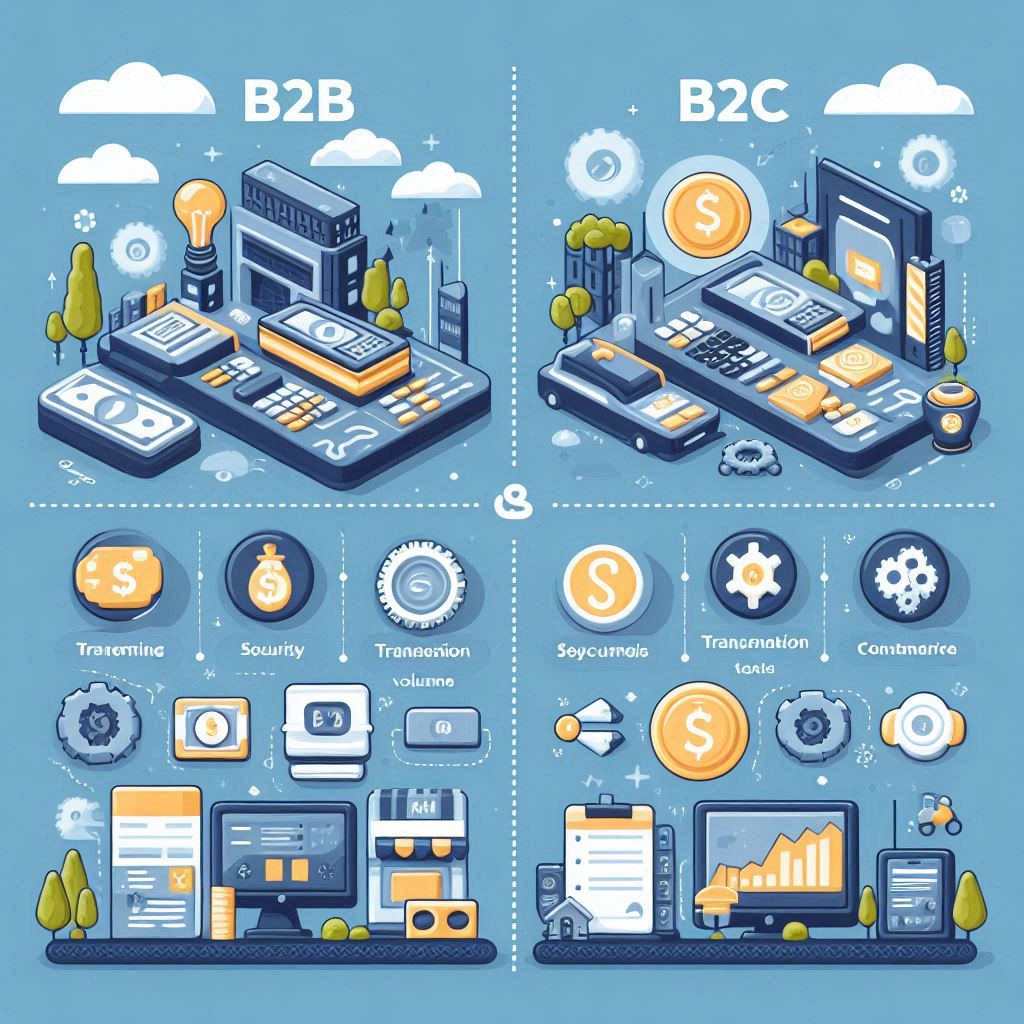
B2B and B2C payment gateways differ significantly in transaction volume, security requirements, payment methods supported, and customization needs. While B2B gateways prioritize handling large transactions and integrating with business systems, B2C gateways focus on speed and convenience, catering to consumer payment preferences for a seamless shopping experience.
What are the benefits of using a local payment gateway?

What are the benefits of using a local payment gateway?

Local payment gateways offer benefits such as increased customer trust, faster transactions, lower fees, and localized support. They enhance regional compliance and integration, providing tailored payment solutions that cater to specific market needs.

How do I switch payment gateway providers?

How do I switch payment gateway providers?

Switching payment gateway providers involves careful planning, from assessing current needs to transitioning and optimizing the new system. By following these steps, businesses can enhance transaction efficiency, reduce costs, and improve customer experience with minimal disruption.

How do payment gateways handle tax calculations?

How do payment gateways handle tax calculations?

Payment gateways handle tax calculations through integration with tax engines, ensuring real-time, accurate tax amounts and compliance with various regulations. Challenges include managing complex tax laws and multiple jurisdictions, but future advancements in AI and blockchain technology are set to enhance accuracy and efficiency.

What is the process for upgrading my payment gateway service?

What is the process for upgrading my payment gateway service?

Upgrading your payment gateway involves assessing needs, selecting a new provider, reviewing contract terms, integrating the system, updating documentation, and monitoring performance. Following these steps ensures a smooth transition and enhances your payment processing capabilities.

How to Choose Between Different Payment Gateway Providers

How to Choose Between Different Payment Gateway Providers

Selecting a payment gateway provider requires careful consideration of transaction fees, security features, integration, user experience, and global capabilities. Thorough research and testing will help you choose the best option for your business needs.

What are the legal requirements for setting up a payment gateway

What are the legal requirements for setting up a payment gateway

Common payment gateway issues like transaction failures, security concerns, and integration errors can significantly impact business operations. Fixes include optimizing gateway settings, enhancing security protocols, and ensuring seamless integration. Regular monitoring and updates are crucial to maintaining efficiency and reducing downtime.

How do payment gateways work with subscription-based services?

How do payment gateways work with subscription-based services?

Payment gateways are crucial for subscription-based services, managing recurring payments, ensuring security, and accommodating plan changes. They provide businesses with the tools needed to optimize revenue and enhance customer satisfaction through automation and analytics.

What support options should I expect from a payment gateway provider?

What support options should I expect from a payment gateway provider?

When choosing a payment gateway provider, expect comprehensive support options that cover technical, security, customer service, and integration needs. Key elements include 24/7 technical support, security and compliance assistance, integration help, and robust reporting tools. Ensuring these support options will enhance your business's payment processing experience and overall efficiency.

What is the difference between a payment gateway and a payment processor?

What is the difference between a payment gateway and a payment processor?

Payment gateways capture and encrypt customer payment data, facilitating authorization, while payment processors manage the transaction, handling fund transfers between banks. Both are crucial for secure and efficient online transactions. Understanding their distinct roles helps businesses optimize their payment systems for better customer experiences and operational efficiency.