
Jul 14, 2026
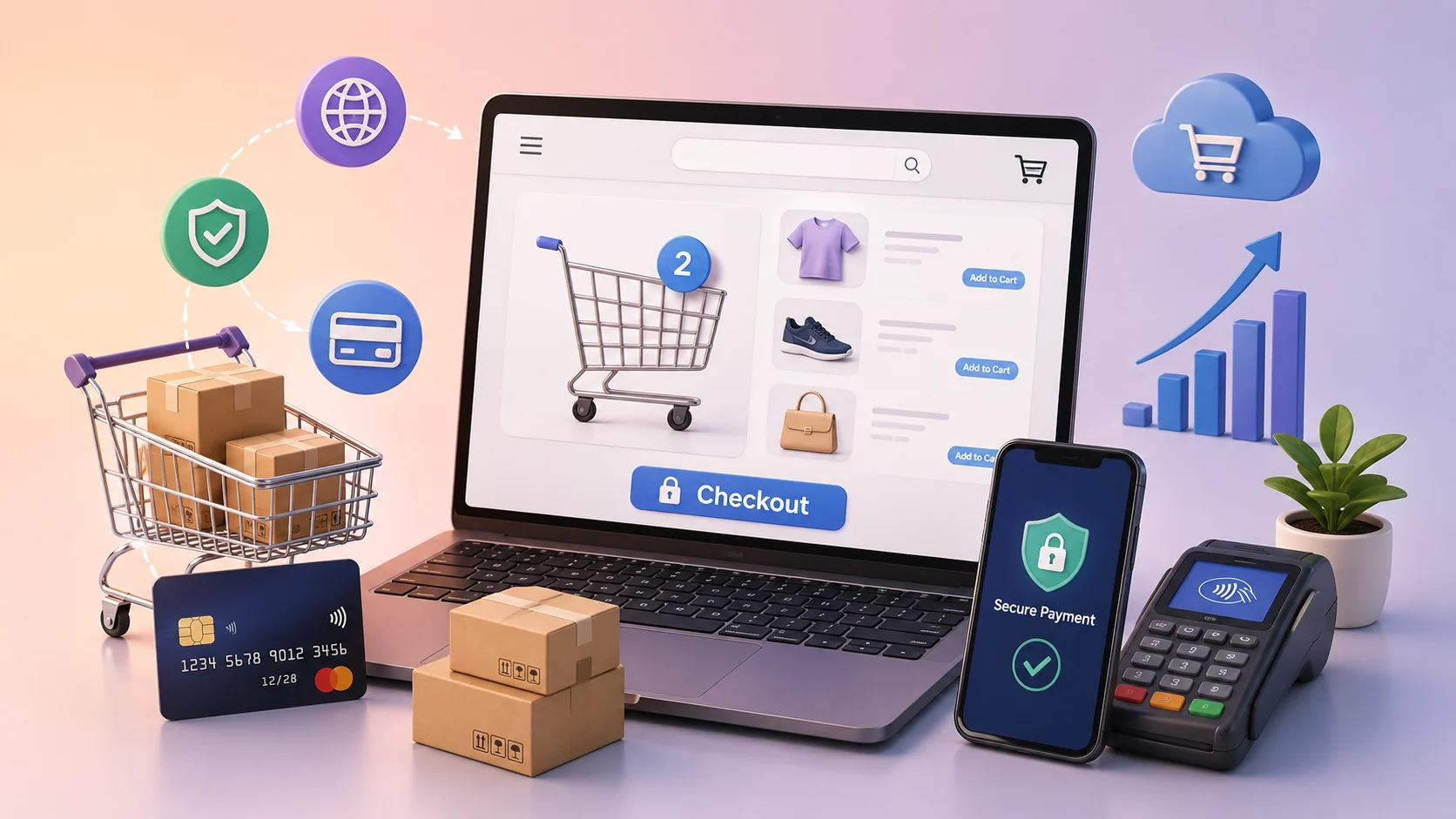
In today's digital economy, <strong>payment gateway integration</strong> is essential for businesses seeking to provide a smooth and efficient transaction experience for their customers. A well-integrated payment gateway allows for secure online payments, ensuring that customer data is protected while simplifying the payment process. At <strong>TheFinRate</strong>, we explore the critical aspects of payment gateway integration and provide insights into how to implement it effectively for your business. The first step in <strong>payment gateway integration</strong> is selecting the right payment gateway provider. Factors to consider include the fees associated with transactions, the range of payment methods supported, and the compatibility of the gateway with your existing website or e-commerce platform. Popular providers like <strong>PayPal</strong>, <strong>Stripe</strong>, and <strong>Square</strong> offer extensive features and support a variety of payment options, making them excellent choices for businesses of all sizes. Once you've chosen a provider, the next phase is to integrate the payment gateway with your website or app. Most payment gateways offer APIs and SDKs that simplify the integration process. If you have a technical background, you can handle the integration yourself by following the provider's documentation. This typically involves creating API keys, configuring settings, and embedding the necessary code into your website or app. For businesses without technical expertise, many payment gateways provide plugins for popular e-commerce platforms like <strong>Shopify</strong>, <strong>WooCommerce</strong>, and <strong>Magento</strong>. These plugins facilitate seamless integration, allowing you to set up your payment gateway with minimal technical knowledge. Choosing a plugin that is compatible with your platform ensures that you can accept payments without any hassle. Security is paramount in the realm of online transactions, and ensuring that your <strong>payment gateway integration</strong> is secure is crucial. Implementing SSL (Secure Socket Layer) encryption is essential for protecting sensitive customer information during transactions. Additionally, consider adopting tokenization, a method that replaces sensitive data with unique identification symbols, further securing the payment process. Ensuring PCI (Payment Card Industry) compliance is also vital for maintaining security standards in your payment processes. User experience plays a significant role in successful <strong>payment gateway integration</strong>. An optimized checkout process can significantly reduce cart abandonment rates and improve overall customer satisfaction. Streamlining the payment experience by minimizing the number of steps required to complete a transaction and offering guest checkout options can enhance the user experience. Providing multiple payment options, such as credit cards, digital wallets, and buy now, pay later services, allows customers to choose their preferred method, making them more likely to complete a purchase. After the integration is complete, it's essential to test the payment gateway thoroughly to ensure that it works seamlessly. Conducting test transactions and troubleshooting any issues that arise is critical for a smooth launch. Regular monitoring of the payment process post-integration is also necessary to address any problems quickly, ensuring that your customers enjoy a reliable payment experience. In summary, <strong>payment gateway integration</strong> is a vital component of modern business operations. Selecting the right provider, ensuring security, optimizing the user experience, and thoroughly testing the integration process are all essential steps for successful implementation. At <strong>TheFinRate</strong>, we aim to empower businesses with the knowledge needed to navigate the complexities of payment gateway integration, enhancing transaction efficiency and customer satisfaction.
12 articlesPage 1 of 2

Jun 9, 2025
This comprehensive guide covers everything about payment gateways — from how they work to choosing the best provider for your business in 2025. Learn about key features, integration steps, top platforms, pricing models, and future trends to stay ahead in the digital payment space.
Dec 9, 2024
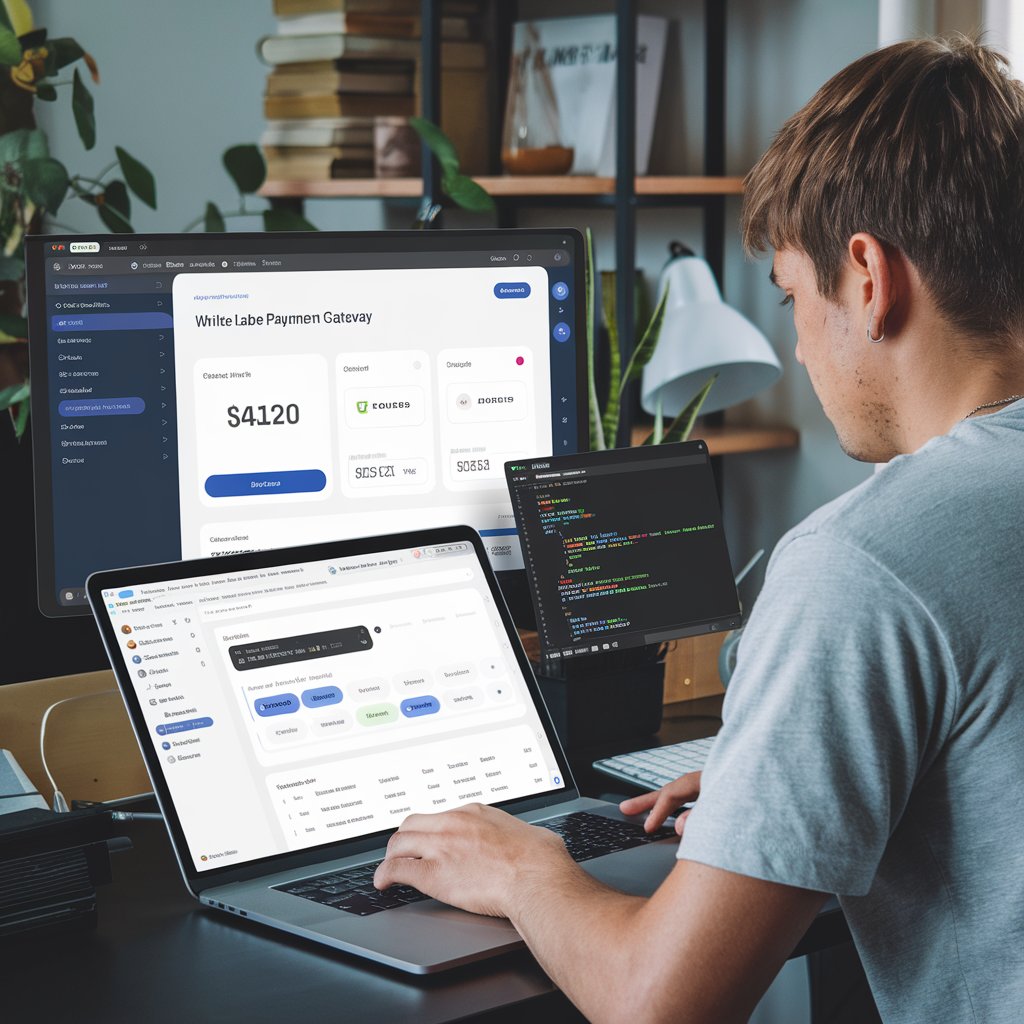
This page provides a step-by-step guide to integrating a white-label payment gateway, covering key aspects such as API integration, customization, security protocols, and compliance requirements. It highlights the benefits of streamlined integration for businesses seeking scalable and secure payment processing solutions

Oct 3, 2024
This article explores how businesses can drive innovation and stay ahead in the digital payment space with white label payment gateways.

Jul 1, 2024
This page offers a comprehensive review of SoarPay, focusing on its key features, pricing, and services for high-risk merchants. It provides a detailed analysis of its pros and cons, suitability for various business types, and customer feedback, helping businesses make informed decisions about SoarPay as a payment solution provider.

Jul 1, 2024
This page provides a comprehensive review of CorePay, covering its services, pricing structure, and suitability for high-risk merchants. The analysis highlights CorePay’s features, customer feedback, and its effectiveness as a payment service provider, helping businesses make informed decisions when choosing a payment gateway.

Jul 1, 2024
This in-depth analysis investigates the safety and security of CorePay as a payment service provider. The page reviews CorePay’s adherence to industry standards, data protection measures, and overall trustworthiness, helping businesses, particularly those in high-risk industries, evaluate if CorePay is a secure and reliable payment solution for their needs.

Jun 28, 2024
This in-depth analysis reviews PaymentCloud, covering its services, pricing structure, and suitability for high-risk merchants. The page provides insights into PaymentCloud's features, customer experiences, and overall effectiveness as a payment service provider, helping businesses evaluate whether PaymentCloud is the right choice for their payment processing needs.

Feb 16, 2024
high-risk merchant accounts are specialized financial instruments designed to accommodate businesses operating in industries with inherently higher levels of risk. Unlike standard merchant accounts, which cater to businesses with lower risk profiles, high-risk merchant accounts are equipped with features and safeguards tailored to mitigate the unique risks faced by certain industries.