TheFinRate
All Tags

PaymentProcessing

182 articlesPage 10 of 19

What are the differences between B2B and B2C payment gateways?

What are the differences between B2B and B2C payment gateways?

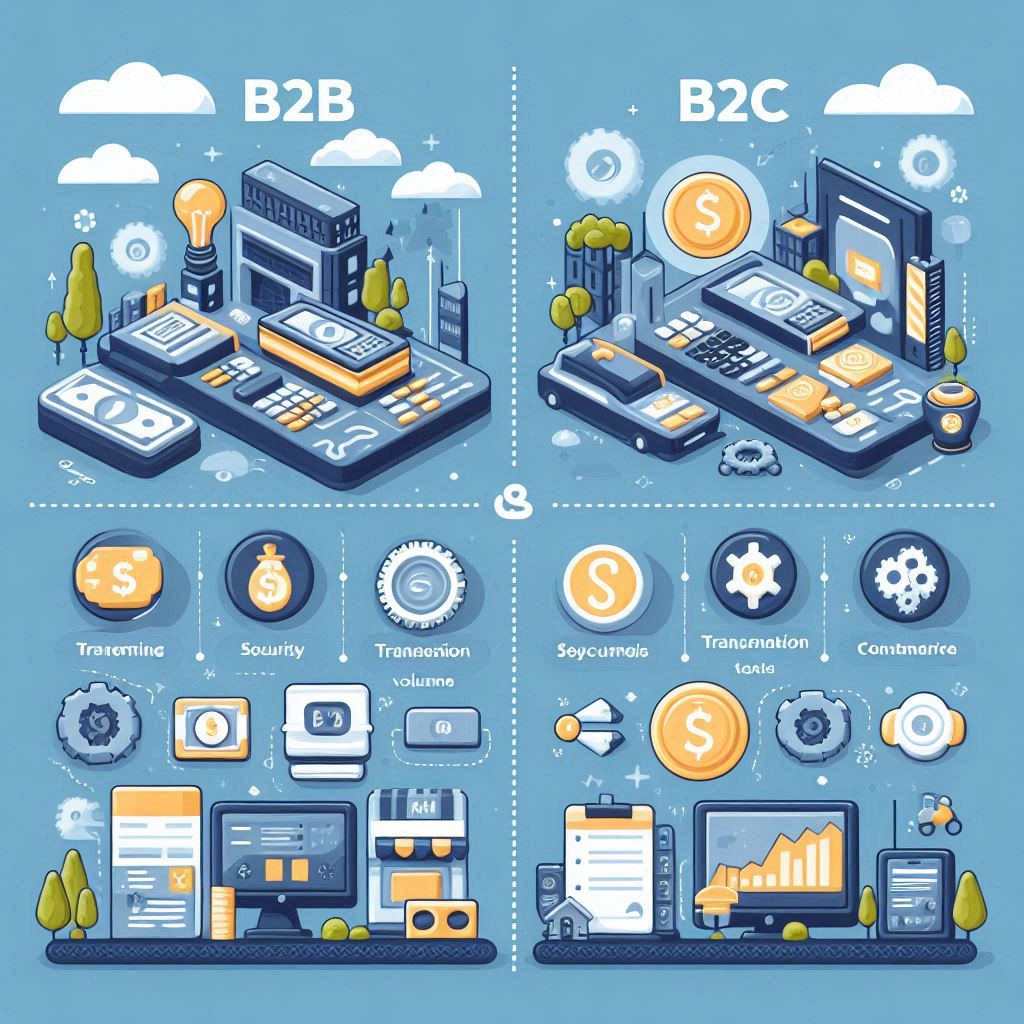
B2B and B2C payment gateways differ significantly in transaction volume, security requirements, payment methods supported, and customization needs. While B2B gateways prioritize handling large transactions and integrating with business systems, B2C gateways focus on speed and convenience, catering to consumer payment preferences for a seamless shopping experience.

How do I handle disputes through my payment gateway?

How do I handle disputes through my payment gateway?

Effective dispute handling through your payment gateway requires understanding dispute types, choosing a suitable gateway, setting up a robust management system, and preventing future issues. Utilize technology and collaborate with your processor to streamline the process.

How can I offer one-click payments with my payment gateway?

How can I offer one-click payments with my payment gateway?

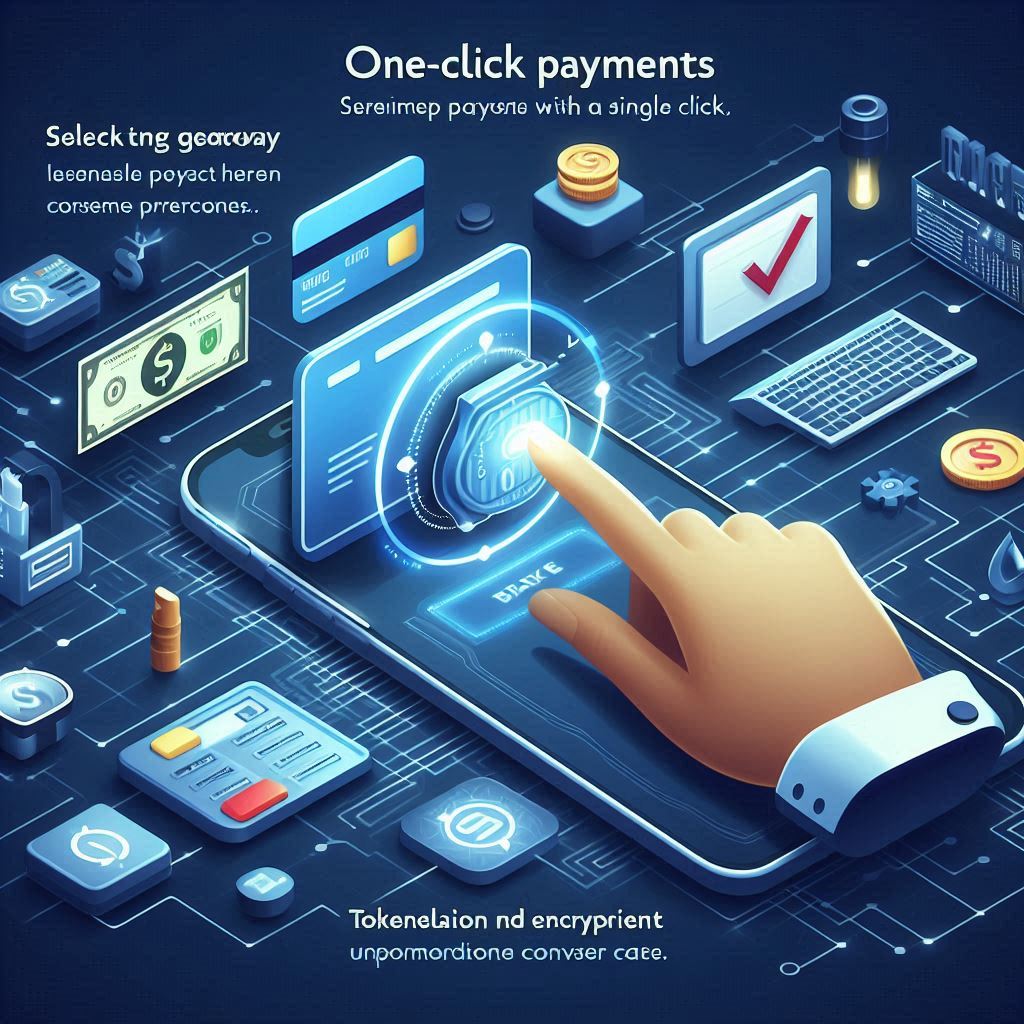
One-click payments streamline transactions by allowing users to complete purchases with a single click, enhancing convenience and boosting conversion rates. Implementing this feature involves selecting the right gateway, ensuring security through tokenization and encryption, and optimizing the user experience.

What should I consider when expanding my payment gateway for global sales?

What should I consider when expanding my payment gateway for global sales?

Expanding a payment gateway for global sales involves understanding regional payment preferences, ensuring regulatory compliance, supporting multiple currencies, implementing robust security measures, integrating with local systems, and offering excellent customer support. These factors are essential for seamless international transactions and business growth.

How do I track and reconcile transactions from my payment gateway?

How do I track and reconcile transactions from my payment gateway?

Tracking and reconciling transactions from your payment gateway is essential for financial accuracy and operational efficiency. Utilize your gateway’s reporting features, set up automated monitoring, and regularly reconcile with bank statements. Implementing internal controls, using reconciliation tools, and addressing disputes will enhance transaction management and prevent discrepancies.

What are the most common payment gateway errors and how do I resolve them?

What are the most common payment gateway errors and how do I resolve them?

Common payment gateway errors include transaction declines, connection issues, and API integration problems. Resolving these requires careful verification of payment details, monitoring system status, and updating configurations. Effective error management ensures smoother transactions and improved customer experience.

How do payment gateways integrate with point-of-sale (POS) systems?

How do payment gateways integrate with point-of-sale (POS) systems?

Integrating payment gateways with POS systems streamlines transactions, enhances efficiency, and improves customer experiences. By using APIs, SDKs, and direct integrations, businesses ensure secure and real-time processing, though technical challenges and compliance issues must be managed.

What are the benefits of using a local payment gateway?

What are the benefits of using a local payment gateway?

Local payment gateways offer benefits such as increased customer trust, faster transactions, lower fees, and localized support. They enhance regional compliance and integration, providing tailored payment solutions that cater to specific market needs.

How do I switch payment gateway providers?

How do I switch payment gateway providers?

Switching payment gateway providers involves careful planning, from assessing current needs to transitioning and optimizing the new system. By following these steps, businesses can enhance transaction efficiency, reduce costs, and improve customer experience with minimal disruption.

What documentation do I need to provide to set up a payment gateway?

What documentation do I need to provide to set up a payment gateway?

To set up a payment gateway, businesses must provide a range of documents, including business licenses, financial statements, personal identification, and compliance certificates. These documents ensure the legitimacy and financial stability of the business, enabling secure and efficient online transactions.