
Oct 20, 2026

<ul> <li>White-label banking solutions are revolutionizing how businesses offer financial services. By utilizing pre-built, customizable banking infrastructure, companies can quickly deploy branded banking products to their customers. This solution is particularly useful for fintech startups, established businesses, or even traditional banks that want to provide a digital banking experience without developing the underlying systems. White-label banking platforms handle everything from account creation and management to transactions, payments, and security. These platforms are fully customizable, allowing businesses to tailor the user interface, branding, and service offerings to match their company's identity. White-label banking solutions come pre-compliant with regulatory standards, making it easier for businesses to meet industry requirements without investing heavily in compliance teams. By choosing white-label banking, businesses can focus on their core strengths, leaving the technical side of banking services to experts. The ability to scale these solutions also means that as the business grows, the platform can evolve to handle larger volumes of customers and transactions. Whether you're looking to provide digital wallets, savings accounts, or full-fledged banking services, white-label banking makes it possible to offer these solutions with minimal development overhead.</li> </ul>
3 articles
Sep 19, 2024
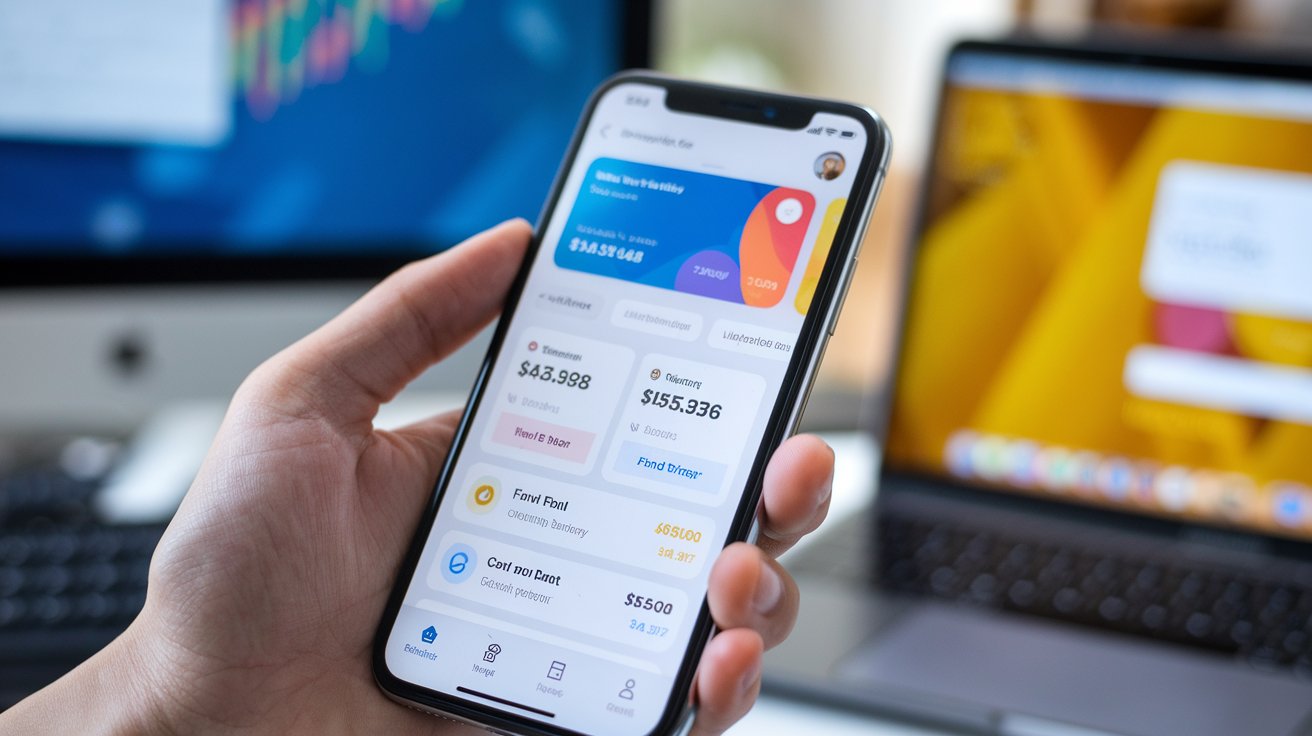
In 2024, white label mobile banking solutions with ready-to-launch source code are transforming the fintech industry. These solutions enable businesses to quickly deploy customizable banking apps without the need for heavy infrastructure investment. This guide explores key features like scalability, source code flexibility, and comprehensive banking functionalities, helping financial institutions and fintech startups stay competitive.
Sep 16, 2024
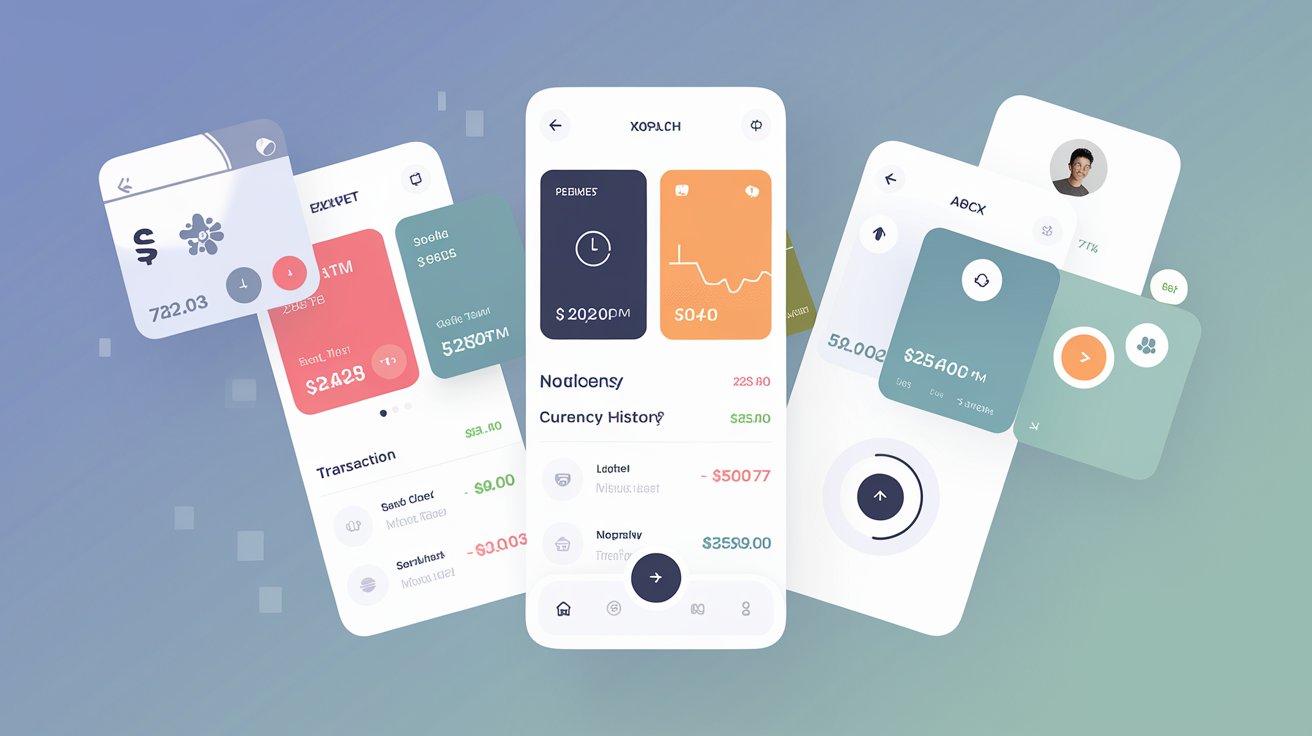
This article delves into how white label banking apps are helping financial institutions expand their market reach by addressing unbanked populations and promoting financial inclusion, particularly in emerging markets. It also discusses how modular APIs, multi-currency support, and seamless UX/UI design contribute to these efforts