
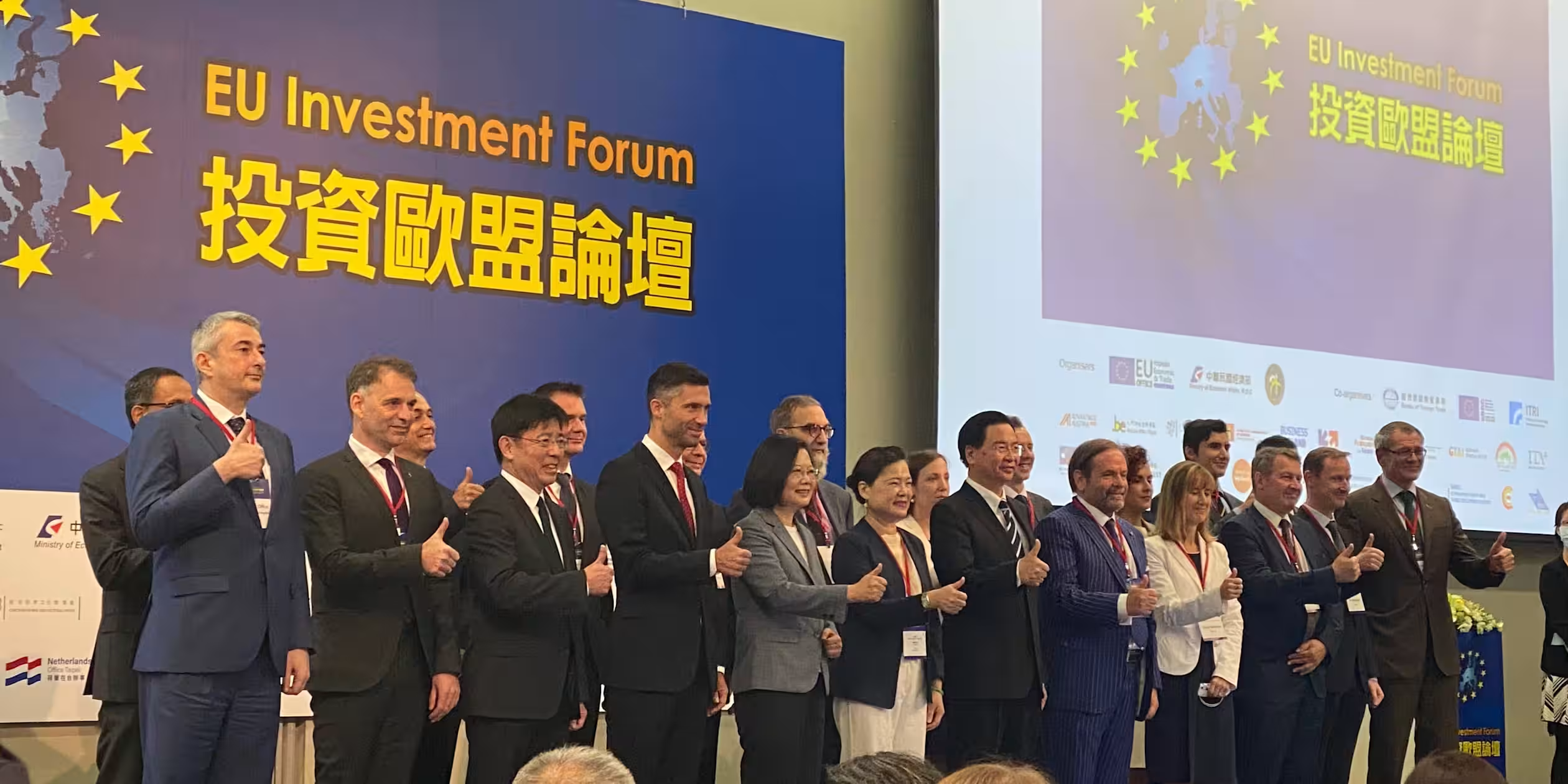
EU Taiwan investment exposure raises strategic concerns
The growing EU Taiwan investment exposure has become a major topic among policymakers and financial analysts as Europe assesses economic risks linked to trade, technology, and global supply chains.
Moreover, estimates suggest that European businesses and investors have significant financial interests connected to Taiwan and its technology ecosystem. As a result, any disruption involving the region could have broad economic consequences for Europe.
Furthermore, the issue highlights the increasing importance of supply chain resilience and strategic economic planning.
Technology Sector Drives Economic Dependence
A key part of EU Taiwan investment exposure is connected to the semiconductor and technology industries.
Several important areas include:
- Semiconductor production
- Technology supply chains
- Electronics manufacturing
- Industrial innovation
- Global trade networks
Moreover, Taiwan plays a critical role in global technology production. Because European industries depend on advanced chips and electronic components, economic links remain strong.
Furthermore, technology partnerships continue supporting business growth.
European businesses rely on Taiwan connections
The discussion surrounding EU Taiwan investment exposure reflects the close relationship between European companies and Taiwanese industries.
Moreover, many European firms depend on suppliers, manufacturing partners, and technology providers based in Taiwan. Because global supply chains are highly interconnected, disruptions can affect production and investment decisions.
In addition, trade relationships continue expanding.
Furthermore, businesses remain focused on operational stability.
Supply Chain Risks Gain Attention
The growing EU Taiwan investment exposure has increased awareness of supply chain vulnerabilities.
Several concerns include:
- Production disruptions
- Component shortages
- Trade uncertainties
- Economic instability
- Rising operational costs
Moreover, recent global events have encouraged governments and businesses to review supply chain resilience. Because economic disruptions can spread quickly across markets, risk management remains important.
Furthermore, diversification strategies continue attracting attention.
Technology industry remains central
The importance of EU Taiwan investment exposure is closely linked to the global technology sector.
Moreover, Taiwan remains one of the world’s leading centers for semiconductor manufacturing. Because modern industries depend heavily on advanced chips, technology supply chains have become strategically important.
In addition, demand for semiconductors continues increasing.
Furthermore, digital transformation is driving long-term growth.
Comparison between diversified and concentrated supply chains
| Feature | Diversified Supply Chains | Concentrated Supply Chains |
|---|---|---|
| Risk Level | Lower | Higher |
| Flexibility | Greater | Limited |
| Supply Stability | Stronger | More Vulnerable |
| Cost Efficiency | Moderate | Potentially Higher |
| Resilience | Better | Weaker |
Moreover, this comparison helps explain why supply chain diversification remains a major policy objective.
European Policymakers Review Strategic Risks
The continued focus on EU Taiwan investment exposure is shaping economic and policy discussions across Europe.
Moreover, policymakers are evaluating how to balance economic opportunities with risk management. Because strategic industries are becoming increasingly important, governments continue reviewing long-term approaches.
In addition, investment security remains a key consideration.
Furthermore, economic resilience is gaining importance.
European companies seek greater resilience
The debate around EU Taiwan investment exposure has encouraged businesses to strengthen resilience strategies.
Several actions being considered include:
- Supply chain diversification
- Alternative sourcing options
- Technology investment
- Risk management improvements
- Strategic partnerships
Moreover, businesses continue adapting to changing global conditions. Because resilience can reduce operational disruptions, many firms are reviewing long-term plans.
Furthermore, investment decisions increasingly consider geopolitical factors.
Global trade dynamics continue evolving
The issue of EU Taiwan investment exposure reflects broader changes in global trade and investment patterns.
Moreover, countries and businesses are reassessing economic dependencies and strategic relationships. Because international markets remain interconnected, developments in one region can affect economies worldwide.
In addition, technology remains central to global growth.
Furthermore, economic cooperation continues to play a significant role.
Future Outlook for Europe and Taiwan Relations
The future of EU Taiwan investment exposure will depend on trade relations, technology demand, and supply chain developments.
Moreover, Europe is expected to continue strengthening resilience while maintaining important economic ties. Because technological innovation remains essential for growth, cooperation with key global partners will likely continue.
In addition, diversification efforts may expand.
Furthermore, policymakers will continue monitoring risks and opportunities.
Final Thoughts
The growing EU Taiwan investment exposure highlights the importance of technology, trade, and global supply chains in today’s economy.
Moreover, strong economic links provide opportunities for growth while also creating potential risks that require careful management. As a result, businesses and policymakers continue focusing on resilience and long-term stability.
Ultimately, EU Taiwan investment exposure reflects the challenges and opportunities created by an increasingly interconnected global economy.
Europe Faces $2 Trillion Economic Risk in Potential Taiwan Conflict – Bloomberg
Comments
No comments yet. Be the first to share your thoughts.
Leave a comment