Sep 30, 2026
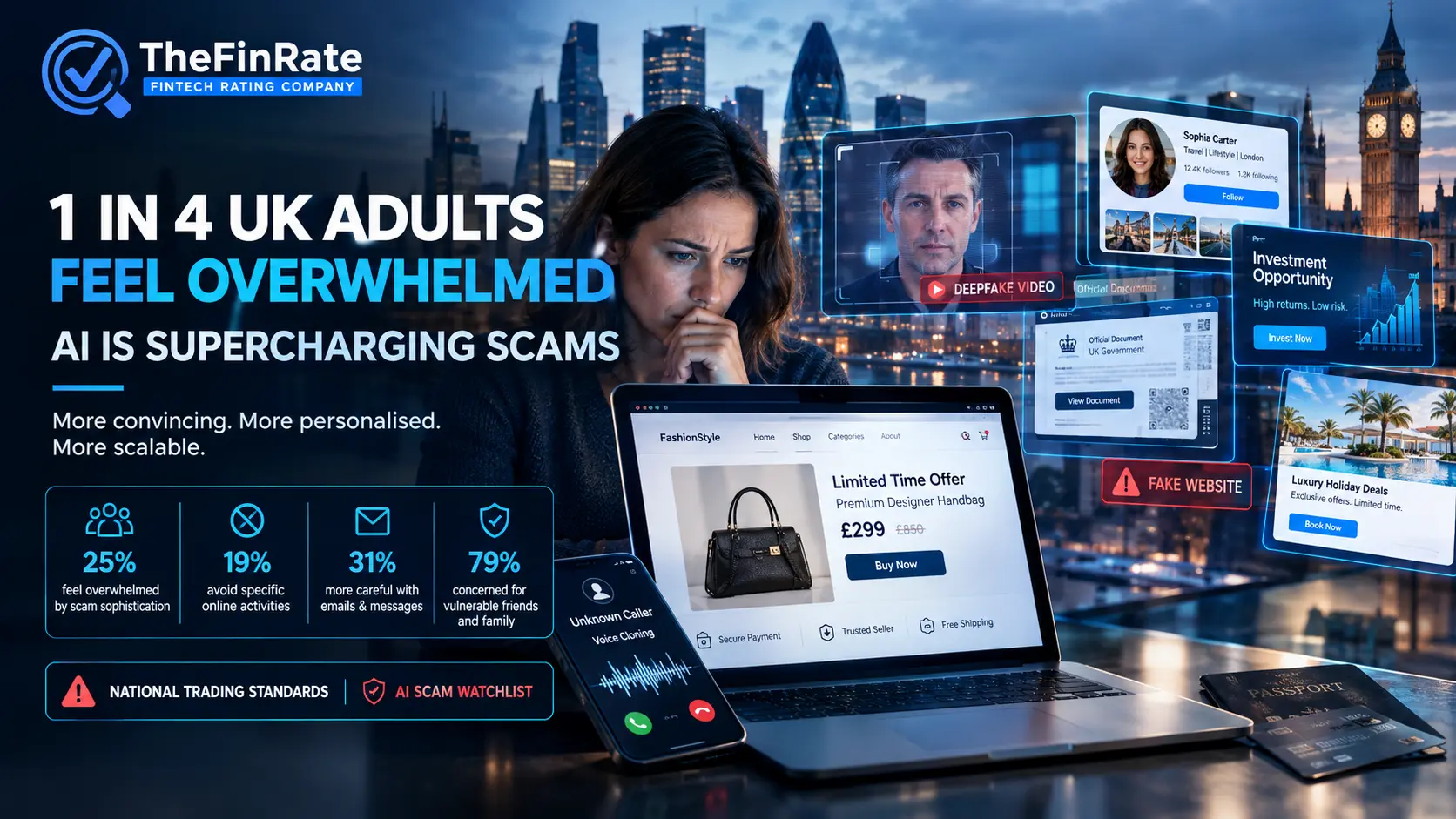
<h1 data-section-id="v2qdwk" data-start="311" data-end="385">Banking Fraud: Understanding Financial Crimes in the Digital Banking Era</h1> <p data-start="387" data-end="817">The financial industry has undergone rapid digital transformation over the past decade, bringing unprecedented convenience to consumers and businesses worldwide. Mobile banking, digital wallets, online payments, and real-time transactions have reshaped the way financial services operate. However, alongside these advancements, banking fraud has emerged as one of the most significant threats facing modern financial institutions.</p> <p data-start="819" data-end="1187">Fraudsters are becoming increasingly sophisticated, using advanced technologies and social engineering tactics to target banks, businesses, and customers. What was once limited to physical theft and forged signatures has now evolved into a complex ecosystem of cybercrime involving phishing attacks, identity theft, payment fraud, account takeovers, and digital scams.</p> <p data-start="1189" data-end="1500">As financial services become more interconnected and digital-first, the risks associated with banking fraud continue to grow. Banks are investing heavily in cybersecurity infrastructure, artificial intelligence, fraud detection systems, and customer awareness initiatives to combat financial crimes effectively.</p> <p data-start="1502" data-end="1658">Understanding the causes, methods, and impact of banking fraud has become essential for financial institutions, regulators, businesses, and consumers alike.</p> <h2 data-section-id="19rviv7" data-start="1660" data-end="1690">Understanding Banking Fraud</h2> <p data-start="1692" data-end="1898">Banking fraud refers to illegal activities designed to steal money, financial information, or assets from banks, financial institutions, or customers through deception, manipulation, or unauthorized access.</p> <p data-start="1900" data-end="2139">Fraudsters may target individuals, businesses, or banking systems directly using physical or digital methods. The primary goal of banking fraud is financial gain through unauthorized transactions or exploitation of banking vulnerabilities.</p> <p data-start="2141" data-end="2179">Common forms of banking fraud include:</p> <ul data-start="2181" data-end="2383"> <li data-section-id="ve74b9" data-start="2181" data-end="2199">Identity theft</li> <li data-section-id="azokbx" data-start="2200" data-end="2218">Phishing scams</li> <li data-section-id="1j7wut1" data-start="2219" data-end="2240">Credit card fraud</li> <li data-section-id="kd79h" data-start="2241" data-end="2265">Online banking fraud</li> <li data-section-id="27j9s7" data-start="2266" data-end="2294">Account takeover attacks</li> <li data-section-id="1cu2r7k" data-start="2295" data-end="2309">Loan fraud</li> <li data-section-id="1slbt7a" data-start="2310" data-end="2327">Payment fraud</li> <li data-section-id="1wac6vo" data-start="2328" data-end="2341">ATM fraud</li> <li data-section-id="sbhete" data-start="2342" data-end="2359">Insider fraud</li> <li data-section-id="ak2ath" data-start="2360" data-end="2383">Wire transfer scams</li> </ul> <p data-start="2385" data-end="2515">The rise of digital banking has significantly expanded the opportunities for cybercriminals to exploit financial systems remotely.</p> <h2 data-section-id="19dtzh6" data-start="2517" data-end="2551">Why Banking Fraud Is Increasing</h2> <p data-start="2553" data-end="2632">Several factors are contributing to the rapid growth of banking fraud globally.</p> <h3 data-section-id="1wfzdbe" data-start="2634" data-end="2666">Expansion of Digital Banking</h3> <p data-start="2668" data-end="2783">The increasing use of online and mobile banking platforms has created more digital entry points for cybercriminals.</p> <p data-start="2785" data-end="2927">Consumers now conduct most financial activities through smartphones and internet-connected devices, making digital fraud attempts more common.</p> <h3 data-section-id="wgnpk9" data-start="2929" data-end="2959">Rise of Real-Time Payments</h3> <p data-start="2961" data-end="3065">Instant payment systems improve transaction convenience but also create challenges for fraud prevention.</p> <p data-start="3067" data-end="3197">Fraudulent transactions can move quickly across financial systems before banks have sufficient time to detect suspicious activity.</p> <h3 data-section-id="slytya" data-start="3199" data-end="3238">Sophisticated Cybercrime Techniques</h3> <p data-start="3240" data-end="3393">Modern fraudsters use advanced technologies such as artificial intelligence, malware, deepfakes, and automated phishing tools to bypass security systems.</p> <p data-start="3395" data-end="3475">Cybercriminal networks have become highly organized and technologically capable.</p> <h3 data-section-id="1vrga67" data-start="3477" data-end="3507">Lack of Consumer Awareness</h3> <p data-start="3509" data-end="3647">Many banking fraud incidents occur because customers unknowingly share sensitive information or fall victim to social engineering tactics.</p> <p data-start="3649" data-end="3733">Fraudsters often exploit human behavior rather than technical vulnerabilities alone.</p> <h2 data-section-id="17e12h4" data-start="3735" data-end="3767">Common Types of Banking Fraud</h2> <p data-start="3769" data-end="3862">Banking fraud can occur in multiple forms across physical and digital financial environments.</p> <h3 data-section-id="10cpb3r" data-start="3864" data-end="3884">Phishing Attacks</h3> <p data-start="3886" data-end="3949">Phishing remains one of the most common forms of banking fraud.</p> <p data-start="3951" data-end="4111">Fraudsters impersonate banks or financial institutions through fake emails, messages, or websites designed to steal login credentials and financial information.</p> <p data-start="4113" data-end="4145">Victims may unknowingly provide:</p> <ul data-start="4147" data-end="4261"> <li data-section-id="17m24n8" data-start="4147" data-end="4160">Passwords</li> <li data-section-id="1qiugxp" data-start="4161" data-end="4174">OTP codes</li> <li data-section-id="q5w2zk" data-start="4175" data-end="4197">Debit card details</li> <li data-section-id="1qjqdhy" data-start="4198" data-end="4221">Banking credentials</li> <li data-section-id="1qm2hli" data-start="4222" data-end="4261">Personal identification information</li> </ul> <p data-start="4263" data-end="4308">These attacks often appear highly convincing.</p> <h3 data-section-id="1oaeel7" data-start="4310" data-end="4328">Identity Theft</h3> <p data-start="4330" data-end="4450">Identity theft occurs when criminals steal personal or financial information to conduct unauthorized banking activities.</p> <p data-start="4452" data-end="4492">Fraudsters may use stolen identities to:</p> <ul data-start="4494" data-end="4598"> <li data-section-id="owpv54" data-start="4494" data-end="4516">Open bank accounts</li> <li data-section-id="ub9lbs" data-start="4517" data-end="4536">Apply for loans</li> <li data-section-id="1aro7h5" data-start="4537" data-end="4572">Conduct fraudulent transactions</li> <li data-section-id="1khs8rm" data-start="4573" data-end="4598">Access customer funds</li> </ul> <p data-start="4600" data-end="4692">Digital data breaches have increased the availability of stolen personal information online.</p> <h3 data-section-id="1qszc0m" data-start="4694" data-end="4708">Card Fraud</h3> <p data-start="4710" data-end="4797">Debit and credit card fraud continues to be a major concern for financial institutions.</p> <p data-start="4799" data-end="4818">Fraudsters may use:</p> <ul data-start="4820" data-end="4918"> <li data-section-id="1pv5wwi" data-start="4820" data-end="4840">Skimming devices</li> <li data-section-id="1o0i2yo" data-start="4841" data-end="4857">Cloned cards</li> <li data-section-id="1wm9x8f" data-start="4858" data-end="4885">Stolen card information</li> <li data-section-id="1j49abm" data-start="4886" data-end="4918">Online payment fraud tactics</li> </ul> <p data-start="4920" data-end="5005">Card-not-present fraud has become increasingly common within e-commerce transactions.</p> <h3 data-section-id="1f13uae" data-start="5007" data-end="5033">Account Takeover Fraud</h3> <p data-start="5035" data-end="5166">In account takeover attacks, criminals gain unauthorized access to customer banking accounts through stolen credentials or malware.</p> <p data-start="5168" data-end="5286">Once inside the account, fraudsters may transfer funds, change account settings, or conduct unauthorized transactions.</p> <h3 data-section-id="1fufpqg" data-start="5288" data-end="5313">Loan and Credit Fraud</h3> <p data-start="5315" data-end="5455">Fraudsters sometimes use fake documents, stolen identities, or manipulated financial data to secure loans or credit facilities fraudulently.</p> <p data-start="5457" data-end="5539">Financial institutions face significant losses from fraudulent lending activities.</p> <h2 data-section-id="1iktvgj" data-start="5541" data-end="5593">Impact of Banking Fraud on Financial Institutions</h2> <p data-start="5595" data-end="5706">Banking fraud creates serious financial, operational, and reputational consequences for financial institutions.</p> <h3 data-section-id="wq2id6" data-start="5708" data-end="5728">Financial Losses</h3> <p data-start="5730" data-end="5828">Fraud-related losses can be substantial, especially for large-scale cyberattacks or payment scams.</p> <p data-start="5830" data-end="5919">Banks often bear the cost of reimbursing customers affected by unauthorized transactions.</p> <h3 data-section-id="1lgr56j" data-start="5921" data-end="5944">Reputational Damage</h3> <p data-start="5946" data-end="6011">Customer trust is one of the most valuable assets within banking.</p> <p data-start="6013" data-end="6120">Repeated fraud incidents can damage institutional credibility and reduce customer confidence significantly.</p> <h3 data-section-id="1j0kl0b" data-start="6122" data-end="6145">Regulatory Pressure</h3> <p data-start="6147" data-end="6267">Financial regulators increasingly require banks to strengthen fraud prevention systems and cybersecurity infrastructure.</p> <p data-start="6269" data-end="6359">Failure to comply with regulatory standards may result in penalties or legal consequences.</p> <h3 data-section-id="e2rld7" data-start="6361" data-end="6387">Operational Disruption</h3> <p data-start="6389" data-end="6523">Fraud investigations, system upgrades, and incident response activities can disrupt banking operations and increase operational costs.</p> <h2 data-section-id="280qdp" data-start="6525" data-end="6569">Technologies Used to Combat Banking Fraud</h2> <p data-start="6571" data-end="6664">Banks are increasingly adopting advanced technologies to detect and prevent financial crimes.</p> <h3 data-section-id="1ghhaj9" data-start="6666" data-end="6693">Artificial Intelligence</h3> <p data-start="6695" data-end="6773">Artificial intelligence plays a major role in modern fraud prevention systems.</p> <p data-start="6775" data-end="6917">AI-powered tools analyze transaction patterns, customer behavior, and unusual activities in real time to identify suspicious behavior quickly.</p> <p data-start="6919" data-end="6989">Machine learning models continuously improve fraud detection accuracy.</p> <h3 data-section-id="2apn1t" data-start="6991" data-end="7015">Behavioral Analytics</h3> <p data-start="7017" data-end="7103">Banks use behavioral analytics to monitor how customers interact with banking systems.</p> <p data-start="7105" data-end="7206">Unusual login behavior, transaction patterns, or device usage may trigger fraud alerts automatically.</p> <h3 data-section-id="1iue3qn" data-start="7208" data-end="7239">Multi-Factor Authentication</h3> <p data-start="7241" data-end="7383">Additional security layers such as OTP verification, biometric authentication, and device recognition help reduce unauthorized account access.</p> <h3 data-section-id="1tpkkj0" data-start="7385" data-end="7421">Real-Time Transaction Monitoring</h3> <p data-start="7423" data-end="7530">Modern fraud prevention systems monitor transactions continuously and flag suspicious activities instantly.</p> <p data-start="7532" data-end="7585">This allows banks to respond to threats more quickly.</p> <h3 data-section-id="pdcfb8" data-start="7587" data-end="7612">Blockchain Technology</h3> <p data-start="7614" data-end="7740">Some financial institutions are exploring blockchain-based systems to improve transaction transparency and reduce fraud risks.</p> <p data-start="7742" data-end="7816">Decentralized recordkeeping may strengthen payment security in the future.</p> <h2 data-section-id="guhyt" data-start="7818" data-end="7852">Banking Fraud and Cybersecurity</h2> <p data-start="7854" data-end="7961">Cybersecurity has become one of the most critical components of fraud prevention within financial services.</p> <p data-start="7963" data-end="8010">Banks must protect digital infrastructure from:</p> <ul data-start="8012" data-end="8134"> <li data-section-id="1oc9g36" data-start="8012" data-end="8031">Malware attacks</li> <li data-section-id="18vpd75" data-start="8032" data-end="8049">Data breaches</li> <li data-section-id="15665tx" data-start="8050" data-end="8064">Ransomware</li> <li data-section-id="vwmvnv" data-start="8065" data-end="8084">Insider threats</li> <li data-section-id="13uauea" data-start="8085" data-end="8108">API vulnerabilities</li> <li data-section-id="1aaej5c" data-start="8109" data-end="8134">Payment fraud schemes</li> </ul> <p data-start="8136" data-end="8264">Cybersecurity investments are increasing rapidly as financial institutions strengthen digital defenses against evolving threats.</p> <p data-start="8266" data-end="8344">Customer education also plays an essential role in improving fraud prevention.</p> <p data-start="8346" data-end="8382">Banks regularly advise customers to:</p> <ul data-start="8384" data-end="8555"> <li data-section-id="xhbhb5" data-start="8384" data-end="8410">Avoid suspicious links</li> <li data-section-id="16ov3r0" data-start="8411" data-end="8441">Protect OTPs and passwords</li> <li data-section-id="12qkgoj" data-start="8442" data-end="8477">Use secure banking applications</li> <li data-section-id="1ip1ow7" data-start="8478" data-end="8516">Monitor account activity regularly</li> <li data-section-id="yceobk" data-start="8517" data-end="8555">Enable multi-factor authentication</li> </ul> <p data-start="8557" data-end="8646">Fraud prevention requires cooperation between financial institutions and customers alike.</p> <h2 data-section-id="1f8y1z" data-start="8648" data-end="8687">Regulatory Response to Banking Fraud</h2> <p data-start="8689" data-end="8829">Governments and financial regulators worldwide are strengthening regulations aimed at reducing banking fraud and improving digital security.</p> <p data-start="8831" data-end="8861">Regulatory priorities include:</p> <ul data-start="8863" data-end="9060"> <li data-section-id="1rtquko" data-start="8863" data-end="8899">Stronger customer authentication</li> <li data-section-id="1u3zl31" data-start="8900" data-end="8927">Data privacy protection</li> <li data-section-id="1g4qui4" data-start="8928" data-end="8956">Cybersecurity compliance</li> <li data-section-id="orh9e1" data-start="8957" data-end="8991">Anti-money laundering measures</li> <li data-section-id="1x94w8w" data-start="8992" data-end="9021">Real-time fraud reporting</li> <li data-section-id="jsnfkm" data-start="9022" data-end="9060">Digital payment security standards</li> </ul> <p data-start="9062" data-end="9177">Financial institutions are expected to maintain robust fraud monitoring systems while ensuring consumer protection.</p> <p data-start="9179" data-end="9290">Global cooperation between regulators is becoming increasingly important as cybercrime operates across borders.</p> <h2 data-section-id="1v7lqlw" data-start="9292" data-end="9333">The Future of Banking Fraud Prevention</h2> <p data-start="9335" data-end="9452">As financial systems continue evolving digitally, banking fraud prevention strategies will become even more advanced.</p> <h3 data-section-id="iqdn3e" data-start="9454" data-end="9483">AI-Driven Fraud Detection</h3> <p data-start="9485" data-end="9616">Artificial intelligence is expected to play an even larger role in predictive fraud analysis and automated threat response systems.</p> <h3 data-section-id="yhwh0p" data-start="9618" data-end="9650">Biometric Security Expansion</h3> <p data-start="9652" data-end="9809">Biometric authentication methods such as facial recognition, fingerprint scanning, and voice verification may become more common in banking security systems.</p> <h3 data-section-id="1d3ubjl" data-start="9811" data-end="9840">Real-Time Risk Assessment</h3> <p data-start="9842" data-end="9963">Future fraud prevention systems may assess transaction risk instantly using real-time behavioral and contextual analysis.</p> <h3 data-section-id="5omouw" data-start="9965" data-end="10002">Stronger Digital Identity Systems</h3> <p data-start="10004" data-end="10134">Governments and financial institutions may develop more secure digital identity frameworks to reduce identity-related fraud risks.</p> <h3 data-section-id="w2eycp" data-start="10136" data-end="10163">Increased Collaboration</h3> <p data-start="10165" data-end="10312">Banks, fintech firms, regulators, and cybersecurity providers are expected to collaborate more closely to combat evolving financial crime networks.</p> <h2 data-section-id="8dtpi" data-start="10314" data-end="10327">Conclusion</h2> <p data-start="10329" data-end="10634">Banking fraud has become one of the most serious challenges facing the modern financial industry. As digital banking, online payments, and real-time transactions continue expanding globally, fraudsters are using increasingly sophisticated methods to exploit financial systems and customer vulnerabilities.</p> <p data-start="10636" data-end="10817">Financial institutions are responding through investments in artificial intelligence, cybersecurity infrastructure, behavioral analytics, and advanced fraud monitoring technologies.</p> <p data-start="10819" data-end="11016">However, technology alone cannot eliminate banking fraud completely. Consumer awareness, regulatory cooperation, and continuous innovation remain essential components of effective fraud prevention.</p> <p data-start="11018" data-end="11212" data-is-last-node="" data-is-only-node="">The future of financial security will depend on how successfully banks, fintech companies, regulators, and customers work together to build safer and more resilient digital financial ecosystems.</p>
3 articles