
Jun 8, 2026
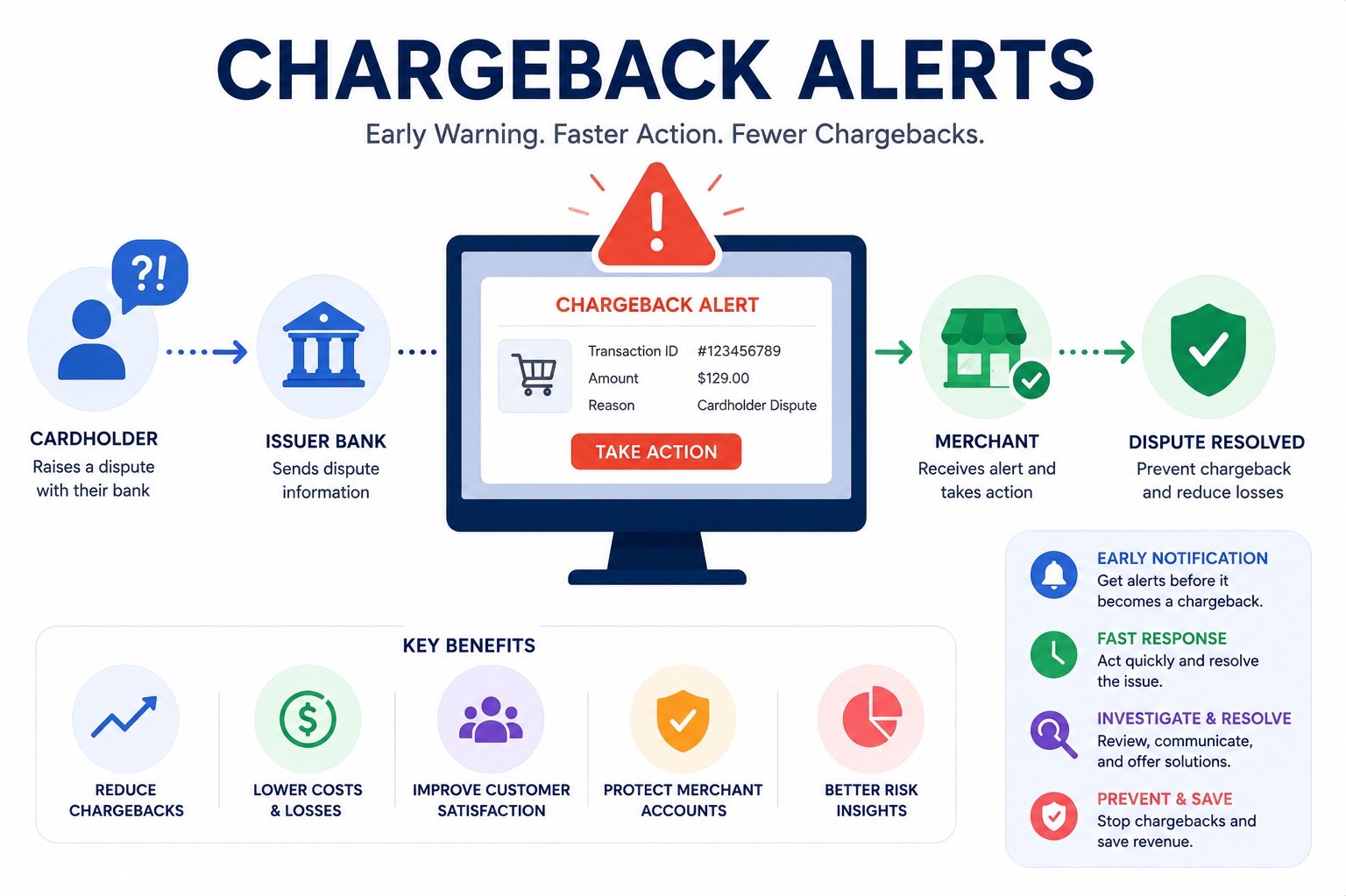
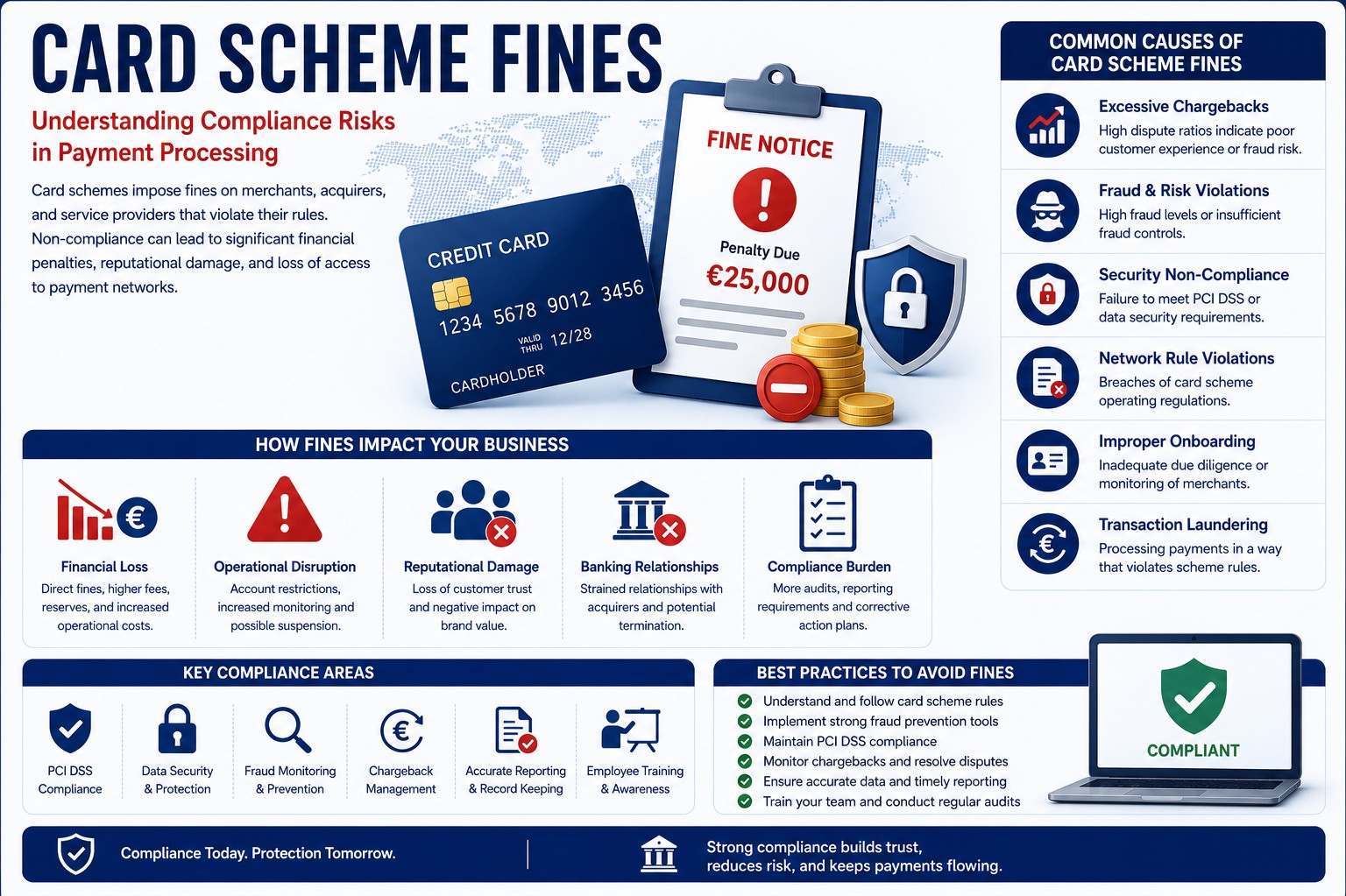
<strong>Merchant risk management</strong> refers to the processes and strategies employed by businesses to identify, assess, and mitigate risks associated with payment processing and financial transactions. At <strong>TheFinRate</strong>, we explore the importance of effective risk management for merchants, the types of risks they face, and best practices for safeguarding their businesses and customers. In an era of increasing cyber threats and fraud, understanding merchant risk management is essential for sustaining business operations and maintaining customer trust. The landscape of merchant risk is multifaceted, encompassing various threats, including <strong>payment fraud</strong>, <strong>data breaches</strong>, and <strong>chargebacks</strong>. Each of these risks can have significant financial and reputational repercussions for businesses. At <strong>TheFinRate</strong>, we analyze the common types of risks faced by merchants and how they can impact operations. Recognizing these threats is the first step toward implementing effective risk management strategies. One of the most prevalent risks in the payment processing environment is <strong>payment fraud</strong>, which includes credit card fraud, account takeover, and identity theft. Merchants must employ robust security measures to detect and prevent fraudulent transactions. This can involve utilizing advanced technologies such as <strong>fraud detection tools</strong>, <strong>machine learning algorithms</strong>, and <strong>real-time transaction monitoring</strong>. At <strong>TheFinRate</strong>, we provide insights into effective fraud prevention strategies, ensuring businesses can protect themselves and their customers from financial losses. Another significant aspect of merchant risk management is understanding <strong>chargebacks</strong>—transactions that customers dispute with their banks. Excessive chargebacks can lead to financial penalties and even the suspension of merchant accounts. To mitigate this risk, businesses should implement effective customer service practices, clear return policies, and thorough documentation of transactions. At <strong>TheFinRate</strong>, we discuss the best practices for minimizing chargebacks and maintaining a healthy transaction ratio. <strong>Data breaches</strong> are another critical risk that merchants face, especially as cybercriminals become more sophisticated. Protecting sensitive customer information, such as payment card details and personal data, is paramount. Merchants must ensure compliance with <strong>PCI DSS (Payment Card Industry Data Security Standard)</strong> and implement security measures such as <strong>encryption</strong>, <strong>tokenization</strong>, and <strong>multi-factor authentication</strong>. At <strong>TheFinRate</strong>, we highlight the importance of safeguarding customer data and provide guidance on achieving compliance with industry regulations. Moreover, the landscape of risk is continually evolving, with new threats emerging as technology advances. Businesses must remain vigilant and adapt their risk management strategies accordingly. This includes conducting regular risk assessments, staying informed about the latest trends in payment fraud, and investing in ongoing employee training on security best practices. At <strong>TheFinRate</strong>, we emphasize the importance of cultivating a culture of security awareness within organizations to mitigate risks effectively. In addition to addressing external threats, merchants should also consider <strong>internal risks</strong> related to employee behavior and operations. Implementing robust internal controls and monitoring employee access to sensitive information can help reduce the risk of internal fraud. At <strong>TheFinRate</strong>, we provide insights into developing effective internal risk management policies that protect against both external and internal threats. Finally, understanding the importance of <strong>insurance</strong> in risk management cannot be overlooked. Merchant insurance policies can provide financial protection against losses resulting from fraud, data breaches, and other unforeseen events. At <strong>TheFinRate</strong>, we discuss the various types of insurance options available to merchants and how they can complement existing risk management strategies. In conclusion, effective <strong>merchant risk management</strong> is essential for protecting businesses and their customers from various threats. By understanding the types of risks they face, implementing robust security measures, and fostering a culture of security awareness, merchants can create a secure payment processing environment. At <strong>TheFinRate</strong>, we provide valuable resources and insights to help businesses navigate the complexities of merchant risk management, ensuring they can safeguard their operations and maintain customer trust.
3 articles
Apr 17, 2024
Explore the challenges and risks associated with 2D payment gateways in this comprehensive guide. Learn about fraud prevention strategies, effective chargeback management, and regulatory compliance measures to safeguard your online transactions and protect your business interests.