
Apr 1, 2026
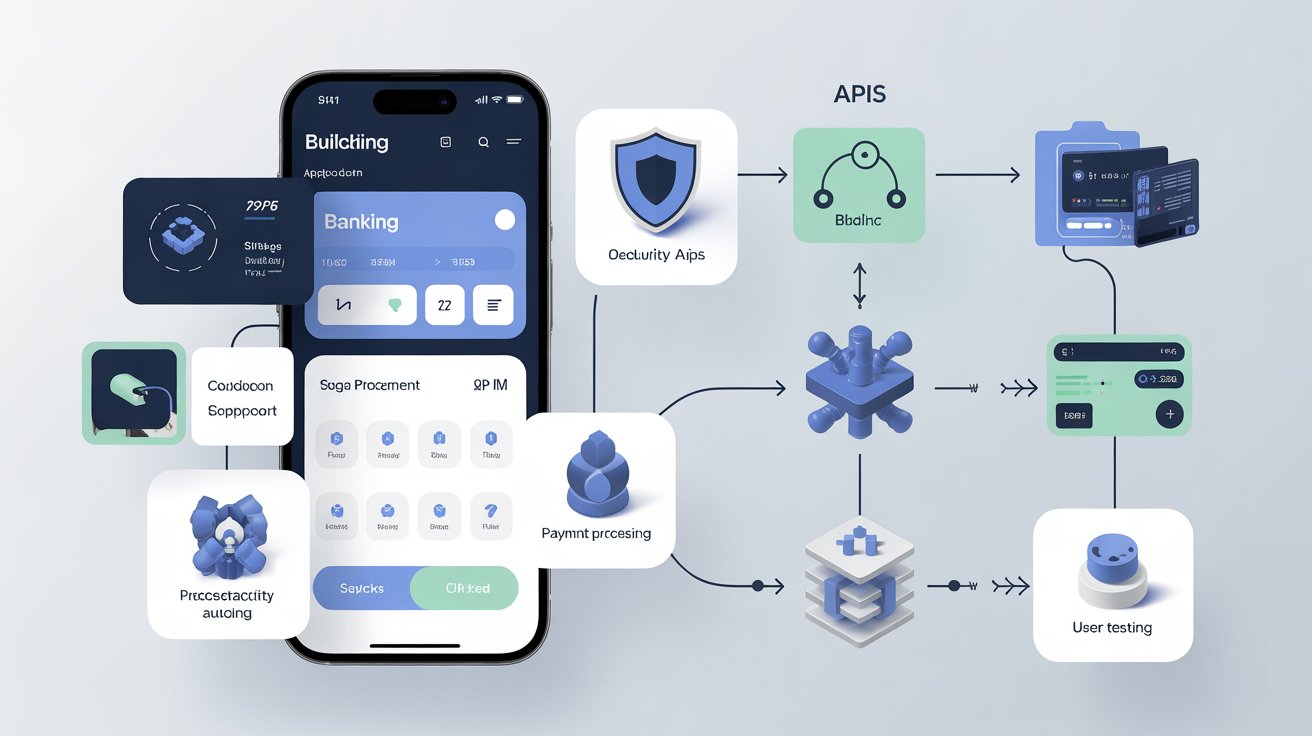
How to Build a Fintech App?
Everything you need to plan, build, launch, and scale a fintech product — written by someone who has watched hundreds of them succeed and fail.
<strong>Financial Technology Apps: Transforming the Future of Digital Finance</strong> Financial technology apps, commonly known as fintech apps, are revolutionizing the way individuals and businesses manage money, make payments, access banking services, invest, borrow, and interact with financial institutions. As digital transformation accelerates across the financial industry, fintech applications have become essential tools for delivering fast, secure, and convenient financial experiences. From mobile banking and digital wallets to investment platforms, lending applications, insurance technology, and cryptocurrency services, financial technology apps are reshaping global financial ecosystems through innovation, automation, and intelligent financial services. Powered by advanced technologies such as artificial intelligence, blockchain, cloud computing, APIs, and cybersecurity systems, fintech apps continue driving modernization across banking, payments, lending, investing, and digital commerce. At TheFinRate, we provide the latest insights, fintech trends, and technology innovations shaping the future of financial technology apps worldwide. <strong>What Are Financial Technology Apps?</strong> Financial technology apps are digital applications designed to provide financial services through mobile devices, web platforms, and cloud-based systems. These applications support a wide range of financial activities, including: <ul> <li>Mobile banking</li> <li>Online payments</li> <li>Digital wallets</li> <li>Peer-to-peer transfers</li> <li>Investment and trading</li> <li>Loan and lending services</li> <li>Budgeting and financial planning</li> <li>Cryptocurrency transactions</li> <li>Insurance management</li> <li>Fraud prevention and compliance</li> </ul> Fintech apps simplify financial operations while improving accessibility, transaction speed, security, and customer engagement. <strong>Why Financial Technology Apps Are Important</strong> The growing adoption of digital finance has made fintech applications a critical part of the modern financial ecosystem. <strong>Faster and More Convenient Financial Services</strong> Users can access banking, payments, investments, and financial tools anytime through smartphones and digital platforms. <strong>Improved Customer Experience</strong> Fintech apps provide seamless, user-friendly, and personalized financial experiences. <strong>Real-Time Transactions</strong> Digital payment systems support instant transfers, faster settlements, and real-time financial updates. <strong>Financial Inclusion</strong> Fintech applications help underserved populations gain access to banking and digital financial services. <strong>Enhanced Security</strong> Modern fintech apps use encryption, fraud detection, biometric authentication, and cybersecurity systems to protect financial data. <strong>Types of Financial Technology Apps</strong> Fintech applications serve multiple sectors within the financial industry. <strong>Mobile Banking Apps</strong> Digital banking platforms allow users to manage accounts, transfer funds, pay bills, and monitor transactions securely. <strong>Payment and Wallet Apps</strong> Payment applications support mobile payments, contactless transactions, digital wallets, and peer-to-peer transfers. <strong>Investment and Trading Platforms</strong> Investment apps provide stock trading, portfolio management, robo-advisory services, and financial analytics. <strong>Lending and Loan Applications</strong> Digital lending platforms automate loan applications, underwriting, credit scoring, and repayment management. <strong>Cryptocurrency Applications</strong> Crypto apps support blockchain transactions, digital asset trading, and decentralized finance services. <strong>Personal Finance Apps</strong> Budgeting and expense tracking apps help users manage savings, spending, and financial planning. <strong>Insurance Technology Apps</strong> InsurTech applications streamline policy management, claims processing, and customer engagement. <strong>Key Features of Financial Technology Apps</strong> Successful fintech applications combine usability, security, and advanced financial functionality. <strong>Secure User Authentication</strong> Biometric login, multi-factor authentication, and identity verification improve account security. <strong>Real-Time Transactions and Notifications</strong> Users receive instant transaction updates and payment alerts. <strong>Payment Gateway Integration</strong> Fintech apps integrate with banks, payment processors, and financial APIs. <strong>AI-Powered Financial Insights</strong> Artificial intelligence helps users manage budgets, spending, investments, and financial goals. <strong>Multi-Currency and Global Payments</strong> Many fintech platforms support international transactions and currency conversion. <strong>Customer Support Integration</strong> Chatbots and live support improve customer engagement and service quality. <strong>Fraud Detection Systems</strong> AI-driven monitoring identifies suspicious activity and reduces financial fraud risks. <strong>Technologies Used in Financial Technology Apps</strong> Modern fintech platforms rely on advanced technologies to deliver scalable and secure financial experiences. <strong>Artificial Intelligence and Machine Learning</strong> AI powers fraud detection, automation, predictive analytics, and personalized financial recommendations. <strong>Blockchain Technology</strong> Blockchain enhances transaction transparency, decentralization, and payment security. <strong>Cloud Computing</strong> Cloud infrastructure improves scalability, performance, and operational flexibility. <strong>APIs and Open Banking</strong> APIs connect fintech apps with banks, payment gateways, and third-party services. <strong>Big Data Analytics</strong> Financial institutions use analytics to improve customer insights and operational efficiency. <strong>Cybersecurity Solutions</strong> Encryption, tokenization, biometric authentication, and fraud prevention technologies improve security. <strong>Security in Financial Technology Apps</strong> Security is one of the most important aspects of fintech application development. <strong>Data Encryption</strong> Sensitive financial data must be protected during transmission and storage. <strong>Multi-Factor Authentication</strong> Additional authentication layers help prevent unauthorized access. <strong>Fraud Monitoring</strong> AI-driven fraud detection systems monitor transactions in real time. <strong>Secure APIs</strong> Protected integrations reduce vulnerabilities and improve system integrity. <strong>Regulatory Compliance</strong> Fintech apps must comply with regulations such as: <ul> <li>PCI DSS</li> <li>GDPR</li> <li>PSD2</li> <li>AML requirements</li> <li>KYC standards</li> </ul> <strong>Challenges in Fintech App Development</strong> <strong>Cybersecurity Risks</strong> Financial platforms are primary targets for cyberattacks, fraud, and data breaches. <strong>Regulatory Complexity</strong> Fintech companies must navigate evolving financial regulations across different regions. <strong>Integration Challenges</strong> Connecting fintech applications with banking systems and payment networks can be technically complex. <strong>Scalability Requirements</strong> Applications must support growing user bases and increasing transaction volumes. <strong>Building Customer Trust</strong> Reliable performance, transparency, and strong security are essential for long-term adoption. <strong>Benefits of Financial Technology Apps</strong> Businesses investing in fintech applications gain several competitive advantages: <ul> <li>Faster financial operations</li> <li>Improved customer experiences</li> <li>Reduced operational costs</li> <li>Enhanced transaction security</li> <li>Greater scalability</li> <li>Personalized financial services</li> <li>Real-time payment capabilities</li> <li>Increased financial accessibility</li> </ul> Financial technology apps continue driving innovation across the global financial ecosystem. <strong>The Future of Financial Technology Apps</strong> The future of fintech applications will be shaped by emerging technologies and evolving customer expectations. Key trends include: <ul> <li>AI-powered financial assistants</li> <li>Embedded finance ecosystems</li> <li>Open banking integration</li> <li>Real-time payment systems</li> <li>Blockchain-powered financial services</li> <li>Decentralized finance platforms</li> <li>Biometric payment authentication</li> <li>Hyper-personalized financial experiences</li> </ul> As digital finance adoption continues growing, financial technology apps will remain central to the future of global banking and payments. <strong>Why Financial Technology Apps Matter</strong> Financial technology apps are transforming how consumers and businesses interact with money, payments, banking, and investments. Companies that invest in secure and scalable fintech applications are better positioned to compete in increasingly digital financial markets. At TheFinRate, we explore the latest fintech innovations, payment technologies, software trends, and digital transformation strategies shaping the future of financial technology worldwide. <strong>Frequently Asked Questions</strong> <strong>What are financial technology apps?</strong> Financial technology apps are digital applications that provide financial services such as banking, payments, lending, investing, insurance, and budgeting. <strong>What technologies are used in fintech apps?</strong> Technologies include artificial intelligence, blockchain, cloud computing, APIs, cybersecurity systems, and big data analytics. <strong>Why are fintech apps important?</strong> Fintech apps improve accessibility, transaction speed, customer experiences, operational efficiency, and payment security. <strong>Are financial technology apps secure?</strong> Modern fintech apps use encryption, biometric authentication, fraud monitoring, and compliance frameworks to improve security. <strong>What industries use fintech applications?</strong> Banks, payment providers, investment firms, insurance companies, eCommerce businesses, and fintech startups use financial technology applications. <strong>What is the future of fintech apps?</strong> The future includes AI-powered finance, embedded banking, blockchain integration, open banking ecosystems, and intelligent automation.
8 articles
Apr 1, 2026
Everything you need to plan, build, launch, and scale a fintech product — written by someone who has watched hundreds of them succeed and fail.
Aug 21, 2025

Dec 13, 2024
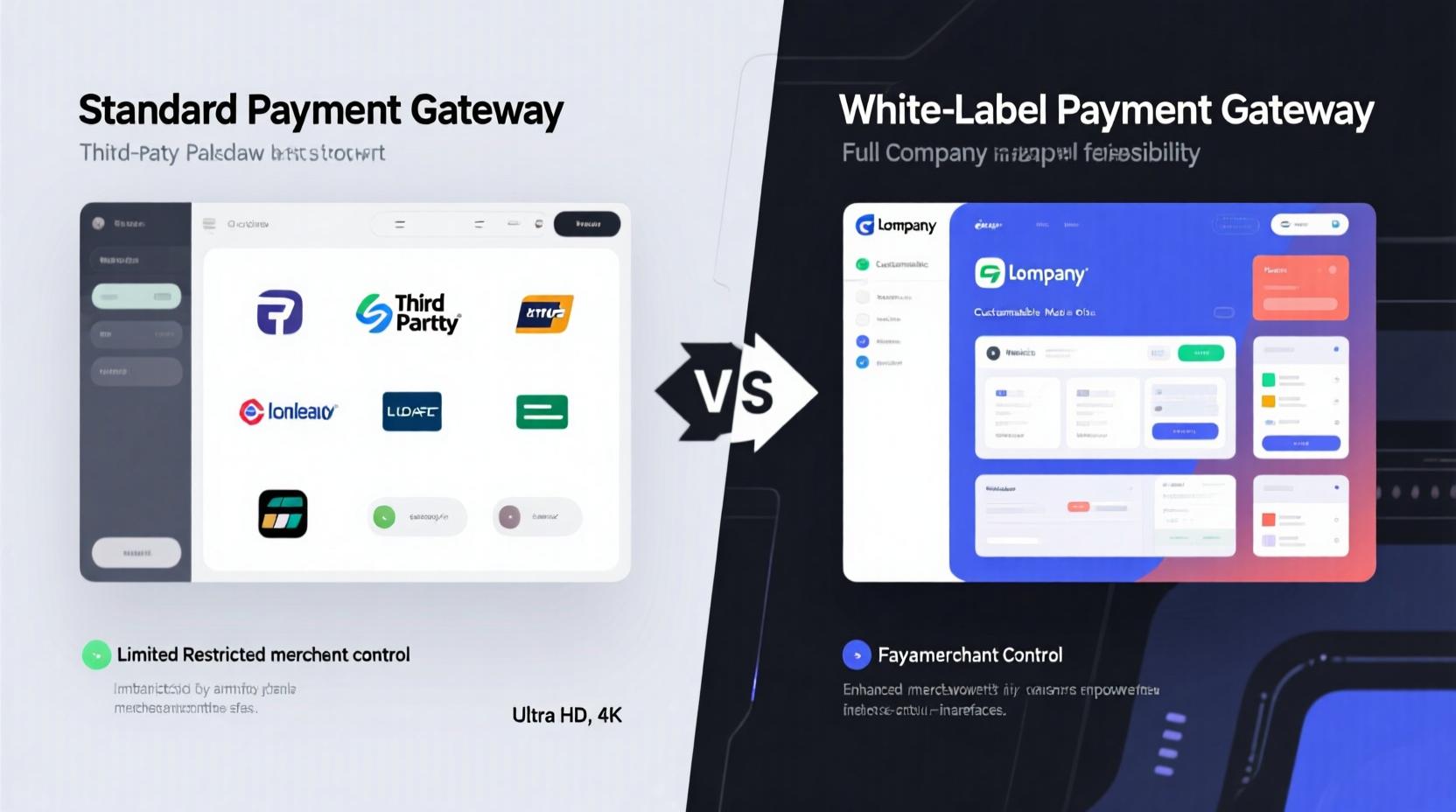
Learn how white-label payment gateway solutions can be customized to reflect your brand’s identity, improve customer experience, and streamline payment processing for better business efficiency.
Dec 13, 2024
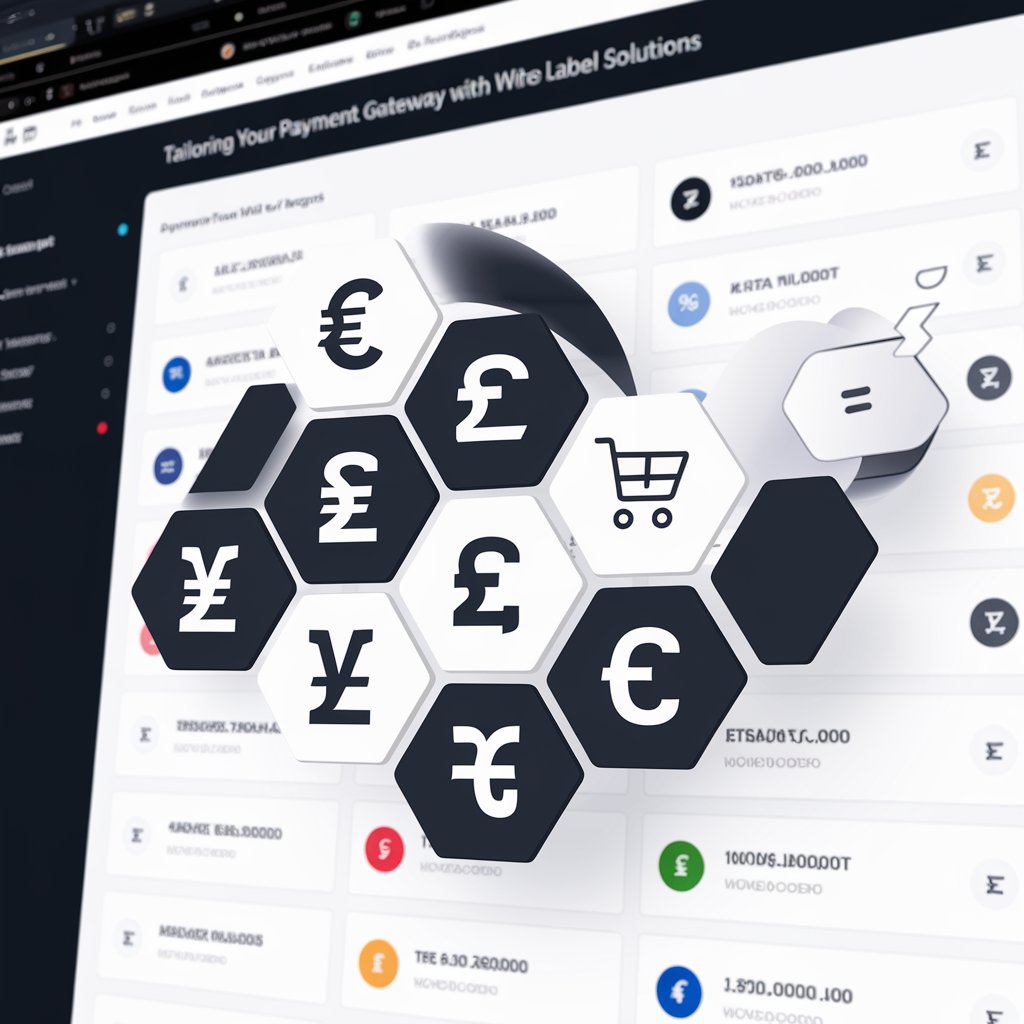
Learn how white-label payment gateways enable businesses to handle international transactions with ease, offering security, scalability, and custom branding for a global payment experience.
Dec 13, 2024
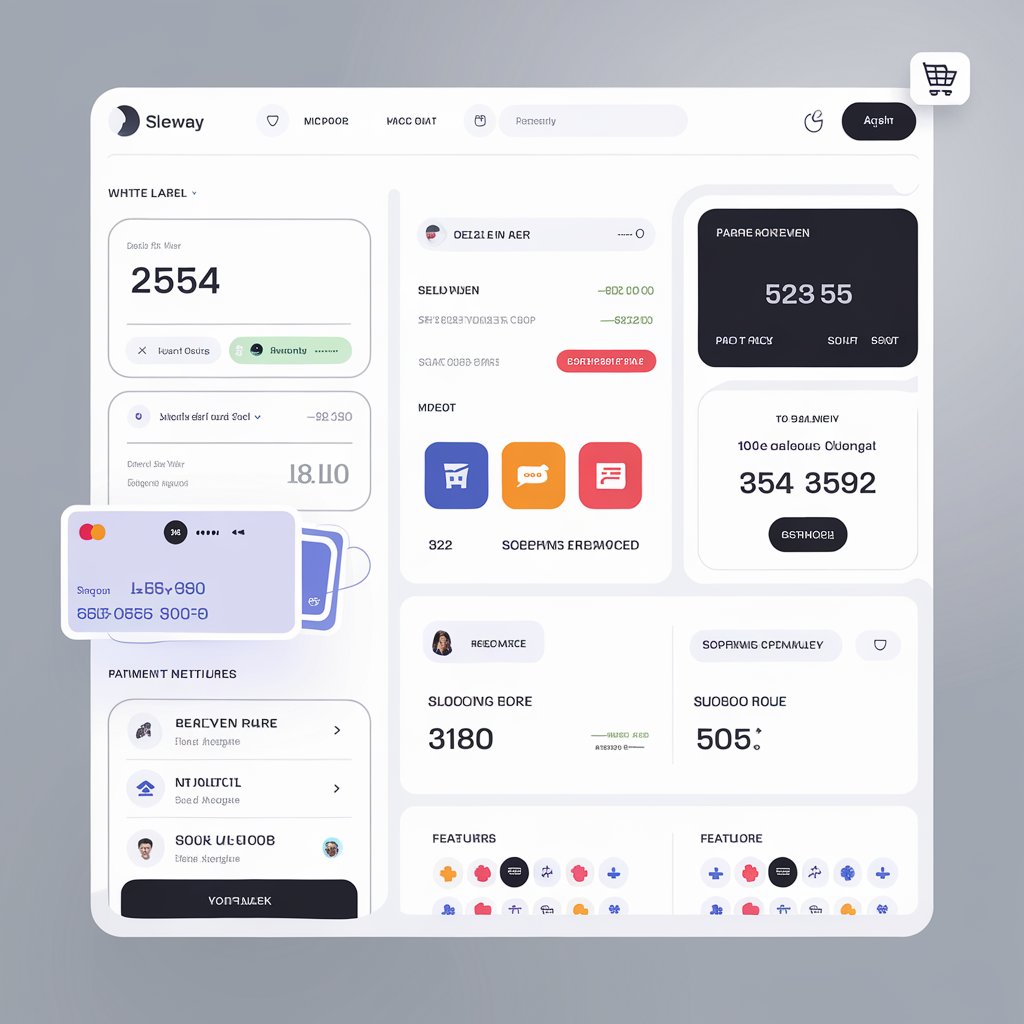
Learn how white-label payment gateways can help small businesses offer secure, branded, and efficient payment solutions. Explore their benefits, from scalability to cost savings, tailored for growing enterprises.
Dec 13, 2024
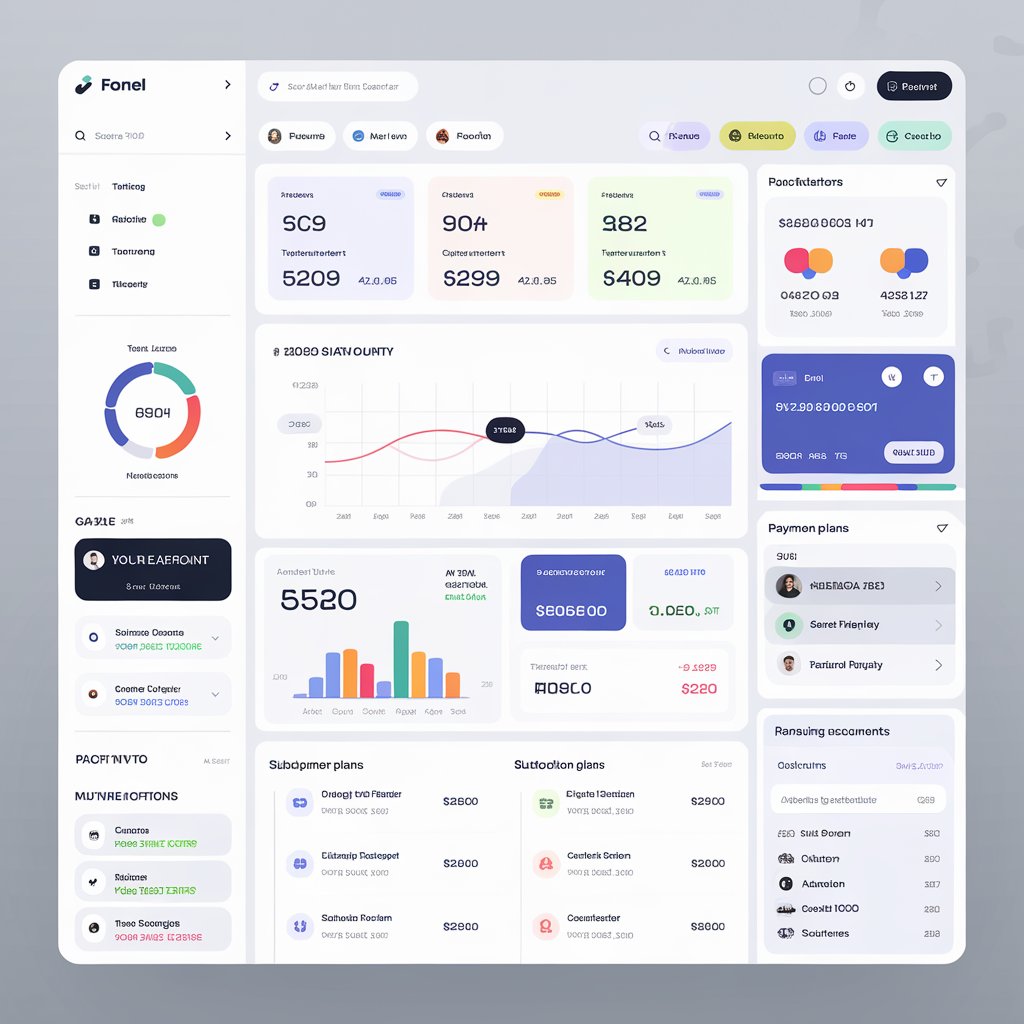
Dive into the comprehensive guide on white-label payment gateways. Understand their features, benefits, and implementation strategies to drive business growth and deliver seamless payment experiences.

Dec 13, 2024
Discover how white-label payment gateways enable businesses to thrive in the digital era, providing customizable, secure, and scalable payment processing solutions tailored to meet diverse needs
Dec 11, 2024
Dive into the additional features offered by white-label payment gateways, such as global compatibility, robust APIs, and cutting-edge security, designed to elevate business operations.