
Apr 1, 2026
How to Build a Fintech App?
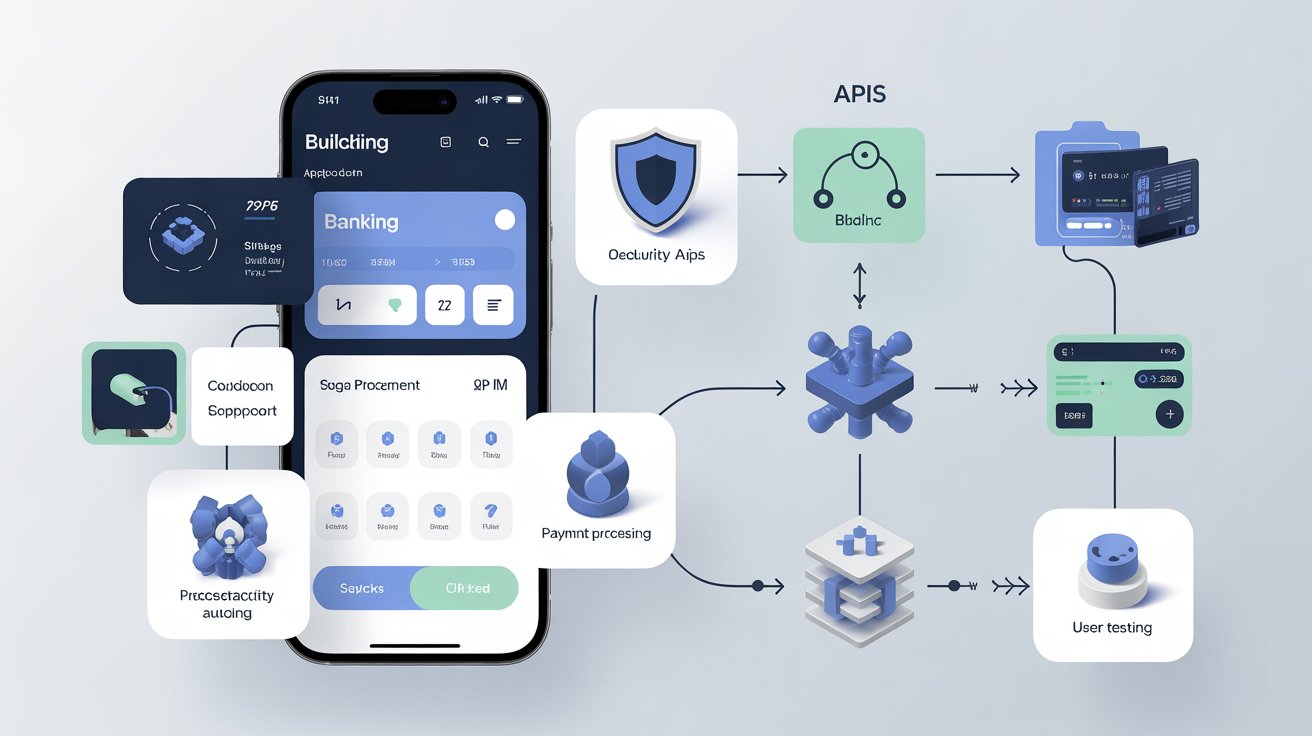
Everything you need to plan, build, launch, and scale a fintech product — written by someone who has watched hundreds of them succeed and fail.
<strong>Mobile Banking App Development: Building Secure and Scalable Digital Banking Solutions</strong> Mobile banking app development has become a critical priority for financial institutions, fintech startups, neobanks, and payment providers seeking to deliver seamless digital banking experiences. As consumers increasingly rely on smartphones for financial management, mobile banking applications are transforming how people access accounts, transfer funds, pay bills, monitor transactions, and interact with financial services. Modern banking customers expect fast, secure, personalized, and user-friendly mobile experiences available anytime and anywhere. To meet these expectations, banks and fintech companies are investing heavily in advanced mobile banking technologies powered by artificial intelligence, cloud infrastructure, biometric security, open banking integration, and real-time payment capabilities. At TheFinRate, we provide the latest insights, fintech trends, and technology innovations shaping the future of mobile banking app development worldwide. <strong>What Is Mobile Banking App Development?</strong> Mobile banking app development refers to the process of designing, building, testing, and maintaining mobile applications that allow users to access banking and financial services through smartphones and tablets. These applications enable customers to perform a wide range of banking activities digitally, including: <ul> <li>Account management</li> <li>Fund transfers</li> <li>Bill payments</li> <li>Mobile check deposits</li> <li>Transaction history tracking</li> <li>Card management</li> <li>Loan applications</li> <li>Investment monitoring</li> <li>Customer support interactions</li> </ul> Mobile banking apps are developed for platforms such as iOS and Android and often integrate with core banking systems, payment gateways, APIs, and financial infrastructure. <strong>Why Mobile Banking Apps Are Important</strong> Digital banking adoption continues to grow globally as consumers demand more convenient and accessible financial services. <strong>Enhanced Customer Experience</strong> Mobile banking apps provide users with fast and convenient access to financial services without visiting physical branches. <strong>24/7 Banking Access</strong> Customers can manage finances anytime through secure mobile devices, improving accessibility and convenience. <strong>Operational Efficiency</strong> Banks can reduce operational costs by automating transactions and minimizing dependence on physical branches. <strong>Financial Inclusion</strong> Mobile banking applications help extend banking services to underserved and remote populations. <strong>Real-Time Financial Management</strong> Users can monitor transactions, receive instant alerts, and manage accounts in real time. <strong>Key Features of Mobile Banking Applications</strong> Successful mobile banking apps combine security, usability, and advanced financial functionality. <strong>User Registration and Authentication</strong> Secure onboarding processes include biometric authentication, multi-factor authentication, and identity verification. <strong>Account Management</strong> Users can view balances, monitor transactions, download statements, and manage multiple accounts. <strong>Fund Transfers and Payments</strong> Mobile banking apps support domestic transfers, international payments, peer-to-peer transactions, and bill payments. <strong>Card Management</strong> Customers can activate cards, freeze accounts, set spending limits, and monitor card activity directly within the app. <strong>Push Notifications and Alerts</strong> Real-time alerts improve security and keep users informed about account activity and payment status. <strong>AI-Powered Financial Insights</strong> Artificial intelligence helps users manage budgets, track spending habits, and receive personalized financial recommendations. <strong>Customer Support Integration</strong> In-app chatbots, virtual assistants, and live support features improve customer engagement and issue resolution. <strong>Technologies Used in Mobile Banking App Development</strong> Modern banking applications rely on advanced technologies to deliver secure and scalable digital experiences. <strong>Artificial Intelligence and Machine Learning</strong> AI supports fraud detection, predictive analytics, customer personalization, and intelligent virtual assistants. <strong>Cloud Computing</strong> Cloud infrastructure improves scalability, performance, disaster recovery, and operational flexibility. <strong>Blockchain Technology</strong> Some banking platforms use blockchain for secure transactions, identity management, and cross-border payments. <strong>Open Banking APIs</strong> APIs enable integration with third-party financial services, payment providers, and fintech ecosystems. <strong>Biometric Authentication</strong> Fingerprint scanning, facial recognition, and voice authentication enhance account security. <strong>Real-Time Payments Infrastructure</strong> Instant payment systems improve transaction speed and customer convenience. <strong>Security in Mobile Banking App Development</strong> Security remains one of the most important priorities in digital banking. <strong>Data Encryption</strong> End-to-end encryption protects customer data during transmission and storage. <strong>Multi-Factor Authentication</strong> Additional authentication layers reduce unauthorized account access. <strong>Fraud Detection Systems</strong> AI-powered monitoring identifies suspicious transactions and unusual user behavior in real time. <strong>Secure API Integration</strong> Protected APIs help prevent unauthorized access and data breaches. <strong>Compliance Standards</strong> Banking apps must comply with financial regulations and security standards such as PCI DSS, GDPR, PSD2, and KYC requirements. <strong>Challenges in Mobile Banking App Development</strong> <strong>Cybersecurity Threats</strong> Banks must continuously defend against phishing attacks, malware, identity theft, and payment fraud. <strong>Regulatory Compliance</strong> Financial institutions must comply with evolving global banking and data privacy regulations. <strong>Legacy System Integration</strong> Integrating modern mobile applications with existing banking infrastructure can be complex. <strong>User Experience Expectations</strong> Customers expect fast, intuitive, and highly responsive mobile experiences across devices. <strong>Scalability Requirements</strong> Banking apps must handle increasing transaction volumes and user growth without performance issues. <strong>Benefits of Mobile Banking App Development</strong> Financial institutions investing in mobile banking technology gain several competitive advantages: <ul> <li>Improved customer engagement</li> <li>Reduced operational costs</li> <li>Faster service delivery</li> <li>Enhanced transaction security</li> <li>Greater scalability</li> <li>Personalized banking experiences</li> <li>Increased customer retention</li> <li>Expanded digital reach</li> </ul> Mobile banking applications are becoming essential for long-term competitiveness in the modern financial industry. <strong>The Future of Mobile Banking Apps</strong> The future of mobile banking will be driven by intelligent automation, embedded finance, and personalized digital experiences. Emerging trends include: <ul> <li>AI-powered financial assistants</li> <li>Voice-enabled banking</li> <li>Embedded finance integration</li> <li>Open banking ecosystems</li> <li>Biometric payment authentication</li> <li>Real-time payment innovation</li> <li>Hyper-personalized financial services</li> <li>Blockchain-powered banking infrastructure</li> </ul> As fintech innovation accelerates, mobile banking apps will continue evolving into intelligent financial platforms that deliver seamless, secure, and customer-centric experiences. <strong>Why Mobile Banking App Development Matters</strong> Mobile banking applications are reshaping the global financial industry by making banking services faster, smarter, and more accessible. Financial institutions that invest in secure and scalable mobile banking technology are better positioned to meet evolving customer expectations and compete in increasingly digital financial markets. At TheFinRate, we explore the latest banking technologies, fintech innovations, and digital transformation trends shaping the future of mobile banking worldwide. <strong>Frequently Asked Questions</strong> <strong>What is mobile banking app development?</strong> Mobile banking app development is the process of creating mobile applications that allow users to access and manage banking services through smartphones and tablets. <strong>What features should a mobile banking app include?</strong> Key features include account management, fund transfers, bill payments, biometric authentication, transaction alerts, customer support, and fraud detection. <strong>Why is security important in mobile banking apps?</strong> Mobile banking apps handle sensitive financial data and transactions, making strong cybersecurity and fraud prevention essential. <strong>Which technologies are used in mobile banking app development?</strong> Technologies include artificial intelligence, cloud computing, blockchain, biometric authentication, APIs, and real-time payment systems. <strong>What are the benefits of mobile banking apps?</strong> Benefits include convenience, 24/7 access, lower operational costs, personalized banking experiences, and faster financial transactions. <strong>How long does it take to develop a mobile banking app?</strong> Development timelines vary depending on features, complexity, security requirements, and integration needs, but enterprise banking apps often require several months of development and testing.
8 articles
Apr 1, 2026
Everything you need to plan, build, launch, and scale a fintech product — written by someone who has watched hundreds of them succeed and fail.
Aug 21, 2025

Dec 13, 2024
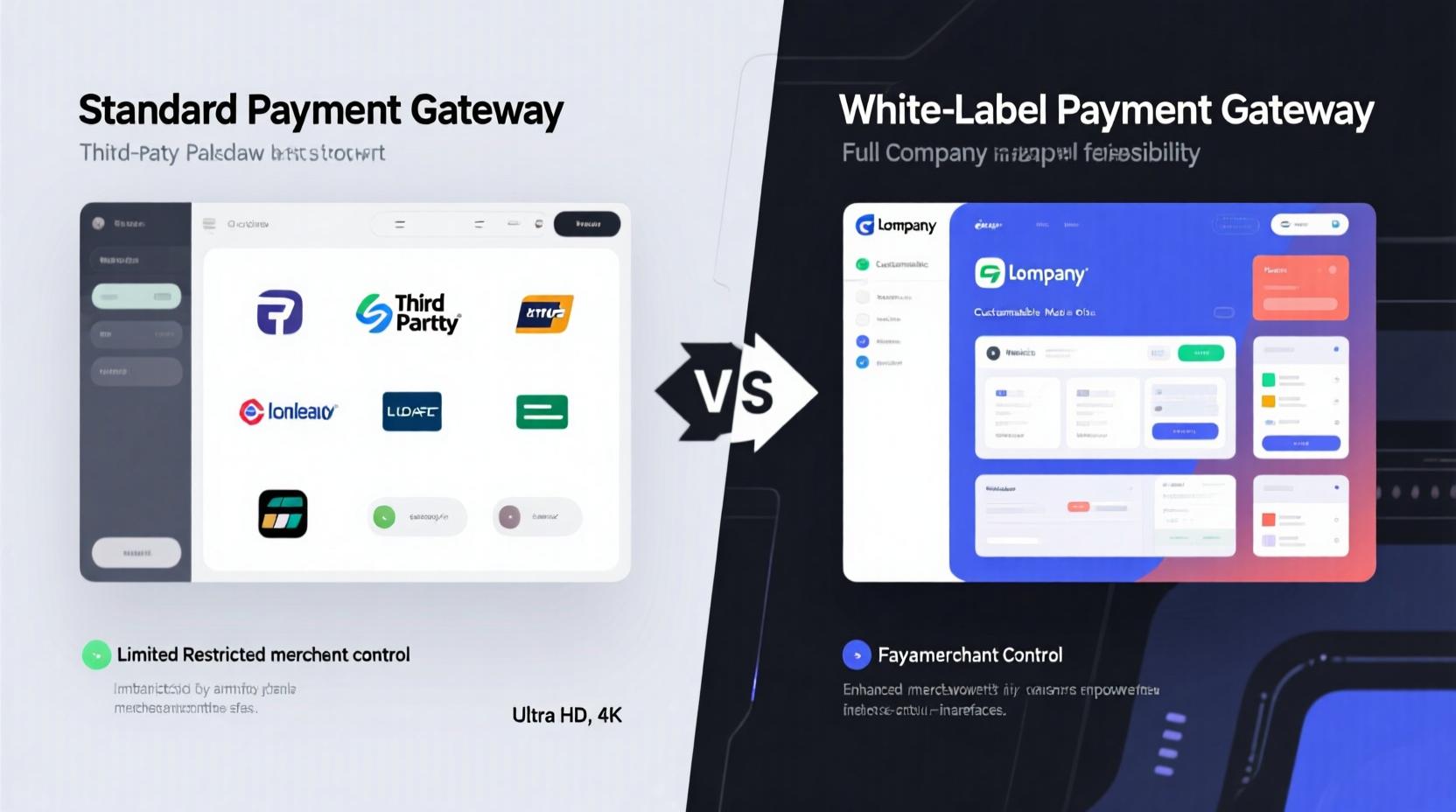
Learn how white-label payment gateway solutions can be customized to reflect your brand’s identity, improve customer experience, and streamline payment processing for better business efficiency.
Dec 13, 2024
Learn how white-label payment gateways enable businesses to handle international transactions with ease, offering security, scalability, and custom branding for a global payment experience.
Dec 13, 2024
Learn how white-label payment gateways can help small businesses offer secure, branded, and efficient payment solutions. Explore their benefits, from scalability to cost savings, tailored for growing enterprises.
Dec 13, 2024
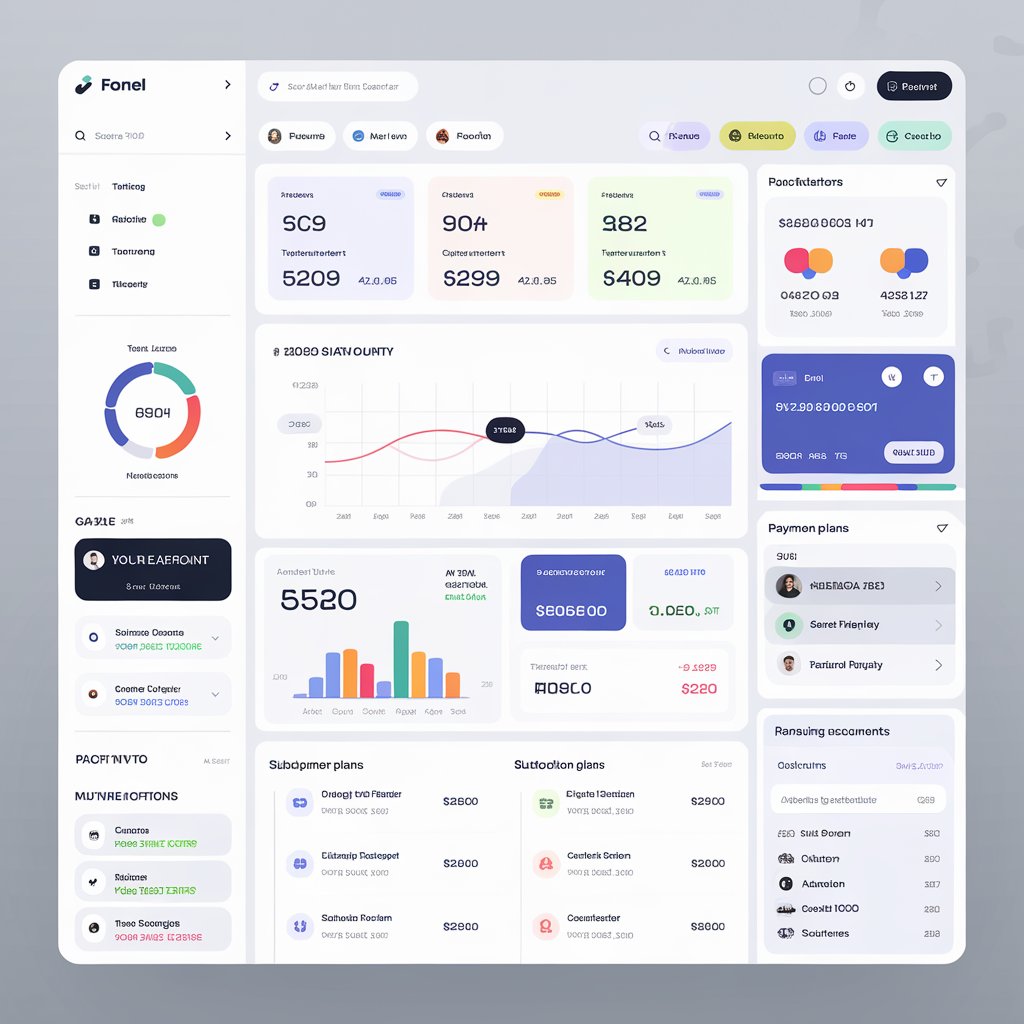
Dive into the comprehensive guide on white-label payment gateways. Understand their features, benefits, and implementation strategies to drive business growth and deliver seamless payment experiences.

Dec 13, 2024
Discover how white-label payment gateways enable businesses to thrive in the digital era, providing customizable, secure, and scalable payment processing solutions tailored to meet diverse needs
Dec 11, 2024
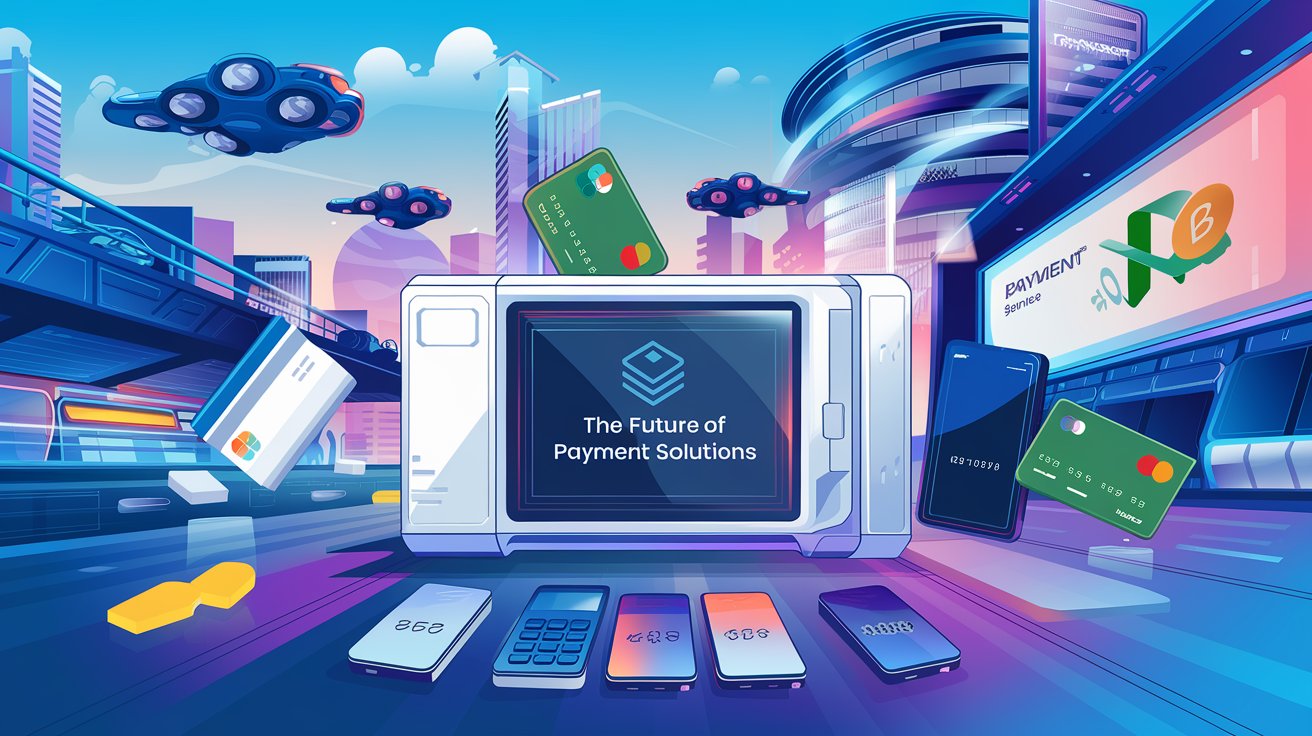
Dive into the additional features offered by white-label payment gateways, such as global compatibility, robust APIs, and cutting-edge security, designed to elevate business operations.