
Apr 1, 2026
How to Build a Fintech App?
Everything you need to plan, build, launch, and scale a fintech product — written by someone who has watched hundreds of them succeed and fail.
<strong>Fintech App Development Guide: Everything You Need to Know</strong> Fintech app development is transforming the financial industry by enabling businesses and consumers to access digital banking, payments, lending, investing, insurance, and money management services through secure and intelligent applications. As financial technology adoption continues to accelerate worldwide, fintech applications are becoming essential for modern financial ecosystems. From mobile banking apps and digital wallets to cryptocurrency platforms and AI-powered financial tools, fintech applications are reshaping how financial services are delivered and experienced. Businesses investing in fintech app development gain opportunities to improve customer engagement, streamline operations, increase transaction speed, and enhance security. This fintech app development guide explores the complete process of building secure, scalable, and user-friendly fintech applications while covering key technologies, features, compliance requirements, development strategies, and emerging trends. At TheFinRate, we provide expert insights, fintech trends, and technology innovations shaping the future of digital finance worldwide. <strong>What Is Fintech App Development?</strong> Fintech app development refers to the creation of digital applications designed to deliver financial services through mobile devices, web platforms, and cloud-based systems. These applications support a wide range of financial activities, including: <ul> <li>Mobile banking</li> <li>Online payments</li> <li>Peer-to-peer money transfers</li> <li>Digital wallets</li> <li>Investment and trading</li> <li>Lending and loan management</li> <li>Cryptocurrency transactions</li> <li>Insurance services</li> <li>Personal finance management</li> <li>Fraud detection and compliance</li> </ul> Modern fintech applications combine advanced technologies such as artificial intelligence, blockchain, APIs, machine learning, cloud computing, and cybersecurity solutions to deliver secure and scalable financial experiences. <strong>Why Fintech Apps Are Important</strong> Digital finance is rapidly becoming the standard across global markets. <strong>Improved Customer Experience</strong> Fintech apps provide users with fast, convenient, and personalized access to financial services anytime and anywhere. <strong>Faster Transactions</strong> Real-time payments and automated financial workflows improve efficiency for both businesses and consumers. <strong>Financial Inclusion</strong> Digital financial platforms expand access to banking and payment services for underserved populations. <strong>Reduced Operational Costs</strong> Automation helps financial institutions streamline operations and reduce manual processes. <strong>Enhanced Security</strong> Modern fintech apps use advanced fraud prevention systems and encryption technologies to protect financial data. <strong>Types of Fintech Applications</strong> Fintech app development supports multiple financial sectors and business models. <strong>Mobile Banking Apps</strong> Digital banking applications enable users to manage accounts, transfer funds, pay bills, and monitor transactions securely. <strong>Payment and Wallet Applications</strong> Payment apps support digital transactions, peer-to-peer transfers, contactless payments, and online commerce. <strong>Investment and Trading Platforms</strong> Investment apps provide portfolio management, stock trading, robo-advisory services, and financial analytics. <strong>Lending and Loan Applications</strong> Digital lending platforms automate loan applications, underwriting, credit scoring, and repayment management. <strong>Cryptocurrency Platforms</strong> Crypto apps support blockchain transactions, digital asset trading, and decentralized finance services. <strong>Insurance Technology Apps</strong> InsurTech applications simplify policy management, claims processing, and customer engagement. <strong>Personal Finance Applications</strong> Budgeting and expense tracking apps help users manage spending, savings, and financial planning. <strong>Key Features of a Fintech App</strong> Successful fintech applications combine usability, security, and financial functionality. <strong>User Authentication and Security</strong> Biometric login, multi-factor authentication, and identity verification protect customer accounts and sensitive information. <strong>Real-Time Transactions</strong> Users expect instant payments, transfers, and account updates. <strong>Payment Gateway Integration</strong> Fintech apps integrate with banks, payment processors, and financial APIs. <strong>Transaction Tracking</strong> Real-time notifications and financial dashboards improve transparency and user engagement. <strong>AI-Powered Insights</strong> Artificial intelligence provides personalized recommendations, budgeting support, and fraud monitoring. <strong>Multi-Currency Support</strong> Global fintech platforms support international transactions and currency conversion. <strong>Customer Support Integration</strong> Chatbots, virtual assistants, and live support improve customer experiences. <strong>Technologies Used in Fintech App Development</strong> Modern fintech platforms rely on advanced technologies to improve performance, scalability, and security. <strong>Artificial Intelligence and Machine Learning</strong> AI powers fraud detection, automation, predictive analytics, and personalized financial services. <strong>Blockchain Technology</strong> Blockchain enhances transaction transparency, decentralization, and payment security. <strong>Cloud Computing</strong> Cloud infrastructure improves scalability, uptime, and operational efficiency. <strong>APIs and Open Banking</strong> APIs connect fintech apps with banks, payment gateways, and third-party financial services. <strong>Big Data Analytics</strong> Financial data analysis supports customer insights, risk management, and operational optimization. <strong>Cybersecurity Solutions</strong> Encryption, tokenization, and fraud detection systems strengthen application security. <strong>Steps to Develop a Fintech App</strong> <strong>Step 1: Define the Business Idea</strong> Identify the financial problem your app will solve and define the target audience, business model, and core services. <strong>Step 2: Conduct Market Research</strong> Analyze competitors, customer expectations, industry trends, and regulatory requirements. <strong>Step 3: Select Essential Features</strong> Choose features that align with your business objectives and customer needs. <strong>Step 4: Ensure Regulatory Compliance</strong> Fintech applications must comply with regulations such as: <ul> <li>PCI DSS</li> <li>GDPR</li> <li>PSD2</li> <li>AML requirements</li> <li>KYC standards</li> </ul> <strong>Step 5: Design the User Experience</strong> Create a simple, intuitive, and mobile-friendly user interface that improves engagement and usability. <strong>Step 6: Develop the Application</strong> Build frontend and backend systems while integrating APIs, payment gateways, databases, and cloud infrastructure. <strong>Step 7: Perform Security and Performance Testing</strong> Testing helps identify vulnerabilities, scalability issues, and compliance gaps before launch. <strong>Step 8: Launch and Maintain the App</strong> Continuous monitoring, updates, and customer feedback help improve performance and security over time. <strong>Security in Fintech App Development</strong> Security remains one of the most critical priorities for fintech applications. <strong>Data Encryption</strong> Sensitive financial information must be encrypted during storage and transmission. <strong>Multi-Factor Authentication</strong> Additional authentication layers reduce unauthorized access risks. <strong>Fraud Detection Systems</strong> AI-powered monitoring identifies suspicious activity in real time. <strong>Secure APIs</strong> Protected integrations help prevent cyberattacks and unauthorized access. <strong>Compliance Management</strong> Fintech apps must comply with evolving financial regulations and cybersecurity standards. <strong>Challenges in Fintech App Development</strong> <strong>Regulatory Complexity</strong> Financial regulations differ across regions and industries. <strong>Cybersecurity Threats</strong> Fintech applications are primary targets for fraud, phishing, and data breaches. <strong>Integration with Legacy Systems</strong> Connecting modern fintech platforms with traditional banking systems can be technically challenging. <strong>Scalability Requirements</strong> Applications must support increasing transaction volumes and user growth. <strong>Building Customer Trust</strong> Reliable performance and strong security are essential for customer retention. <strong>Benefits of Fintech App Development</strong> Businesses investing in fintech applications gain several advantages: <ul> <li>Faster service delivery</li> <li>Improved customer engagement</li> <li>Reduced operational costs</li> <li>Enhanced payment security</li> <li>Greater scalability</li> <li>Real-time financial services</li> <li>Personalized user experiences</li> <li>Competitive digital innovation</li> </ul> Fintech applications continue driving digital transformation across global financial ecosystems. <strong>The Future of Fintech App Development</strong> Emerging trends shaping the future of fintech apps include: <ul> <li>AI-powered financial assistants</li> <li>Embedded finance ecosystems</li> <li>Open banking integration</li> <li>Real-time payment systems</li> <li>Decentralized finance platforms</li> <li>Blockchain-based infrastructure</li> <li>Biometric authentication</li> <li>Hyper-personalized financial experiences</li> </ul> As digital finance adoption continues growing, fintech apps will remain central to the future of financial services worldwide. <strong>Why Fintech App Development Matters</strong> Fintech applications are transforming how consumers and businesses access banking, payments, lending, investing, and digital commerce services. Companies that invest in secure and scalable fintech technology are better positioned to compete in increasingly digital financial markets. At TheFinRate, we explore the latest fintech innovations, payment technologies, software trends, and digital transformation strategies shaping the future of global finance. <strong>Frequently Asked Questions</strong> <strong>What is fintech app development?</strong> Fintech app development involves creating digital applications that provide financial services such as banking, payments, lending, investing, and financial management. <strong>What technologies are used in fintech apps?</strong> Technologies include artificial intelligence, blockchain, APIs, cloud computing, machine learning, and cybersecurity systems. <strong>Why are fintech apps important?</strong> Fintech apps improve financial accessibility, customer experiences, operational efficiency, and transaction speed. <strong>Are fintech applications secure?</strong> Modern fintech applications use encryption, fraud monitoring, biometric authentication, and compliance frameworks to improve security. <strong>How long does fintech app development take?</strong> Development timelines depend on app complexity, features, compliance requirements, and integration needs. <strong>What is the future of fintech app development?</strong> The future includes AI-powered finance, embedded banking, blockchain integration, open banking ecosystems, and intelligent automation.
8 articles
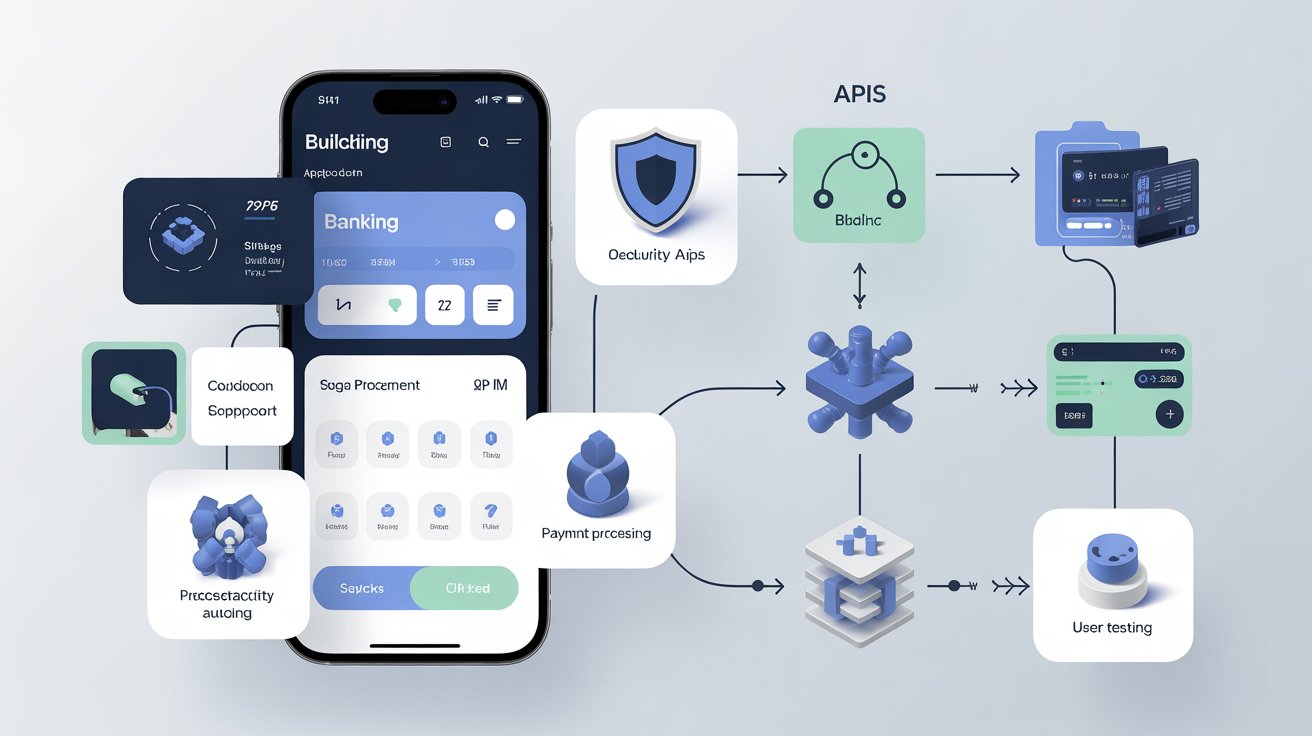
Apr 1, 2026
Everything you need to plan, build, launch, and scale a fintech product — written by someone who has watched hundreds of them succeed and fail.
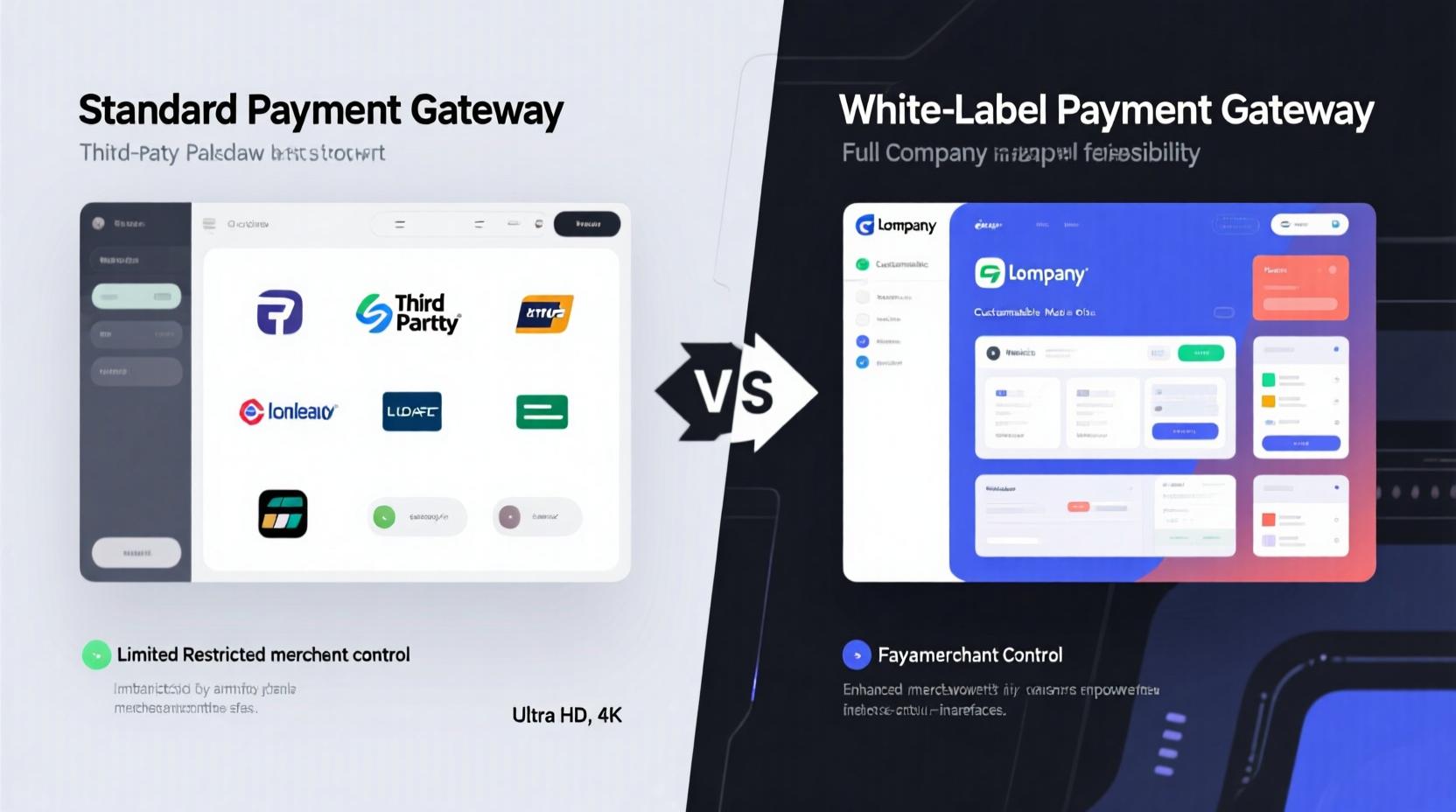
Aug 21, 2025

Dec 13, 2024
Learn how white-label payment gateway solutions can be customized to reflect your brand’s identity, improve customer experience, and streamline payment processing for better business efficiency.
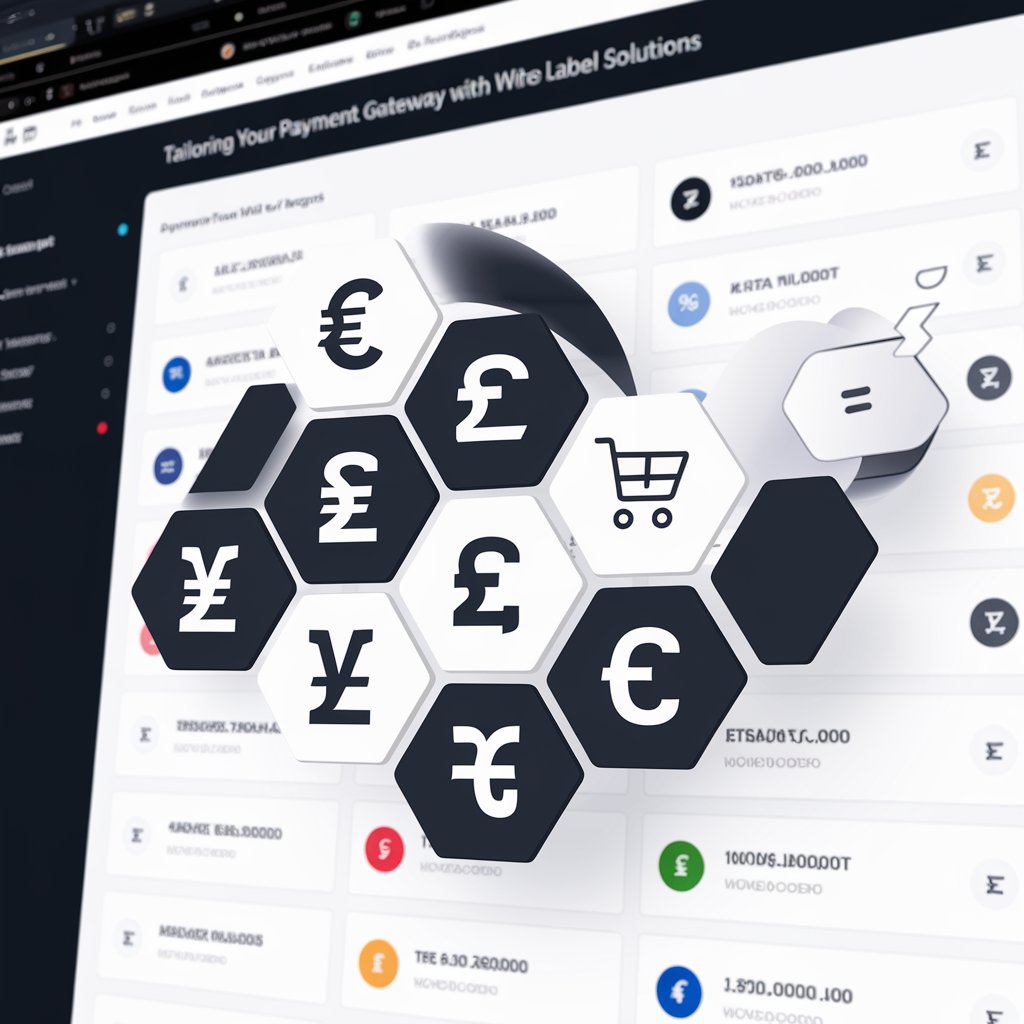
Dec 13, 2024
Learn how white-label payment gateways enable businesses to handle international transactions with ease, offering security, scalability, and custom branding for a global payment experience.
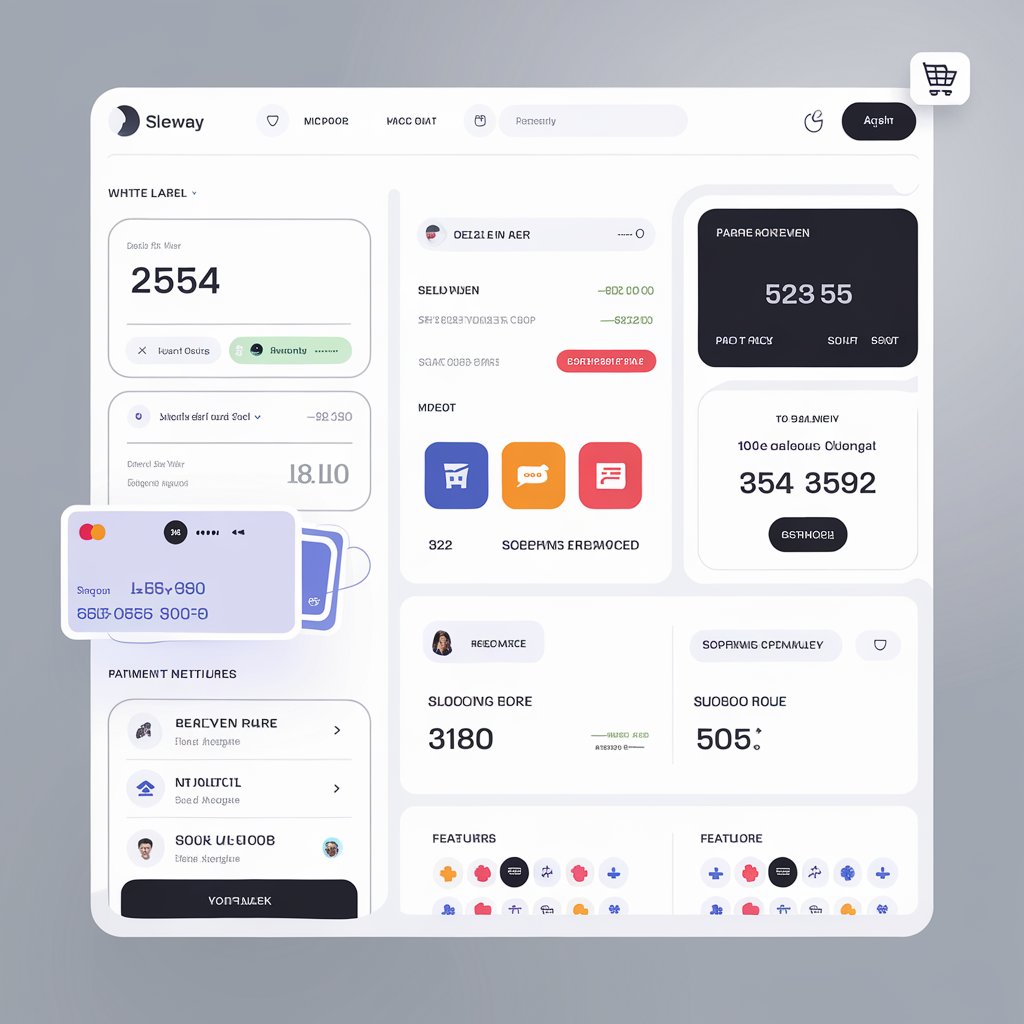
Dec 13, 2024
Learn how white-label payment gateways can help small businesses offer secure, branded, and efficient payment solutions. Explore their benefits, from scalability to cost savings, tailored for growing enterprises.
Dec 13, 2024
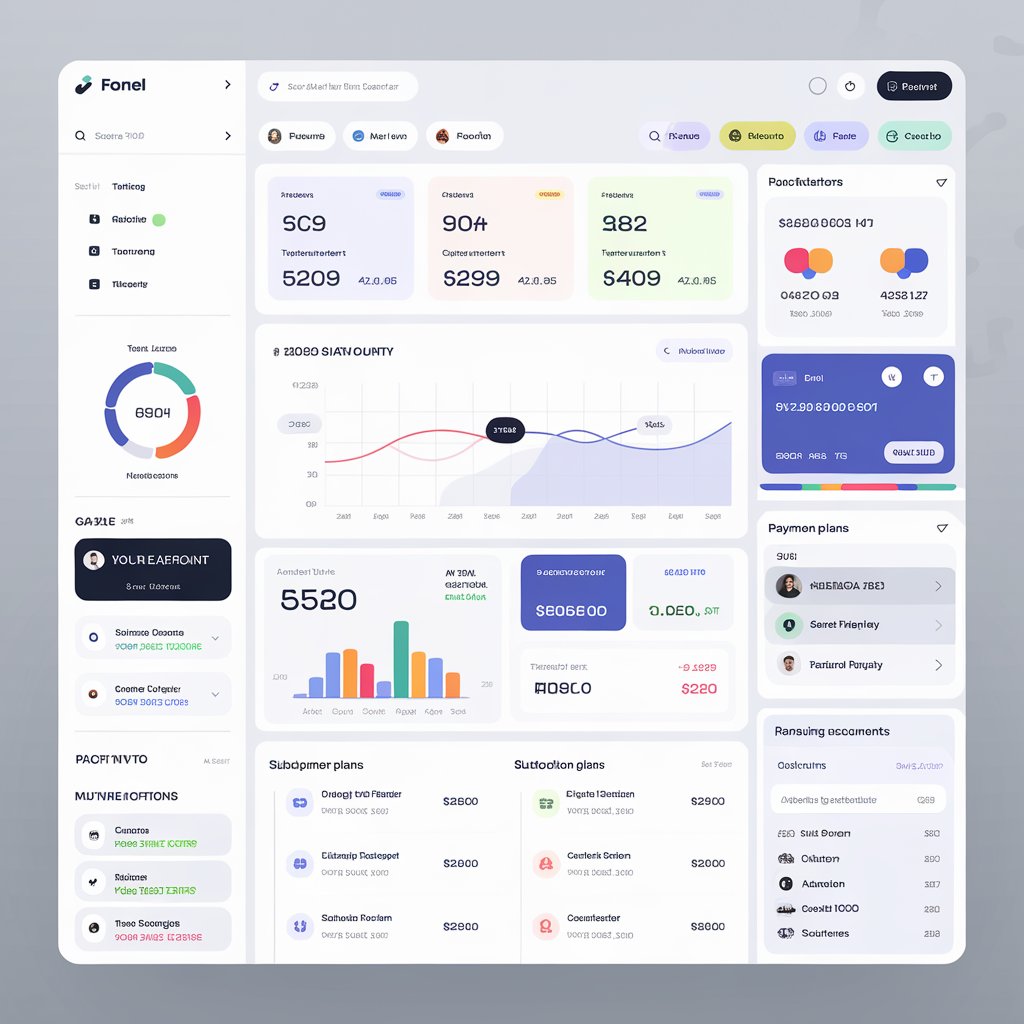
Dive into the comprehensive guide on white-label payment gateways. Understand their features, benefits, and implementation strategies to drive business growth and deliver seamless payment experiences.

Dec 13, 2024
Discover how white-label payment gateways enable businesses to thrive in the digital era, providing customizable, secure, and scalable payment processing solutions tailored to meet diverse needs
Dec 11, 2024
Dive into the additional features offered by white-label payment gateways, such as global compatibility, robust APIs, and cutting-edge security, designed to elevate business operations.