
Apr 1, 2026
How to Build a Fintech App?
Everything you need to plan, build, launch, and scale a fintech product — written by someone who has watched hundreds of them succeed and fail.
<strong>How to Build a Fintech App: Complete Guide to Fintech App Development</strong> Fintech applications are transforming the global financial industry by making banking, payments, lending, investing, and money management faster, smarter, and more accessible. As digital finance adoption continues to grow, businesses and startups are increasingly investing in fintech app development to deliver secure and user-friendly financial services across mobile and web platforms. Building a fintech app requires a combination of financial expertise, advanced technology, strong security infrastructure, regulatory compliance, and seamless user experience design. Whether developing a mobile banking app, digital wallet, payment platform, investment application, or lending solution, businesses must carefully plan every stage of development to ensure scalability, compliance, and customer trust. At TheFinRate, we provide the latest insights, fintech trends, and technology innovations shaping the future of fintech app development worldwide. <strong>What Is a Fintech App?</strong> A fintech app is a digital application that provides financial services through mobile devices, web platforms, or cloud-based systems. Fintech applications support a wide range of financial activities, including: <ul> <li>Mobile banking</li> <li>Digital payments</li> <li>Peer-to-peer money transfers</li> <li>Cryptocurrency trading</li> <li>Investment management</li> <li>Lending and loan services</li> <li>Budgeting and personal finance</li> <li>Insurance services</li> <li>Wealth management</li> <li>Financial analytics</li> </ul> These applications use modern technologies such as artificial intelligence, APIs, blockchain, cloud computing, and cybersecurity systems to deliver secure and scalable financial experiences. <strong>Step 1: Define Your Fintech App Idea</strong> The first step in building a fintech app is identifying the financial problem your application will solve. Common fintech app categories include: <ul> <li>Mobile banking apps</li> <li>Payment and wallet applications</li> <li>Investment platforms</li> <li>Lending apps</li> <li>Cryptocurrency exchanges</li> <li>Insurance technology solutions</li> <li>Expense tracking apps</li> <li>Financial management tools</li> </ul> Clearly defining your target audience, business model, and core features helps create a strong foundation for development. <strong>Step 2: Conduct Market Research</strong> Understanding the competitive landscape is critical before starting development. Research should include: <ul> <li>Competitor analysis</li> <li>Customer pain points</li> <li>Industry trends</li> <li>Regulatory requirements</li> <li>Target market behavior</li> <li>User expectations</li> <li>Emerging fintech technologies</li> </ul> Market research helps businesses identify opportunities and build features that differentiate their fintech app from competitors. <strong>Step 3: Choose the Right Features</strong> The functionality of a fintech app depends on the type of financial service being offered. <strong>Essential Features for Fintech Apps</strong> <strong>User Registration and Authentication</strong> Secure onboarding using biometric login, multi-factor authentication, and identity verification. <strong>Account Management</strong> Users should be able to view balances, transaction history, and financial activity. <strong>Payment and Transfer Capabilities</strong> Support for real-time payments, peer-to-peer transfers, and digital transactions. <strong>Push Notifications</strong> Real-time alerts improve customer engagement and financial transparency. <strong>AI-Powered Analytics</strong> Artificial intelligence can provide budgeting insights, fraud detection, and personalized recommendations. <strong>Customer Support</strong> In-app chatbots, virtual assistants, and live support improve the customer experience. <strong>Security and Fraud Prevention</strong> Encryption, tokenization, and transaction monitoring protect sensitive financial information. <strong>Step 4: Ensure Regulatory Compliance</strong> Compliance is one of the most important aspects of fintech app development. Depending on the region and financial services offered, fintech apps may need to comply with: <ul> <li>PCI DSS</li> <li>GDPR</li> <li>PSD2</li> <li>AML regulations</li> <li>KYC requirements</li> <li>Data protection laws</li> <li>Open banking standards</li> </ul> Working with legal and compliance experts helps reduce regulatory risks during development and deployment. <strong>Step 5: Select the Right Technology Stack</strong> Choosing the right technologies is essential for scalability, security, and performance. <strong>Frontend Technologies</strong> Frontend frameworks are used to build intuitive and responsive user interfaces. <strong>Backend Development</strong> Backend infrastructure manages business logic, APIs, databases, and transaction processing. <strong>Cloud Infrastructure</strong> Cloud platforms improve scalability, uptime, and operational flexibility. <strong>APIs and Payment Gateways</strong> APIs connect fintech apps with banks, payment processors, and financial networks. <strong>Database Management</strong> Secure databases store transaction records, customer information, and financial data. <strong>Cybersecurity Solutions</strong> Encryption, authentication systems, and fraud monitoring tools strengthen platform security. <strong>Step 6: Design an Intuitive User Experience</strong> User experience plays a major role in fintech app adoption and retention. Key UX priorities include: <ul> <li>Simple navigation</li> <li>Fast onboarding</li> <li>Clear financial dashboards</li> <li>Responsive mobile design</li> <li>Personalized experiences</li> <li>Quick transaction processing</li> <li>Accessible customer support</li> </ul> A clean and intuitive design helps build customer trust and engagement. <strong>Step 7: Develop and Test the App</strong> After planning and design, the development process begins. <strong>Agile Development</strong> Many fintech companies use agile development methodologies to release features incrementally and improve flexibility. <strong>Security Testing</strong> Security testing helps identify vulnerabilities, fraud risks, and data protection issues. <strong>Performance Testing</strong> Testing ensures the application can handle high transaction volumes and user traffic. <strong>Compliance Validation</strong> Fintech applications should be tested for regulatory and security compliance before launch. <strong>Step 8: Launch and Monitor the Application</strong> After development and testing, the fintech app can be deployed to production environments and app stores. <strong>Post-Launch Monitoring</strong> Continuous monitoring helps identify performance issues, security threats, and customer experience improvements. <strong>Analytics and User Feedback</strong> User behavior analytics and feedback help businesses improve functionality and optimize engagement. <strong>Regular Updates</strong> Fintech apps require continuous updates to maintain security, scalability, and compliance with evolving regulations. <strong>Technologies Used in Fintech App Development</strong> Modern fintech applications rely on advanced technologies to improve performance and innovation. <strong>Artificial Intelligence</strong> AI powers fraud detection, customer personalization, financial analytics, and intelligent automation. <strong>Blockchain Technology</strong> Blockchain improves payment security, transparency, and decentralized financial operations. <strong>Cloud Computing</strong> Cloud infrastructure supports scalability, high availability, and operational efficiency. <strong>Open Banking APIs</strong> APIs enable integration with financial institutions and third-party services. <strong>Machine Learning</strong> Machine learning models help identify fraud patterns and improve financial decision-making. <strong>Challenges in Building a Fintech App</strong> <strong>Security Risks</strong> Fintech apps handle sensitive financial information and are primary targets for cyberattacks. <strong>Regulatory Complexity</strong> Financial regulations vary across regions and require ongoing compliance management. <strong>Integration Challenges</strong> Connecting with banks, payment gateways, and legacy systems can be technically complex. <strong>Scalability Requirements</strong> Applications must support growing user bases and increasing transaction volumes efficiently. <strong>Customer Trust</strong> Reliable performance and strong security are essential for user adoption and retention. <strong>Benefits of Building a Fintech App</strong> Businesses investing in fintech applications gain several competitive advantages: <ul> <li>Faster financial operations</li> <li>Improved customer experiences</li> <li>Increased automation</li> <li>Reduced operational costs</li> <li>Enhanced security</li> <li>Greater financial accessibility</li> <li>Real-time transaction capabilities</li> <li>Scalable digital infrastructure</li> </ul> Fintech apps continue driving digital transformation across the global financial industry. <strong>The Future of Fintech Apps</strong> The future of fintech app development will be shaped by: <ul> <li>AI-powered financial assistants</li> <li>Embedded finance ecosystems</li> <li>Open banking innovation</li> <li>Real-time payment systems</li> <li>Decentralized finance platforms</li> <li>Biometric authentication</li> <li>Hyper-personalized financial services</li> <li>Blockchain-based financial infrastructure</li> </ul> As technology evolves, fintech apps will continue redefining how consumers and businesses access financial services. <strong>Why Fintech App Development Matters</strong> Fintech applications are becoming essential for modern banking, payments, lending, investing, and digital commerce. Businesses that invest in secure and scalable fintech app development are better positioned to meet evolving customer expectations and compete in digital financial markets. At TheFinRate, we explore the latest fintech technologies, software innovations, payment trends, and digital transformation strategies shaping the future of financial services worldwide. <strong>Frequently Asked Questions</strong> <strong>How do you build a fintech app?</strong> Building a fintech app involves market research, feature planning, UI/UX design, technology selection, compliance management, development, testing, and deployment. <strong>What technologies are used in fintech apps?</strong> Technologies include artificial intelligence, blockchain, APIs, cloud computing, cybersecurity tools, and machine learning. <strong>How much does fintech app development cost?</strong> Development costs depend on features, complexity, compliance requirements, integrations, and development timelines. <strong>Why is security important in fintech apps?</strong> Fintech applications process sensitive financial information, making cybersecurity and fraud prevention critical. <strong>What features should a fintech app include?</strong> Common features include authentication, payments, account management, analytics, transaction tracking, and fraud prevention. <strong>What is the future of fintech app development?</strong> The future includes AI-powered finance, embedded banking, blockchain integration, and intelligent automation across financial services.
8 articles
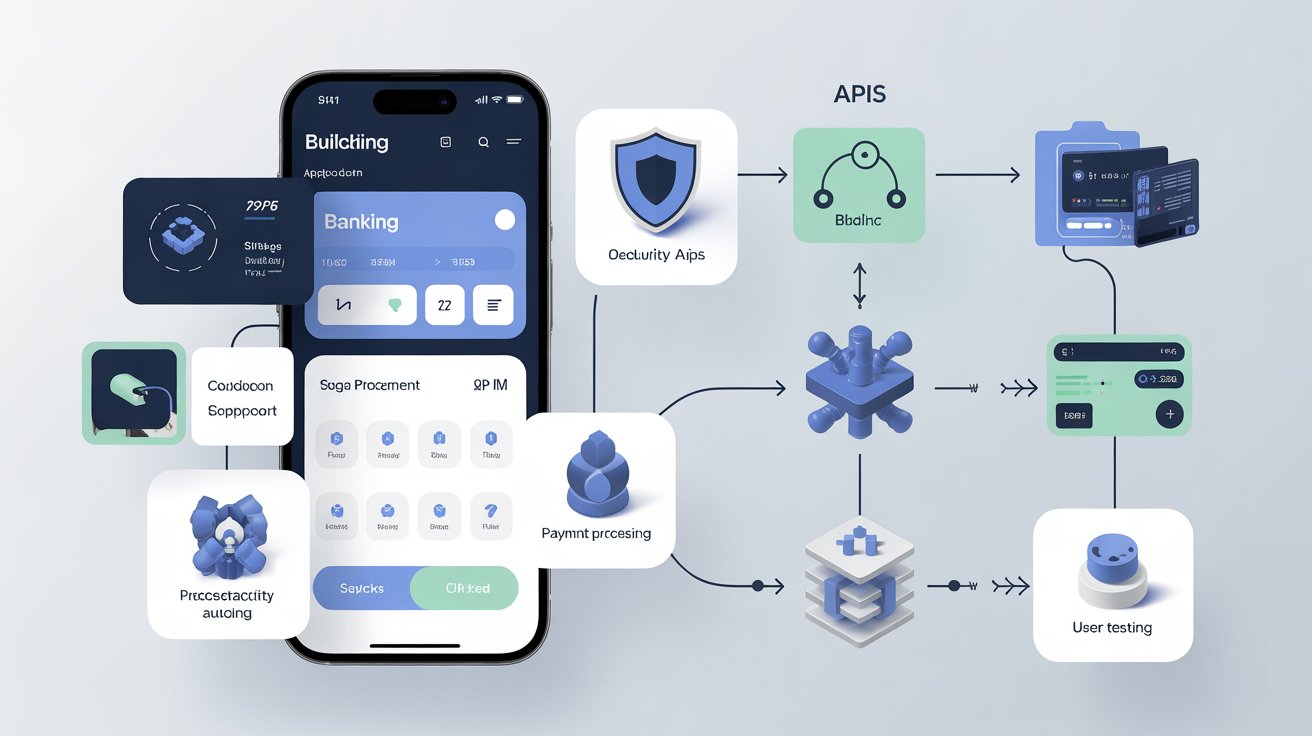
Apr 1, 2026
Everything you need to plan, build, launch, and scale a fintech product — written by someone who has watched hundreds of them succeed and fail.
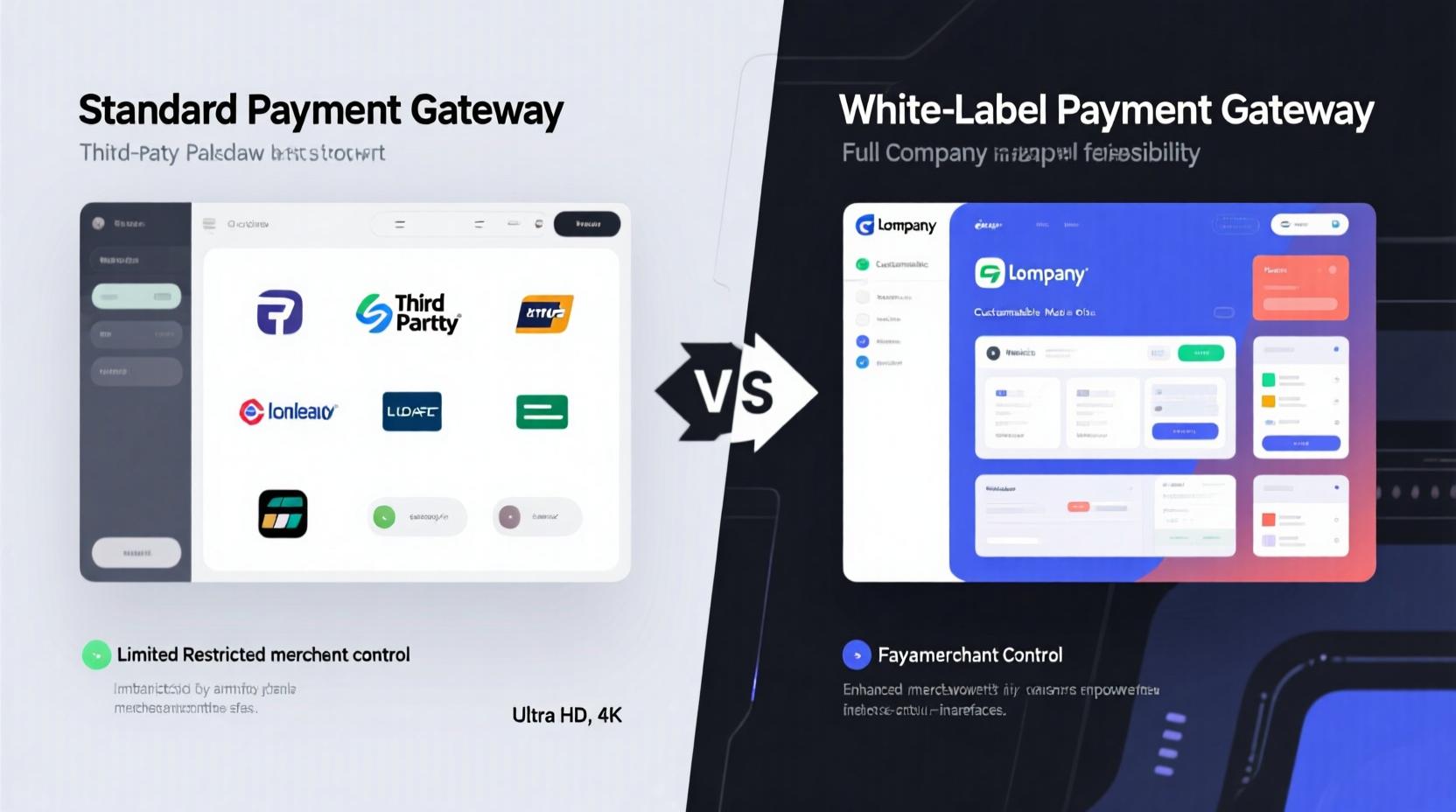
Aug 21, 2025

Dec 13, 2024
Learn how white-label payment gateway solutions can be customized to reflect your brand’s identity, improve customer experience, and streamline payment processing for better business efficiency.
Dec 13, 2024
Learn how white-label payment gateways enable businesses to handle international transactions with ease, offering security, scalability, and custom branding for a global payment experience.
Dec 13, 2024
Learn how white-label payment gateways can help small businesses offer secure, branded, and efficient payment solutions. Explore their benefits, from scalability to cost savings, tailored for growing enterprises.
Dec 13, 2024
Dive into the comprehensive guide on white-label payment gateways. Understand their features, benefits, and implementation strategies to drive business growth and deliver seamless payment experiences.

Dec 13, 2024
Discover how white-label payment gateways enable businesses to thrive in the digital era, providing customizable, secure, and scalable payment processing solutions tailored to meet diverse needs
Dec 11, 2024
Dive into the additional features offered by white-label payment gateways, such as global compatibility, robust APIs, and cutting-edge security, designed to elevate business operations.