
May 30, 2026

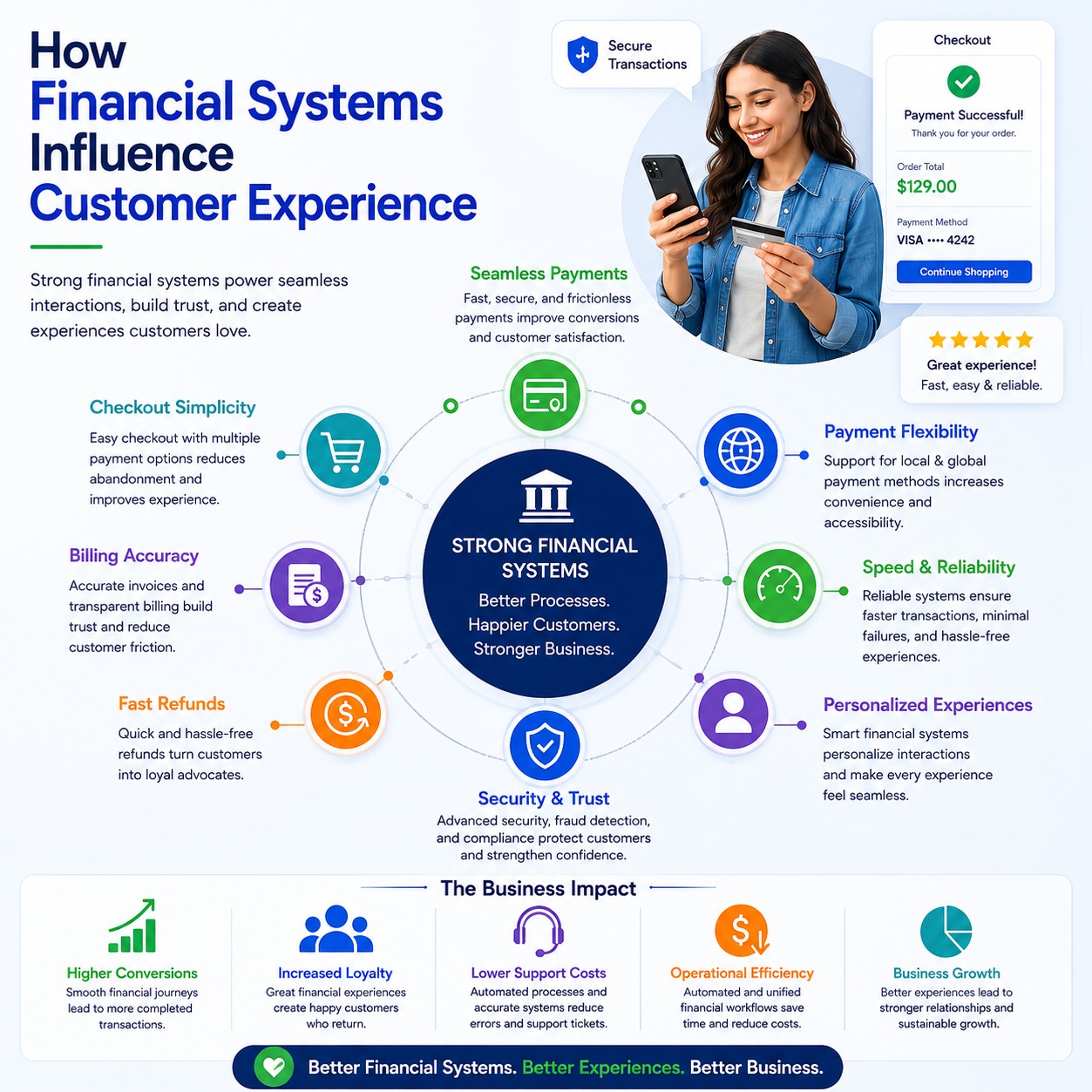
In the digital economy, a strong and reliable payment infrastructure is critical to ensuring that businesses can handle transactions securely, efficiently, and seamlessly. Payment infrastructure refers to the underlying system of technologies, networks, and processes that facilitate the transfer of funds between buyers and sellers. This ecosystem includes various components such as payment gateways, processors, networks, security protocols, and regulatory frameworks, all working together to ensure that payments can be made quickly and securely across different platforms and geographies. For businesses, having a well-designed payment infrastructure is essential to delivering a smooth customer experience. When customers make purchases online or through mobile apps, they expect transactions to be quick, easy, and secure. If a business’s payment infrastructure is outdated or prone to errors, it can lead to failed transactions, security breaches, and a loss of customer trust. One of the most important components of payment infrastructure is the payment gateway, which acts as the bridge between a business and its customers. The gateway encrypts sensitive payment information and routes it securely to the payment processor. A strong payment gateway should support various payment methods, including credit cards, digital wallets, and alternative payment options such as Buy Now, Pay Later (BNPL) services. It must also comply with stringent security standards, such as PCI-DSS, to ensure that customers’ payment details are protected. Payment processors are another crucial part of the infrastructure. They handle the heavy lifting of transaction processing, ensuring that funds move from the customer’s bank to the merchant’s account. Processors often work in partnership with card networks like Visa, Mastercard, and American Express, which authorize and clear the transaction. For global businesses, the ability to accept payments from international customers requires a payment processor with strong cross-border capabilities, currency conversion tools, and compliance with international regulations. The emergence of cloud-based payment systems has revolutionized the way payment infrastructure is managed. Instead of relying on traditional, on-premise hardware, businesses can now use cloud-based solutions that offer scalability, flexibility, and cost-efficiency. These cloud systems can integrate with existing payment platforms, allowing businesses to quickly adapt to new payment technologies and offer services like mobile payments, recurring billing, and subscription management. Additionally, the security of payment infrastructure is paramount. Cyberattacks and data breaches are a constant threat, and businesses must implement strong security measures to protect themselves and their customers. Encryption, tokenization, and two-factor authentication are some of the technologies used to secure payment infrastructure. By encrypting sensitive data, businesses can ensure that even if hackers gain access to their systems, they cannot easily read or misuse payment information. Regulatory compliance is another key element of payment infrastructure. Businesses that operate in multiple regions must comply with the payment regulations of each market. For example, the European Union's PSD2 directive requires strong customer authentication for online transactions, while in the United States, businesses must comply with the Gramm-Leach-Bliley Act (GLBA) to protect customers' financial data. Ensuring that the payment infrastructure is compliant with local and international regulations is essential to avoiding fines and penalties. Finally, businesses must ensure that their payment infrastructure can scale as they grow. A payment system that works well for a small business may not be able to handle the transaction volume of a large, global enterprise. As businesses expand, they need payment infrastructure that can support higher transaction volumes, new payment methods, and global operations. This means working with payment providers who can offer scalable solutions and provide technical support as transaction demands increase. In conclusion, payment infrastructure is the backbone of any business's financial operations. It ensures that transactions are processed smoothly, securely, and in compliance with regulatory standards. As payment technologies evolve, businesses must invest in modern, scalable, and secure payment infrastructure to stay competitive in a rapidly changing marketplace. By doing so, they can enhance customer satisfaction, reduce operational risks, and open the door to new revenue streams.
127 articlesPage 11 of 13

May 27, 2026
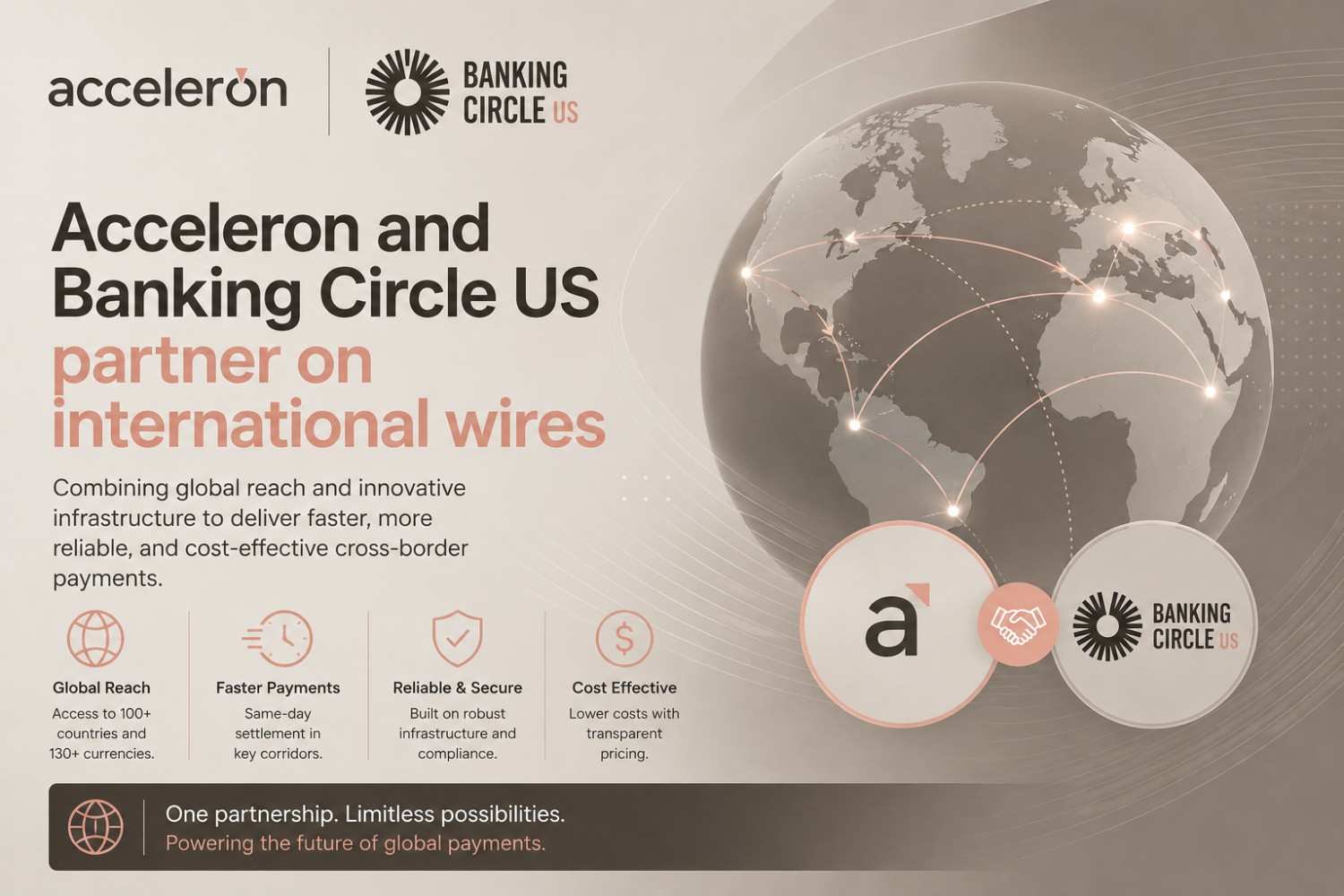

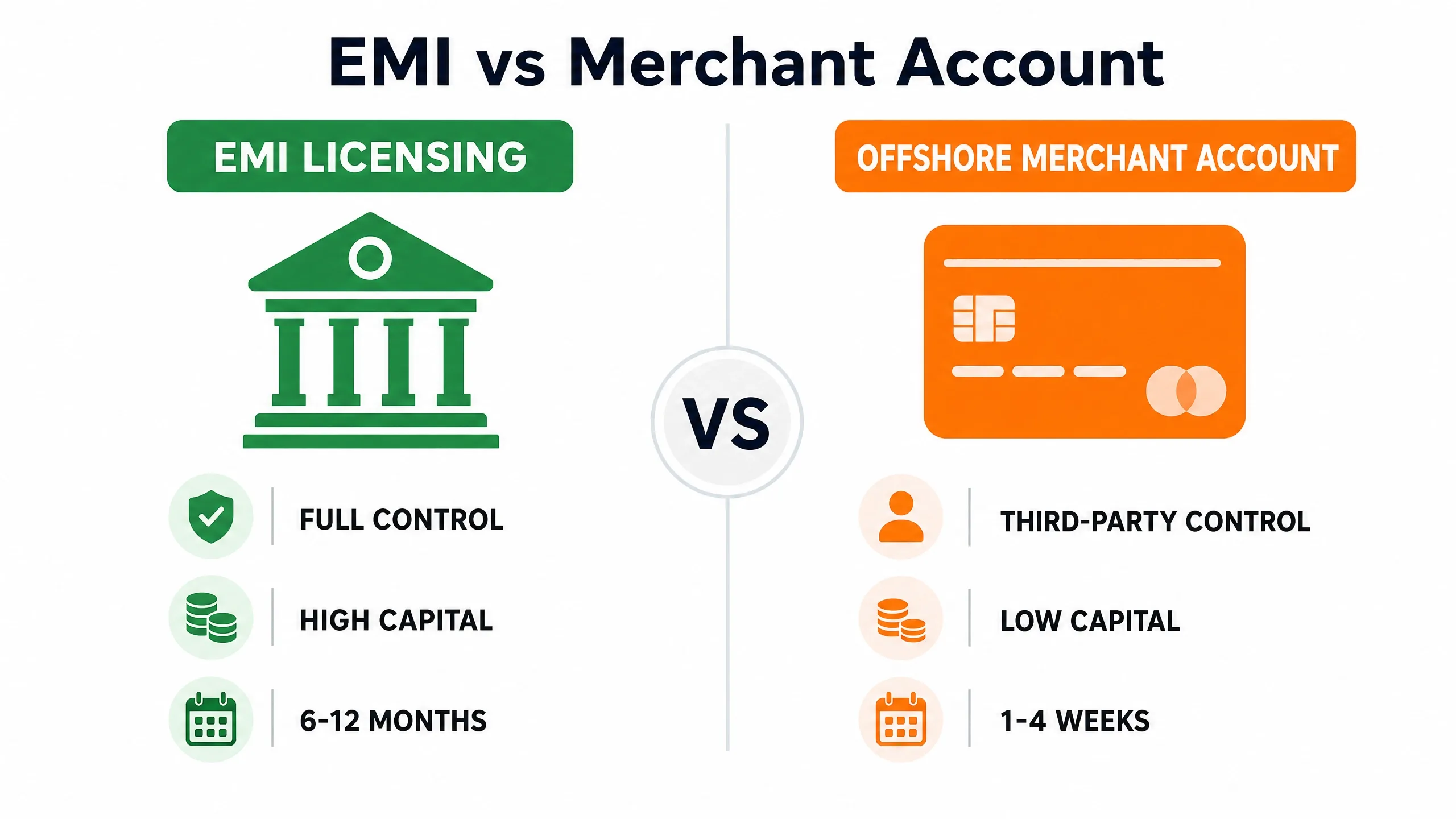
May 19, 2026
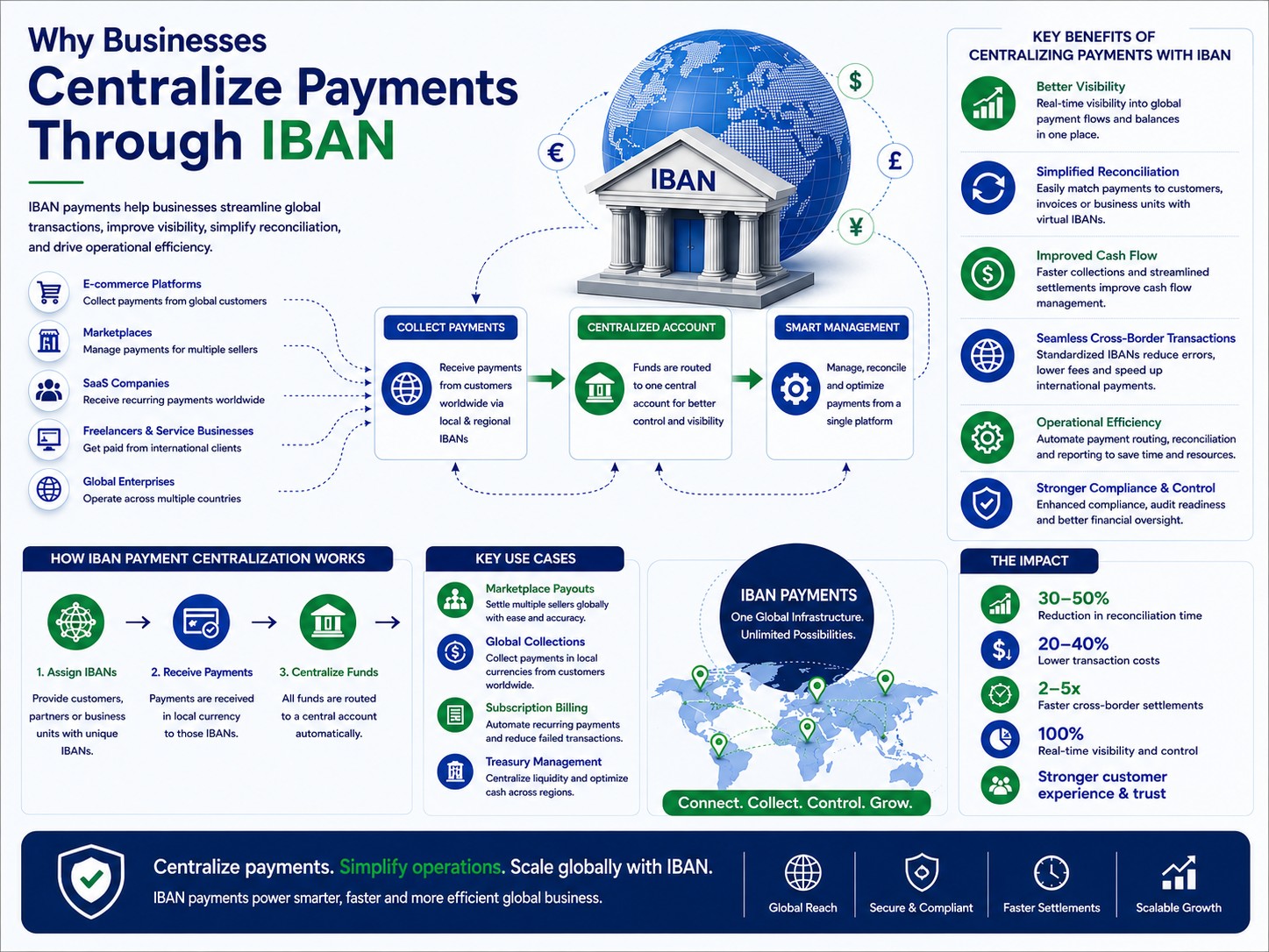
May 15, 2026
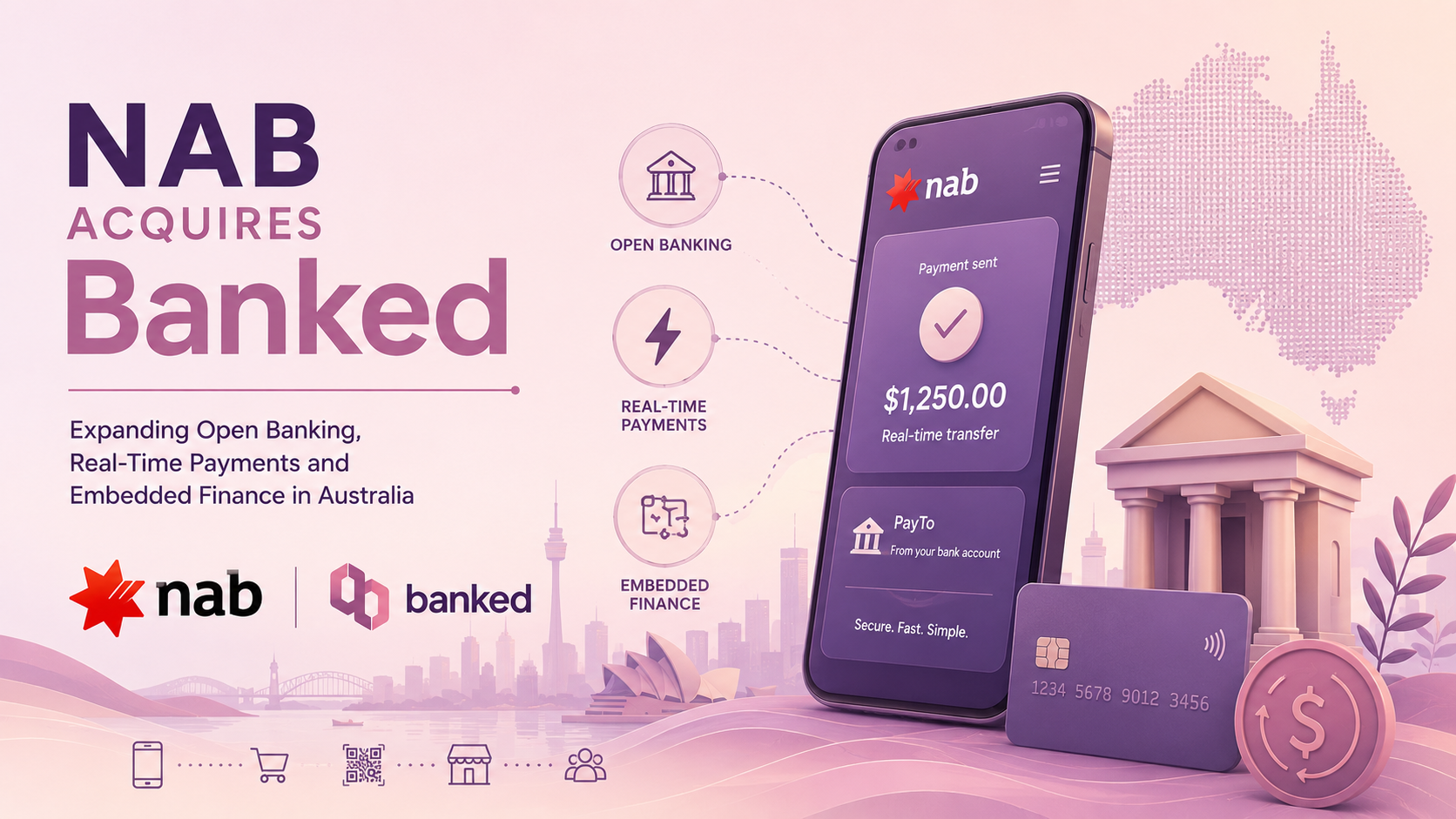
NAB has acquired full ownership of fintech partner Banked, strengthening its position in Australia’s growing open banking and real-time payments sector. The move highlights the rising importance of embedded finance, account-to-account payments, and digital banking innovation.