
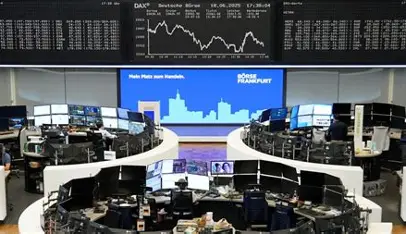
European Stocks decline as geopolitical concerns weigh on markets
European Stocks moved lower as investors reacted to rising tensions in the Middle East, prompting caution across regional equity markets.
Moreover, geopolitical uncertainty increased risk concerns among investors, leading to weaker sentiment across several sectors. As a result, many European markets traded lower despite gains in selected stocks.
Furthermore, shares of Industria de Diseño Textil (Inditex), the owner of the Zara brand, outperformed the broader market and helped limit some losses. Consequently, European Stocks remained a major focus for investors monitoring global developments.
European Stocks react to geopolitical uncertainty
The latest movement in European Stocks reflects growing investor caution.
Several factors influencing markets include:
- Middle East tensions
- Energy market concerns
- Risk-off sentiment
- Global economic uncertainty
- Investor caution
Moreover, geopolitical events often influence financial markets because they can affect trade, energy supplies, and economic growth expectations. Because uncertainty remains elevated, investors continue monitoring developments closely.
Furthermore, market participants often move toward safer assets during periods of uncertainty. As a result, equity markets may experience increased volatility.
European Stocks face pressure from risk sentiment
The decline in European Stocks highlights the impact of changing investor sentiment.
Moreover, investors often reassess risk exposure when geopolitical events create uncertainty. Because global markets are interconnected, developments in one region can affect trading activity worldwide.
Furthermore, sectors linked to economic growth may face additional pressure during uncertain periods. Consequently, investors continue evaluating potential risks.
Additionally, market sentiment remains sensitive to geopolitical headlines.
Inditex gains despite broader market weakness
While European Stocks generally moved lower, Inditex shares recorded gains.
Key factors supporting the company include:
- Strong brand recognition
- Global retail presence
- Investor confidence
- Market resilience
- Business performance expectations
Moreover, companies with strong operational performance can sometimes outperform broader market trends. Because investors continue seeking quality businesses, selected stocks may attract buying interest even during weaker trading sessions.
Furthermore, positive company-specific developments can support share prices. As a result, Inditex stood out among European equities.
European Stocks reflect broader market trends
The performance of European Stocks mirrors broader trends affecting global financial markets.
Moreover, investors continue balancing economic opportunities against geopolitical risks. Because uncertainty can influence market behaviour, traders remain focused on both political and economic developments.
Furthermore, energy prices, inflation expectations, and central bank policies continue influencing investment decisions. Consequently, market conditions remain dynamic.
Additionally, global events continue shaping investor outlooks.
Geopolitical tensions affect market confidence
The recent decline in European Stocks demonstrates how geopolitical events can affect confidence.
Several concerns include:
- Economic disruption risks
- Energy market volatility
- Trade uncertainty
- Investment caution
- Market fluctuations
Moreover, investors often prefer a cautious approach when uncertainty rises. Because geopolitical events can develop quickly, financial markets frequently respond immediately.
Furthermore, uncertainty may influence both short-term and long-term investment strategies. As a result, market participants remain alert to new developments.
Comparison between stable and uncertain market conditions
| Feature | Stable Market Conditions | Uncertain Market Conditions |
|---|---|---|
| Investor Confidence | Higher | Lower |
| Market Volatility | Lower | Higher |
| Risk Appetite | Stronger | Reduced |
| Equity Performance | More Stable | More Variable |
| Trading Activity | Consistent | Reactive |
Moreover, this comparison highlights why geopolitical events often influence equity market performance.
European Stocks remain under close watch
The latest movement in European Stocks has reinforced the importance of monitoring geopolitical developments.
Moreover, investors continue assessing how global events could affect economic growth and corporate earnings. Because market conditions can change rapidly, flexibility remains important.
Furthermore, European equities remain influenced by both regional and international developments. Consequently, market participants continue following news closely.
Additionally, investor sentiment may shift as new information emerges.
Future outlook for European Stocks
The future direction of European Stocks will depend on geopolitical developments, economic data, and broader market conditions.
Moreover, easing tensions could support a recovery in investor confidence. Because markets often react to changing risk perceptions, developments in global affairs may remain a key driver.
Furthermore, company earnings and economic performance will continue influencing equity valuations. As a result, investors are expected to remain focused on both geopolitical and financial factors.
Additionally, market volatility may persist while uncertainty remains elevated.
Final Thoughts
The decline in European Stocks highlights how geopolitical tensions can influence investor sentiment and market performance.
Moreover, rising uncertainty in the Middle East has encouraged caution across equity markets. As a result, many European shares moved lower despite gains from companies such as Inditex.
Ultimately, European Stocks will continue reflecting a combination of geopolitical developments, economic conditions, and company-specific performance as investors navigate an evolving market environment.
European stocks dip on Mideast tensions; Zara owner Inditex gains | Reuters
Comments
No comments yet. Be the first to share your thoughts.
Leave a comment