
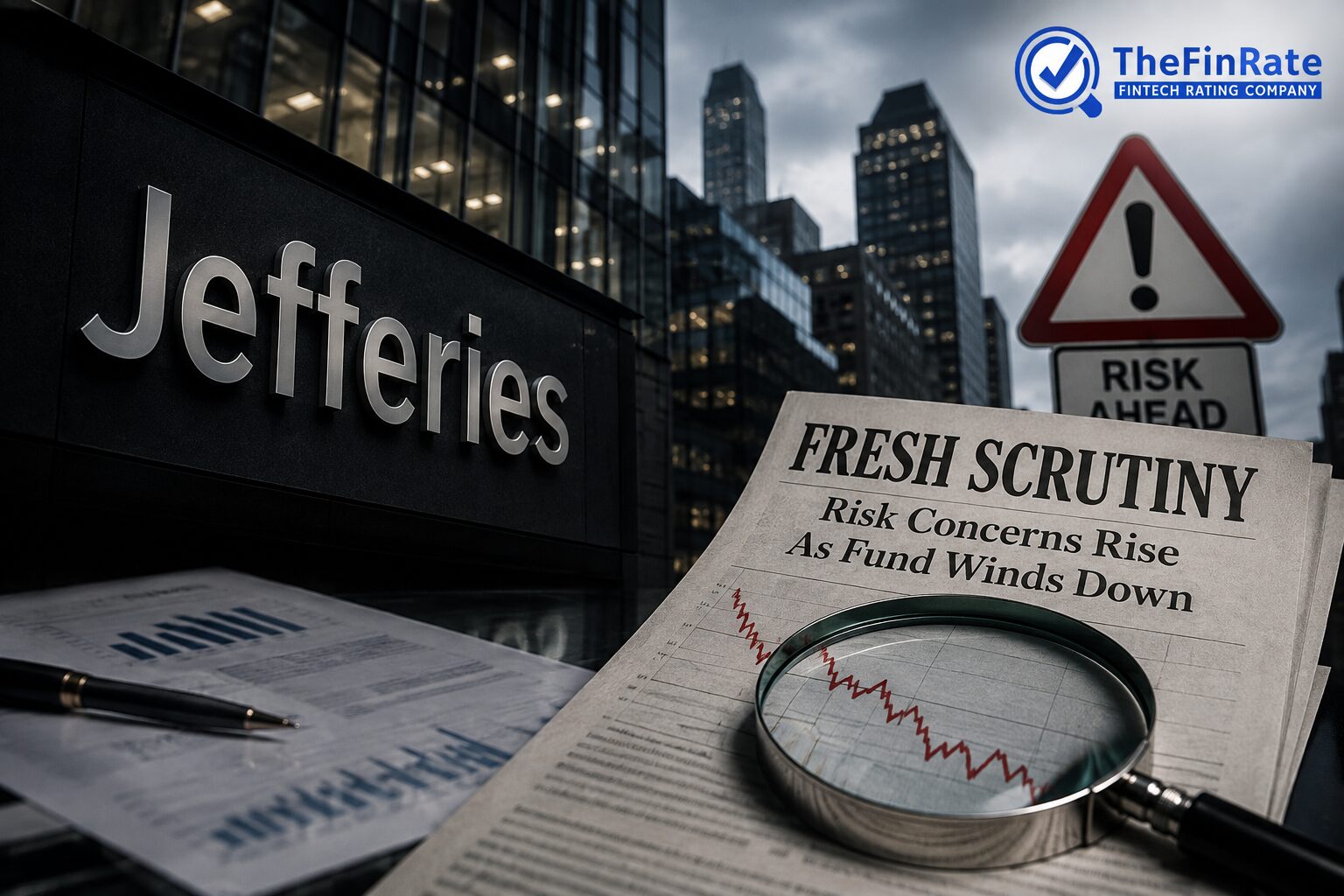
Jefferies Faces Fresh Trouble as Shuttering Fund Draws New Scrutiny
Jefferies Financial Group is facing renewed trouble because of a fund it is already closing. The latest problems involve the fund’s investments in troubled trade finance assets, including exposure linked to the bankruptcy of First Brands Group.
Bloomberg reported on 3 August 2026 that the fund’s exposure has fallen significantly from its earlier peak. People familiar with the matter said it is now below $300 million. Although Jefferies has reduced the exposure, investors still have questions about how the company manages risk in its private credit and trade finance business.
Jefferies has not issued a public announcement about the latest report. However, the remaining issues suggest that the fund’s problems have not disappeared even though the closure process continues.
## The fund was already closing
The fund at the center of the latest report was not a new investment vehicle. Jefferies had already started the process of shutting it down before these additional concerns emerged.
That detail matters because it shows that the company had already begun reducing its involvement with the fund. However, the remaining assets continue to attract attention.
Bloomberg reported that investigators found discrepancies in some of the paperwork supporting certain trade finance transactions. Those findings triggered fresh scrutiny of the fund.
First Brands exposure remains a concern
Much of the concern focuses on the fund’s investments linked to First Brands Group, an automotive parts supplier that entered bankruptcy proceedings.
Jefferies had previously disclosed that one of its trade finance funds held significant exposure connected to First Brands receivables. These funds usually invest in short-term receivables that companies owe to suppliers or lenders.
When a major borrower enters financial distress, recovering that money becomes much more difficult.
That challenge remains one of the main reasons the fund continues to face pressure.
Why investors are paying attention
The latest developments matter because they affect a part of the financial market that has grown rapidly in recent years.
Many investors have poured money into private credit and trade finance because they want higher returns than traditional bond investments usually provide. However, these assets can be less liquid and harder to value.
When problems appear, investors want clear answers. They want to know how quickly a firm can reduce its exposure and whether it valued the assets correctly.
The fact that the exposure has dropped below $300 million shows that Jefferies has made progress. However, the continued scrutiny suggests that important issues still need attention.
A broader question about private credit
The situation also raises broader questions about private credit and alternative financing.
These investments often involve complex financing structures. Their performance depends on documentation, collateral quality, and the financial health of the companies involved.
That makes strong internal controls and careful due diligence especially important.
Investors increasingly want to know whether firms have enough safeguards in place when they finance trade receivables and other private assets.
What this could mean for Jefferies
At this stage, the issue involves a fund that was already closing rather than a new expansion of risk.
That distinction matters because the main challenge involves managing the remaining assets and completing the wind-down process.
The additional scrutiny could still affect investor confidence in Jefferies’ trade finance and alternative asset management operations. It could also increase attention on the company’s disclosures about private credit exposures.
Jefferies now needs to show that it can manage the remaining risks effectively and complete the fund’s closure without major surprises.
The bigger picture
The latest developments fit into a broader trend across global finance. Investors and regulators have increased their focus on private credit, trade finance, and other less transparent financing markets.
As these markets have grown, scrutiny of valuation practices, documentation standards, and risk management has also increased.
Jefferies’ situation shows that a fund can continue to create problems even after a company decides to shut it down.
The bottom line
Jefferies is facing fresh scrutiny because of a fund it was already closing. Although the company has reduced the fund’s exposure, concerns about First Brands receivables and trade finance documentation continue to attract attention.
The episode reminds investors that managing the exit from troubled assets can be just as important as managing the original investment.
Comments
No comments yet. Be the first to share your thoughts.
Leave a comment