
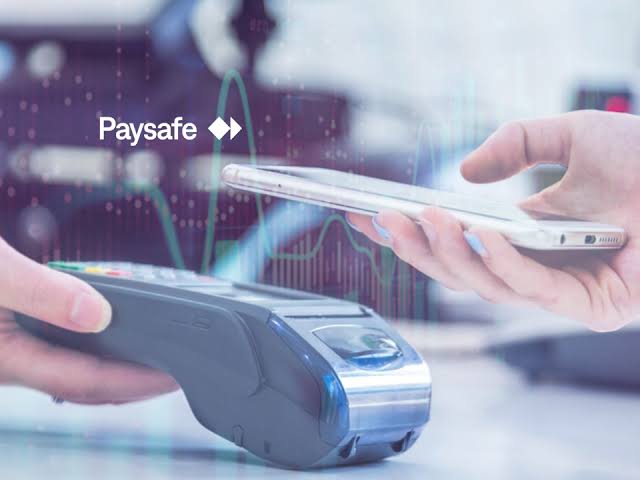
Paysafe has expanded its PaysafeWallet digital wallet into Croatia, Bulgaria and Estonia, completing its rollout across all euro-area markets and extending its reach to consumers seeking flexible ways to manage cash and digital payments.
Announced on October 28, 2026, the expansion makes PaysafeWallet available in the three markets through the existing PaysafeCard app. The wallet combines cash top-ups with an IBAN account, a Mastercard debit card, mobile payments and transfers across the Single Euro Payments Area (SEPA).
The move strengthens Paysafe’s European payments strategy by connecting its established cash-based payment services with features commonly associated with digital banking. Rather than requiring users to rely solely on traditional bank transfers or card payments, the wallet offers several ways to fund, move and spend money.
According to Paysafe, the company processed $167 billion in annualised payment volume in 2025. Its latest expansion extends the wallet’s geographic reach while giving the company a broader platform for serving consumers across Europe.
What PaysafeWallet Offers Consumers
Consumers in Croatia, Bulgaria and Estonia can access PaysafeWallet through the PaysafeCard app. The product brings cash and digital money management into one experience.
Its main features include:
- IBAN account: Users can manage funds through an account with an International Bank Account Number.
- Mastercard debit card: The personal debit card supports online and in-store payments.
- Cash top-ups: Users can add funds through PaysafeCard.
- Bank transfers: Accounts can also be funded through bank transfers.
- Mobile payments: The wallet supports Apple Pay and Google Pay.
- SEPA transfers: Users can send and receive payments across the euro area.
- Peer-to-peer payments: Consumers can send money to friends and family.
- Account payouts: Users can receive payouts directly into their accounts.
These features combine different payment methods within a single application. Consumers can fund a wallet with cash, use a debit card for everyday spending, or move money through bank transfers and SEPA payments.
The approach may appeal to people who want digital payment convenience without relying exclusively on conventional banking channels. However, actual adoption will depend on customer needs, pricing, service availability and the experience offered in each market.
PaysafeWallet Now Covers All Euro-Area Markets
The launch in Croatia, Bulgaria and Estonia completes PaysafeWallet’s rollout across all euro-area markets, alongside Poland.
According to the company’s announcement, the wallet is available in Austria, Belgium, Bulgaria, Croatia, Cyprus, Estonia, Finland, France, Germany, Greece, Ireland, Italy, Latvia, Lithuania, Luxembourg, Malta, the Netherlands, Poland, Portugal, Slovakia, Slovenia and Spain.
This footprint gives Paysafe a broad European base for its cash-to-digital payment model.
SEPA connectivity is an important part of that proposition. It allows users to send and receive eligible euro payments across participating markets through a common payment framework. Combined with a debit card and mobile wallet support, this gives consumers several options for everyday transactions.
Nevertheless, geographic coverage does not automatically translate into strong usage. Paysafe will need to attract customers, encourage repeat transactions and compete with established banks and digital wallet providers in each market.
Why the Cash-to-Digital Model Matters
Digital payments have expanded across Europe, but consumers do not all use financial services in the same way. Some prefer bank transfers and mobile wallets, while others value the ability to add cash to a digital account.
PaysafeWallet brings these approaches together. Its PaysafeCard funding option links the company’s established eCash business with a broader wallet offering that includes an IBAN and debit card.
This gives Paysafe a way to serve consumers who want to move between cash and digital payments without treating them as separate financial experiences.
The model also places Paysafe in a competitive segment that includes neobanks, digital wallets and payment applications. These providers increasingly combine transfers, cards and mobile payments within a single interface.
For Paysafe, the opportunity is to use its existing payment infrastructure and brand recognition to expand wallet adoption across more markets. For consumers, the potential benefit is greater flexibility in how they fund and use their money.
The commercial challenge is differentiation. IBAN accounts, debit cards and mobile payments are already available from many providers. Paysafe will need to demonstrate that combining these services with cash top-ups delivers a meaningful advantage.
Paysafe’s Wider Payments Strategy
Paysafe operates across several payment categories, including card processing, digital wallets and eCash products. Its portfolio includes PaysafeWallet, Skrill and PaysafeCard, serving businesses and consumers across sectors such as digital commerce, gaming, travel, hospitality and online trading.
The wallet expansion fits this wider strategy by connecting cash-based funding with mainstream digital payment methods.
The company reported approximately 2,800 employees across 12 countries, alongside $167 billion in annualised payment volume in 2025. These figures provide context for the scale of its payments operations, although they do not measure PaysafeWallet’s individual performance.
The latest announcement also does not disclose the number of wallet users in the three newly added markets, customer acquisition targets or expected revenue from the expansion.
As a result, the rollout should be viewed primarily as a geographic and product expansion rather than evidence of a specific financial impact.
What Comes Next for PaysafeWallet?
With the three additional launches, Paysafe has completed a major stage of its European rollout. The next challenge will be converting availability into active usage and long-term customer relationships.
Key indicators will include wallet adoption, transaction frequency, customer retention and the share of payments funded through cash, bank transfers or cards. The company’s ability to deliver a reliable experience across markets will also influence its competitive position.
The wider payments market is moving towards services that combine multiple funding and spending options. In that environment, PaysafeWallet’s cash-to-digital model gives the company a distinct proposition to develop, but it must still compete on convenience, trust and value.
The significance of this expansion goes beyond adding three countries. Paysafe is extending a single wallet across the euro area while connecting cash funding with digital banking-style features. Whether that broad reach becomes a lasting competitive advantage will depend on how many consumers adopt the service and continue using it.
Payment professionals know their day doesn’t begin until they read Payments News.
Comments
No comments yet. Be the first to share your thoughts.
Leave a comment