
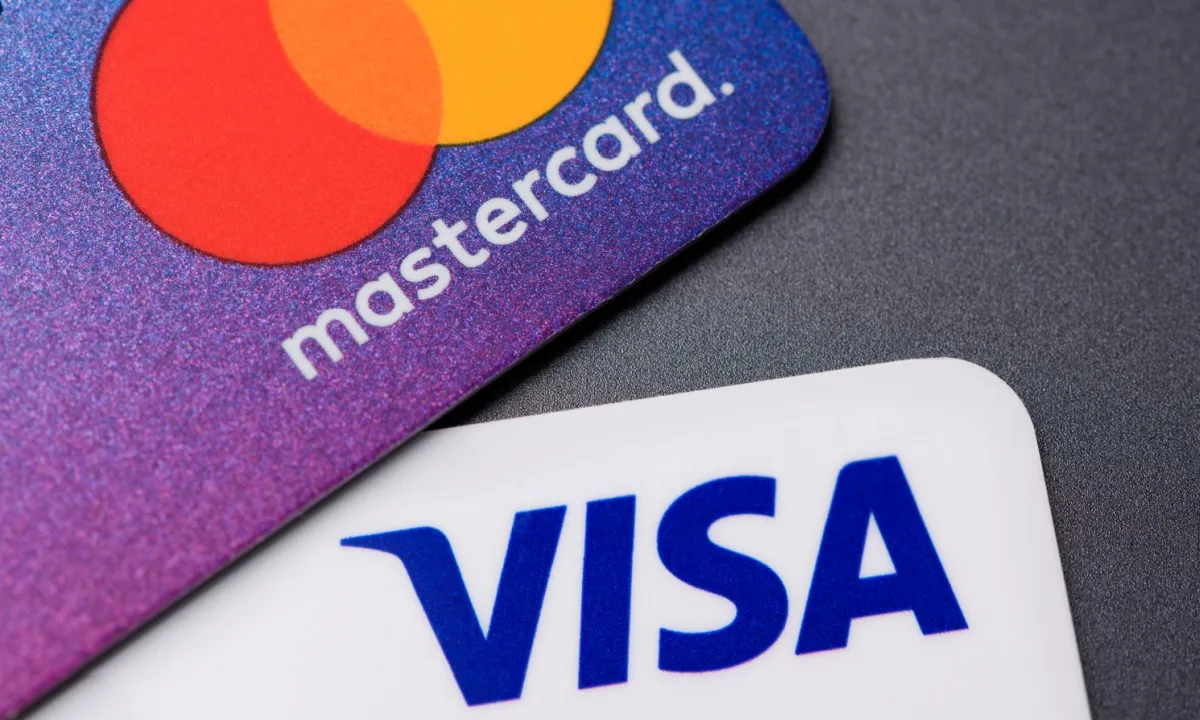
Visa and Mastercard are facing proposed UK group claims worth an estimated £5 billion over allegations that their card payment fees have overcharged businesses. Law firms Harcus Parker and Hausfeld filed applications at the Competition Appeal Tribunal (CAT) on October 26, 2026, seeking compensation for businesses that accepted the networks’ consumer debit, credit, and prepaid cards.
The claims concern multilateral interchange fees (MIFs), which Visa and Mastercard set and businesses pay through their banks when customers use payment cards. The proposed claimants argue that these fees restrict competition and have increased the costs borne by UK merchants.
The estimated value includes alleged overcharges and interest for the period from October 2020 to October 2026. However, the £5 billion figure is an estimate associated with the proposed litigation, not a compensation award or a finding that the networks owe that amount. Both companies dispute the basis of the claims.
Why Visa and Mastercard Face a £5 Billion Claim
When customers pay with a card, merchants generally pay fees to their payment service providers or acquiring banks. Those costs can include interchange fees, scheme fees, and other charges.
Interchange fees form part of the economics of card payments. They help support the payment ecosystem, but their level can also affect the cost of accepting card transactions for businesses.
The proposed claim argues that the way Visa and Mastercard set multilateral interchange fees has restricted competition, leaving businesses paying more than they otherwise would.
The legal action seeks to recover alleged overcharges across six years of transactions. Its potential scale reflects the widespread use of card payments across the UK economy, from small retailers and hospitality businesses to large companies and charities.
The case will need to proceed through the Competition Appeal Tribunal’s collective proceedings framework. Filing an application does not, by itself, establish liability or guarantee that the claims will be certified or succeed.
Which UK Businesses Could Be Included?
The proposed actions use two different routes for businesses, depending on their size.
Under the proposed opt-out proceedings led by Hausfeld, eligible UK-domiciled businesses with annual group turnover below £100 million during 2022–2024 would generally be included automatically unless they opt out.
Harcus Parker is pursuing an opt-in route for eligible larger businesses with annual group turnover of £100 million or more during the same period. Those businesses would need to actively join the proceedings.
The claims cover UK businesses that accepted consumer debit, credit, or prepaid cards issued under the Visa and Mastercard networks during the relevant claim period. Businesses that have already brought or settled claims concerning these consumer-card transactions may be excluded from participation. Eligibility will depend on the detailed conditions of the proceedings.
The potential reach is significant. The Guardian reported that around one million smaller businesses, organizations, and charities could be covered by the proposed opt-out action.
If the claims proceed and succeed, smaller businesses could receive compensation worth thousands of pounds each, while some larger businesses could pursue substantially higher sums. The actual amount payable to any business would depend on the legal outcome, eligibility, and how damages are assessed.
For many merchants operating with tight margins, recovering even part of their card acceptance costs could be meaningful. However, businesses should not treat compensation as guaranteed income while the applications remain unresolved.
Visa and Mastercard Defend Their Fees
Both payment networks reject the premise of the proposed claims.
Mastercard said it strongly disagreed with the basis of the action. It described the claim as “speculative” and argued that funder-backed litigation of this kind does not support UK businesses or consumers.
The company also defended interchange fees as an important part of the UK payments ecosystem, supporting the ability of people and businesses to pay and get paid quickly and securely.
Visa similarly argued that interchange is critical to maintaining a secure digital payments system that benefits consumers, merchants, and banks.
The dispute reflects a wider question in payment economics. Merchants have an incentive to reduce the fees they pay to accept cards. Networks and issuing banks, meanwhile, argue that interchange supports the wider system, including the services and infrastructure that make electronic payments possible.
The tribunal will need to consider the legal arguments and evidence presented in these proposed proceedings. The companies’ responses also mean that the alleged overcharging must not be presented as an established finding in this particular case.
A Wider Legal Battle Over Card Fees
The proposed £5 billion action arrives amid years of litigation involving payment card fees in the UK and other markets.
In a separate US case, Visa and Mastercard agreed in December 2025 to pay a combined $167.5 million to settle a lawsuit alleging that they conspired to keep ATM access fees artificially high. That case had originally been filed in 2011. The settlement concerned different fees and allegations; it does not determine the outcome of the new UK claims.
UK proceedings have also examined multilateral interchange fees in other contexts. Those cases form part of the wider legal debate about competition in card payments, but the new proposed claims concern a specific period and transactions involving consumer cards.
The litigation also comes as the UK government considers changes to competition redress procedures. In July 2026, the government published a consultation on proposals to simplify and improve opt-out collective actions, including aspects of how such claims are brought, funded, and settled. Mastercard referred to these proposed reforms in its response to the latest claim. The consultation is a policy process, not a ruling on the merits of the current case.
What the Case Could Mean for the Payments Industry
The outcome could have implications for businesses that rely heavily on card payments, particularly merchants processing large transaction volumes.
If the claims succeed, they could lead to compensation for eligible businesses and increase scrutiny of how card payment fees are set. They could also influence discussions about merchant costs, payment competition, and transparency across the payments industry.
For Visa and Mastercard, the case adds another legal challenge to an already complex debate over the role and level of interchange fees. However, the filing alone does not show that current fee arrangements will change or that either company will have to pay compensation.
For banks and payment service providers, the case also highlights the importance of understanding how card-related charges affect merchants. Businesses may increasingly seek clearer explanations of their payment costs and explore alternatives where those alternatives meet their operational and customer needs.
The legal process could take years, and the final outcome remains uncertain. The tribunal must first consider the applications and the conditions under which the collective proceedings can move forward.
The Bottom Line
The proposed £5 billion claim against Visa and Mastercard could become a major test of how consumer-card interchange fees affect UK businesses and competition in payments.
For merchants, the potential financial recovery is significant. For the payment networks, the case challenges the fee structures that support a large part of the card ecosystem.
Yet the central distinction remains important: the claims allege that businesses were overcharged; they do not establish that the full amount claimed is owed.
TheFinRate will be watching how the proceedings develop, as the case could shape the debate over card acceptance costs, competition, and the economics of digital payments in the UK.
Comments
No comments yet. Be the first to share your thoughts.
Leave a comment