
Sezzle has applied for a US national bank charter and federal deposit insurance, a move that could allow the buy now, pay later provider to expand into checking, savings, and other banking services.
Sezzle Inc. (NASDAQ: SEZL) has applied to establish a national bank, Sezzle Bank, N.A., as it seeks to expand beyond its core buy now, pay later (BNPL) business.
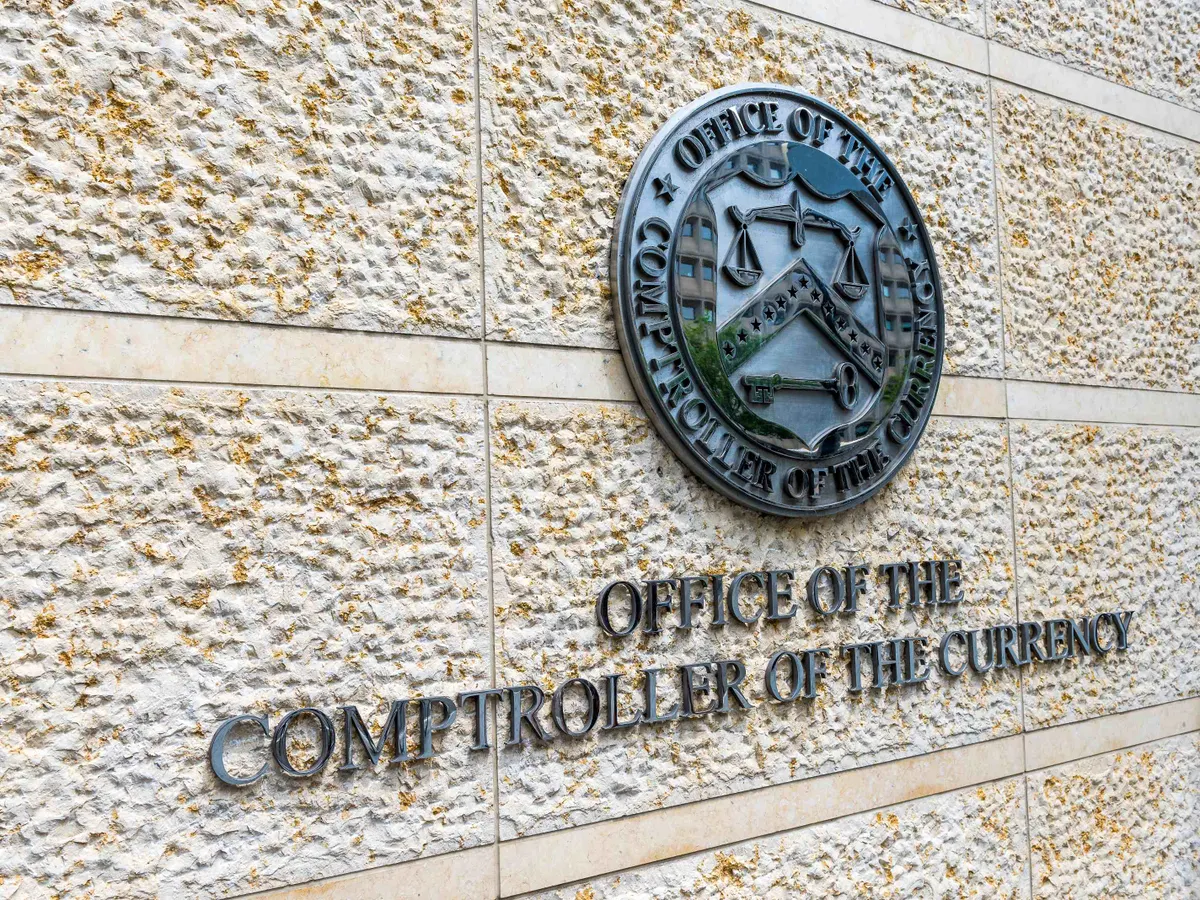
The Minneapolis-based fintech announced on October 22, 2026, that it had filed an application with the Office of the Comptroller of the Currency (OCC) for a national bank charter. It has also applied to the Federal Deposit Insurance Corporation (FDIC) for deposit insurance.
If regulators approve the applications, Sezzle could offer deposit accounts, checking and savings products, and additional credit services. The proposed bank would target digitally native consumers, including people who are new to credit or prefer alternatives to traditional credit cards.
The application marks a potential turning point for Sezzle. Rather than focusing primarily on financing purchases at checkout, the company could build a broader financial services offering under federal banking supervision.
However, the proposed bank is not yet operational. Sezzle has confirmed that regulatory approval is not guaranteed and that its existing customer services remain unchanged.
What Would Sezzle Bank Offer?
Sezzle Bank would combine the company's existing consumer finance focus with a wider range of banking products.
According to Sezzle, the proposed offering would include:
- Checking accounts: Everyday banking services for eligible customers.
- Savings accounts: Deposit products designed to support customers' financial needs.
- FDIC-insured deposits: Deposit accounts covered by federal deposit insurance, subject to applicable rules and coverage limits.
- Credit products: Additional lending options for consumers who prefer digital-first financial services.
The company aims to serve customers who may not feel well served by traditional credit products. This includes digitally native consumers and people with limited credit histories.
Sezzle CEO and Executive Chairman Charlie Youakim said the application reflects the company's commitment to federal oversight. He added that a charter could help Sezzle offer more banking products to consumers who prefer BNPL and digital banking.
Still, the announcement does not specify launch dates, account fees, interest rates, deposit terms, or the full range of planned credit products. Those details remain subject to further development and regulatory approval.
Why Sezzle Wants a National Bank Charter
The application follows a change in Sezzle's regulatory strategy.
In August 2026, CEO Charlie Youakim indicated that Sezzle would pursue a national charter rather than its earlier plan to seek an industrial loan company license through Utah regulators. He cited the changing regulatory environment for BNPL providers and concerns surrounding the industrial loan company structure.
A national bank charter would place the proposed institution within a federal supervisory framework. The OCC would oversee areas including financial safety and soundness, consumer compliance, anti-money laundering controls, and fair lending.
Sezzle also plans to apply to become a bank holding company. This would bring it under consolidated supervision by the Board of Governors of the Federal Reserve System.
The structure could help Sezzle build a more integrated financial services business. However, it would also bring additional compliance obligations, regulatory scrutiny, and operational responsibilities.
For a fintech that has built its business around flexible payment options, the shift would represent a significant expansion in both opportunity and regulatory exposure.
From Buy Now, Pay Later to Digital Banking
BNPL providers have traditionally focused on splitting purchases into installments at checkout. Sezzle's proposed bank would extend that relationship into customers' everyday financial lives.
Instead of serving customers only when they make purchases, the company could potentially offer accounts, savings products, and other credit options through the same broader ecosystem.
That approach could create more opportunities to engage customers and diversify revenue sources. It could also give Sezzle a larger role in how customers manage spending and access credit.
The strategy is not without challenges. Banking involves a broader set of responsibilities than offering point-of-sale financing. Sezzle would need to meet applicable requirements for deposits, lending, compliance, risk management, and customer protection.
It would also compete with established banks and digital banking providers that already offer checking accounts, savings products, and consumer credit.
The key question is whether Sezzle can turn its existing BNPL customer relationships into a broader banking business while maintaining responsible lending standards.
Regulatory Oversight Will Be Central
A national bank charter would not simply give Sezzle permission to launch new products. It would also subject the proposed bank to ongoing regulatory supervision.
The OCC would examine the institution's safety and soundness, consumer compliance, Bank Secrecy Act and anti-money laundering controls, and fair lending practices. Sezzle's planned bank holding company application would add a further layer of consolidated oversight by the Federal Reserve.
Deposit insurance is another important part of the process. Sezzle has applied to the FDIC for insurance, but customers should not assume that new Sezzle banking accounts are already available or insured.
The company has stated that there is no immediate change for existing customers. It will continue working with its current lending partners while the applications proceed.
Regulators may approve, reject, or require changes to the proposed structure. The timing and final scope of any banking launch therefore remain uncertain.
What the Application Means for Fintech
Sezzle's application reflects a broader push by financial technology companies to pursue banking charters and expand their control over financial products and infrastructure.
For BNPL providers, the appeal is clear: a wider banking offering could deepen customer relationships and reduce reliance on a single payment product. However, a charter also brings obligations that can reshape how a fintech operates.
For consumers, the potential benefit is greater choice in digital financial services. The outcome will depend on the products Sezzle ultimately offers, their costs and terms, and the safeguards that apply.
For the wider industry, the application highlights a continuing shift in fintech strategy. Companies that began with a focused payment or lending proposition are increasingly exploring broader financial services models.
Yet regulatory approval is only the first hurdle. Building a successful bank requires customer trust, sound risk management, competitive products, and consistent compliance.
What Happens Next?
Sezzle must now proceed through the relevant regulatory processes. The company has not announced a confirmed launch date for Sezzle Bank, and the proposed services cannot be treated as available banking products at this stage.
Until approvals are secured, Sezzle will continue operating its existing business and working with its current lending partners.
If approved, the proposed bank could mark an important expansion for the company—from BNPL financing toward a broader digital banking model.
For now, the application signals Sezzle's ambition, not a completed transformation.
TheFinRate will continue tracking developments in digital banking, consumer finance, and the regulation of BNPL providers.
Comments
No comments yet. Be the first to share your thoughts.
Leave a comment