
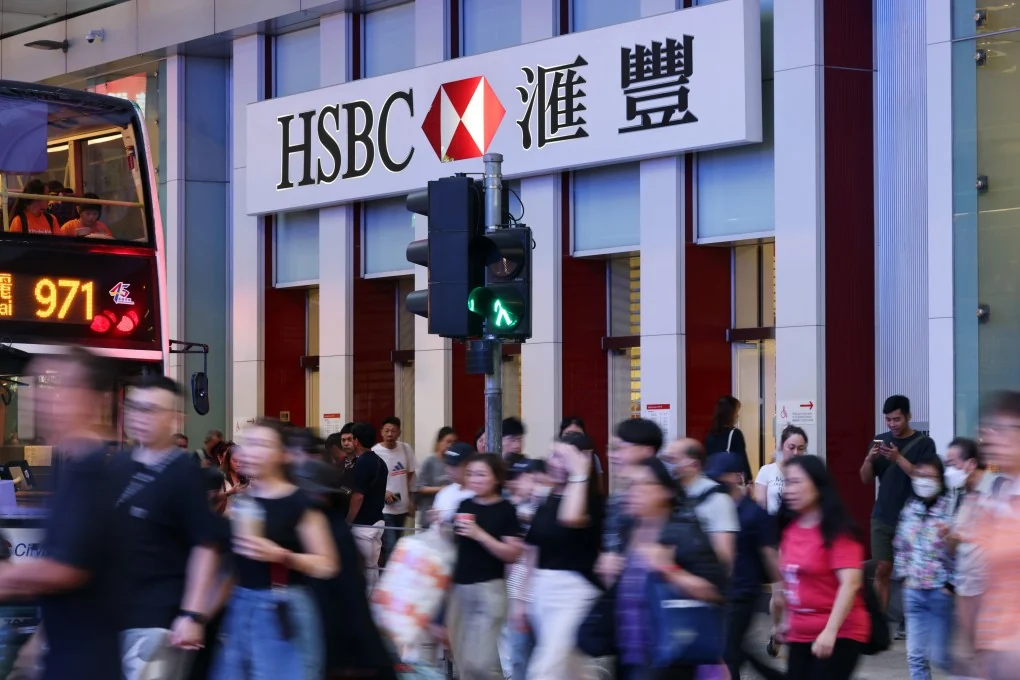
HSBC plans to launch a global AI and Emerging Technology Institute in Hong Kong in early 2027, focusing on AI safety, fraud detection, post-quantum cryptography, and blockchain. The initiative will bring research and technology teams together to turn emerging innovations into practical banking solutions.
HSBC has announced plans to establish a global AI and Emerging Technology Institute in Hong Kong, expanding its investment in research and technology development across its banking operations.
The announcement was made on November 2, 2026, at the start of Hong Kong FinTech Week. The Institute is expected to begin operations in early 2027 and will focus on developing technologies that can be deployed across HSBC’s operations.
Its initial priorities include artificial intelligence (AI) upskilling, AI safety, AI-enabled fraud detection, engineering optimization, post-quantum cryptography, and blockchain.
The Institute will be based in Hong Kong’s Northern Metropolis. HSBC has also selected the Hong Kong University of Science and Technology (HKUST) as its anchor academic partner.
The initiative reflects a broader shift in financial services. Banks are moving beyond experimentation with emerging technologies and increasingly focusing on how research can support practical, secure, and scalable operations.
HSBC focuses on turning research into banking applications.
The Institute will bring together research capabilities and technology deployment teams. Its purpose is to move promising innovations from exploration into practical use across HSBC.
This approach could help the bank connect academic research with operational requirements. Rather than treating emerging technology as a separate research activity, the Institute is intended to inform HSBC’s engineering and technology strategies.
The bank says the Institute’s work will aim to improve banking services and operations for customers. It will also support the development of technologies that can be applied across different parts of the organization.
The initial research priorities cover several areas with direct relevance to financial services.
AI upskilling will focus on developing the capabilities needed to use AI across the bank. AI safety will address how these systems can be developed and applied responsibly. AI-enabled fraud detection will explore ways to strengthen the bank’s ability to identify and respond to financial crime.
Engineering optimization is another priority. It could help HSBC assess how emerging technologies can improve the way its systems are developed and operated.
The Institute will also explore post-quantum cryptography and blockchain. These areas reflect the bank’s interest in technologies that could influence future security, infrastructure, and financial services.
AI-enabled fraud detection becomes an early priority.
One of the most notable areas of the Institute’s initial work is defensive preparedness against fraud in the agentic AI environment.
Agentic AI systems can perform tasks with varying degrees of autonomy. As financial institutions explore their use, banks must also consider how fraudsters could use similar capabilities to develop more sophisticated attacks.
HSBC says the Institute will investigate how the bank can prepare its defenses against new attempts at fraud in the agentic AI world.
The announcement does not specify which fraud-detection systems will be developed, when they will be deployed, or what performance improvements HSBC expects. However, the stated priority highlights the importance of security alongside AI adoption.
For financial institutions, AI can create opportunities to improve operations and customer services. It can also introduce new risks involving misuse, system vulnerabilities, and increasingly automated attacks.
By placing AI safety and fraud detection among its initial priorities, HSBC is signalling that its emerging-technology strategy will include both innovation and defensive preparedness.
HKUST was selected as the anchor academic partner.
HSBC has selected HKUST as the Institute’s anchor academic partner.
The university is expected to contribute scientific expertise, specialist research, access to talent, and connections with leading academic institutions.
The partnership is designed to combine HKUST’s research capabilities with HSBC’s industry expertise and international reach. Both organizations aim to accelerate the translation of research into practical solutions.
HKUST President Professor Nancy Ip said the collaboration would support research, responsible technology application, talent development, and knowledge exchange across disciplines and sectors.
The partnership also creates a channel for HSBC to work with academic specialists as it develops its technology priorities.
HSBC said additional technology partners may join the Institute in the future. Their participation would depend on the bank’s priorities and the needs of the institute's work.
No additional partners have been named in the announcement.
Hong Kong’s role in HSBC’s technology strategy
The Institute will be based in Hong Kong’s Northern Metropolis, reinforcing HSBC’s commitment to the city as a center for research, innovation, and technology.
Hong Kong offers the bank a base that combines financial-services expertise with research capabilities and connections to the Chinese mainland and international markets.
David Liao, co-chief executive of Asia Pacific and the Middle East at HSBC, said the bank would explore technology opportunities thoughtfully and strategically, with the aim of turning valuable innovations into better customer outcomes.
The Institute’s location also connects the initiative with Hong Kong’s wider ambitions in innovation and technology.
However, HSBC has not announced the institute's investment amount, staffing target, or detailed research timetable. Those details may become clearer as operations begin in early 2027.
What the Institute could mean for financial services
The Institute’s significance will depend on how effectively it moves research into operational use.
For banks, emerging technologies must meet practical requirements. They need to work within existing systems, support customer needs, and meet standards for safety, security, and reliability.
HSBC’s stated priorities reflect several challenges facing financial institutions: developing AI capabilities, managing AI-related risks, strengthening fraud defenses, and preparing for changes in cryptographic technology.
The inclusion of blockchain also shows that the Institute’s scope extends beyond AI. It will examine technologies that may influence financial infrastructure and banking operations.
Still, the announcement describes the Institute’s plans and research priorities. It does not confirm that specific products or systems have already been developed or deployed.
TheFinRate’s view: HSBC’s new Institute is notable for its focus on connecting research with practical banking operations. Its early emphasis on AI safety and fraud detection is particularly relevant as financial institutions explore more autonomous AI systems. The key measure of success will be whether the institute can turn research into secure, scalable improvements for customers and the bank.
Comments
No comments yet. Be the first to share your thoughts.
Leave a comment