
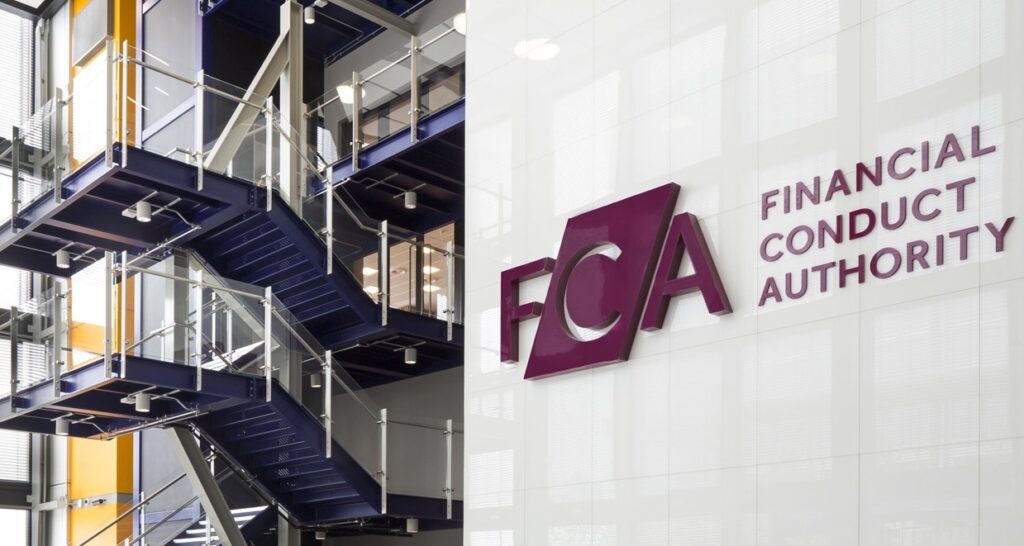
The Financial Conduct Authority’s new framework introduces requirements for transparency, governance, and conflict management, with firms expected to begin preparing for authorization from June 2027.
The UK’s Financial Conduct Authority (FCA) has introduced a regulatory framework for environmental, social, and governance (ESG) rating providers, bringing the sector under FCA regulation for the first time.
Announced on November 3, 2026, the new rules aim to improve the transparency, reliability, and comparability of ESG ratings. The FCA says the framework will help investors make better-informed decisions and strengthen confidence in information used across financial markets.
The regime covers firms and organizations providing ESG ratings and assessments in the UK. Providers that fall within its scope will need to apply for FCA authorization from 24 June 2027. The framework takes effect on 29 June 2028, when firms will need the relevant permission to carry on the regulated activity, unless an exemption applies.
The development marks a significant change for a market whose assessments can influence investment decisions, capital allocation, and risk management.
Why the FCA Is Regulating ESG Ratings
ESG ratings generally assess how companies, other entities, assets, or financial products perform against environmental, social, and governance criteria.
These assessments are used by asset managers, lenders, benchmark administrators, and other market participants. They can inform capital allocation decisions and help investors assess risks and opportunities.
However, differences in methodologies and the way ratings are produced or communicated can make comparisons difficult. The FCA’s new framework is designed to raise standards across the market and improve the information investors rely on.
Laura Dawes, the FCA’s director of authorizations and sustainable finance, said trusted information is essential for well-functioning markets. She said the rules aim to improve transparency and standards while supporting competition, innovation, and growth.
The framework follows government legislation in October 2025 that brought the provision of ESG ratings within the FCA’s remit. The government’s consultation received support for the move from 95% of respondents, according to the FCA.
New Requirements for ESG Rating Providers
The final regime introduces requirements covering several areas of firms’ operations.
These include:
- Transparency: improving how ESG ratings and assessments are explained and communicated.
- Governance: establishing appropriate oversight and accountability.
- Systems and controls: supporting reliable processes for producing ratings.
- Conflicts of interest: managing potential conflicts that could affect the integrity of ratings.
- Engagement: setting expectations for interaction with users of ESG ratings and rated entities.
The FCA says the framework is designed to be proportionate to firms’ size and activities. It is also informed by international and existing standards, including recommendations from the International Organization of Securities Commissions (IOSCO).
Importantly, the regime regulates how ESG ratings are produced, governed, and communicated. It does not prescribe a particular sustainability view or methodology.
That distinction leaves rating providers room to develop their own approaches while introducing regulatory expectations around the processes supporting their assessments.
Authorization Timeline: What Firms Need to Know
The FCA has set out a staged timetable for firms that may fall within the new regime.
| Date | Regulatory milestone |
|---|---|
| 3 November 2026 | FCA publishes its final rules and guidance. |
| 24 June 2027 | ESG rating providers begin applying for FCA authorization. |
| 29 June 2028 | The new framework takes effect; relevant firms need FCA permission unless exempt. |
The FCA is staggering application periods and encouraging firms to apply as early as possible within their assigned window.
Providers should first assess whether their activities fall within the regime. They should then review the final rules and guidance, consider whether authorization is required, and begin preparing for implementation.
The FCA has also said it will provide webinars and access to its Pre-Application Support Service to help firms understand the requirements.
For providers operating across multiple jurisdictions or offering different types of ESG assessments, determining whether their activities are in scope will be an important early step.
International Standards and Investor Demand
The FCA says the framework has been shaped by international standards, including IOSCO recommendations on ESG ratings and data product providers.
The approach also follows the FCA’s consultation, CP25/34, which opened on 1 December 2025 and closed on 31 March 2026.
The regulatory change comes amid continued demand for ESG information from investors. The FCA’s Financial Lives Survey 2024 found that 72% of adults with investments or a defined contribution pension wanted their investments to do some good as well as provide a financial return.
That demand makes the reliability of ESG information increasingly relevant to investment decisions. However, investor preferences do not remove the need for transparent methods and appropriate governance.
The new regime is intended to strengthen the processes behind ESG ratings while allowing providers to continue developing their methodologies.
What the New Regime Means for Financial Markets
The FCA’s framework introduces a new regulatory layer for ESG rating providers operating in the UK.
For firms, the immediate task is to determine whether they are in scope and prepare for the authorization process. That may involve reviewing governance arrangements, systems, controls, conflict management, and how ratings are communicated to users and rated entities.
For investors and other market participants, the framework is intended to improve confidence in ESG information. Greater transparency and comparability could make it easier to understand how ratings are produced and what they represent.
The FCA has not said that the new rules will make different ESG ratings identical or establish one preferred methodology. Instead, the regime focuses on the processes and standards supporting the ratings.
The key change is that ESG rating providers will move from operating outside a dedicated FCA authorization framework to preparing for formal regulatory oversight. The transition will begin with applications in June 2027, ahead of the regime’s implementation in June 2028.
Source: FCA press release, “New FCA rules bring ESG rating providers into UK regulation for the first time,” published and updated November 3, 2026. Regulatory dates and requirements are based on the FCA announcement and its notes to editors.
New FCA rules bring ESG rating providers into UK regulation for the first time.
Comments
No comments yet. Be the first to share your thoughts.
Leave a comment