
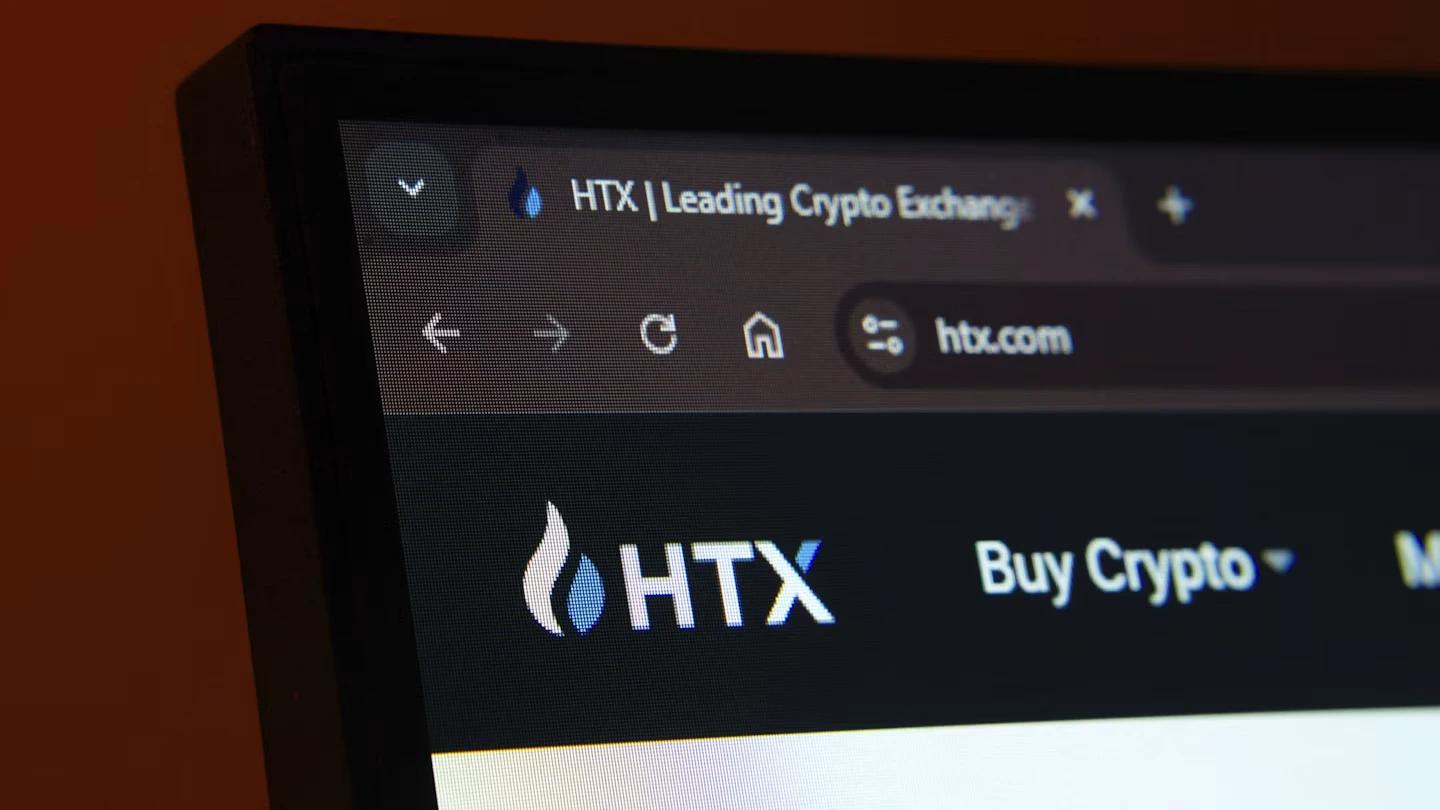
The UK's Financial Conduct Authority (FCA) has secured a court-backed agreement requiring cryptocurrency exchange HTX to stop knowingly promoting its services unlawfully to UK consumers. The agreement marks a significant enforcement development for the regulator as it increases pressure on offshore crypto platforms operating without the required UK permissions.
The action follows an October 2025 lawsuit against HTX, formerly known as Huobi, over alleged illegal financial promotions. The exchange lacks regulatory permission to operate in the UK.
Under the agreement, HTX will not target, solicit, or actively seek to engage UK consumers. The FCA also confirmed that the exchange had taken steps to leave the UK after legal proceedings began.
The case is particularly significant because it represents the FCA's first court action against a crypto firm over marketing to British customers.
FCA Action Sends a Warning to Offshore Crypto Exchanges
The FCA's action highlights a central challenge in crypto regulation: overseas companies can reach customers through online platforms even when they lack local authorization.
HTX was founded in China in 2013 and is among the world's largest cryptocurrency exchanges. Chinese billionaire Justin Sun acquired a controlling stake in the company in 2022, according to the Reuters report.
The FCA said its legal action means HTX is leaving the UK and can no longer target British consumers.
Steve Smart, the FCA's director of enforcement and market oversight, said overseas firms should not assume that operating outside Britain places them beyond UK law.
He added that the action sends a clear message to other crypto businesses: they must follow the rules or face consequences.
The case demonstrates how regulators can use legal proceedings to restrict the UK-facing activities of international platforms, even when their corporate and operating structures are complex.
What the Agreement Means for HTX
The court-backed agreement restricts HTX from knowingly promoting cryptoasset services unlawfully to UK consumers.
More specifically, the company has agreed not to target, solicit, or actively seek engagement with customers in the UK.
HTX said it remains committed to complying with evolving regulatory frameworks worldwide. The company also stated that it takes local compliance requirements seriously and has implemented measures to align with UK financial promotion regulations.
However, the FCA's action followed allegations that HTX had unlawfully promoted its services to British consumers. The settlement does not mean the exchange has received permission to operate in the UK.
This distinction matters. Compliance with financial promotion requirements and authorization to provide regulated services are separate regulatory questions.
Why This Case Matters for Global Crypto Regulation
The HTX case could have implications beyond the UK.
Global crypto exchanges often serve customers across multiple jurisdictions. However, their ability to operate internationally does not remove the need to comply with local financial promotion and authorization rules.
The FCA's case also highlights the difficulties regulators face when dealing with offshore companies. Legal proceedings can take time, particularly when ownership arrangements and operating structures cross national boundaries.
Oliver Pegden, a partner at Clifford Chance, said the outcome demonstrates the FCA's willingness to pursue overseas platforms and secure restrictions on their UK-facing activities despite complex ownership structures.
That could make the case an important reference point for future enforcement involving unauthorized crypto businesses.
MiCA Adds Pressure on Unlicensed Crypto Platforms in Europe
The regulatory pressure is also increasing across the European Union.
The Markets in Crypto-Assets Regulation (MiCA) establishes a framework for cryptoasset service providers operating in the EU. Its implementation has increased the importance of regulatory authorization and compliance for businesses serving European customers.
Lawyers Marcel Hörauf and Kam Dhillon of Mayer Brown described the HTX outcome as part of a wider European crackdown on unauthorized crypto exchanges.
They also pointed to the end of MiCA's transitional period as another source of pressure on offshore firms that lack the necessary permissions.
The UK and EU have separate regulatory frameworks. However, both developments reflect a broader move towards stronger oversight of crypto businesses seeking access to European consumers.
A Turning Point for Offshore Crypto Platforms?
The FCA's action against HTX sends a clear message to international crypto exchanges: geographical distance does not automatically protect a business from local financial regulation.
For exchanges targeting British customers, financial promotions and regulatory permissions are becoming increasingly important compliance considerations.
The case also raises a wider question for the global crypto industry. As regulators strengthen enforcement, exchanges may need to reconsider how they structure international operations, market their services, and manage access across jurisdictions.
For the FCA, the agreement represents a notable enforcement milestone. For other offshore platforms, it offers a warning that unlawful UK-facing activity can lead to legal action and restrictions.
The wider significance may emerge through future cases. If the regulator uses a similar approach against other unauthorized exchanges, the HTX agreement could become an important precedent in the UK's efforts to control cross-border crypto promotions.
Comments
No comments yet. Be the first to share your thoughts.
Leave a comment