
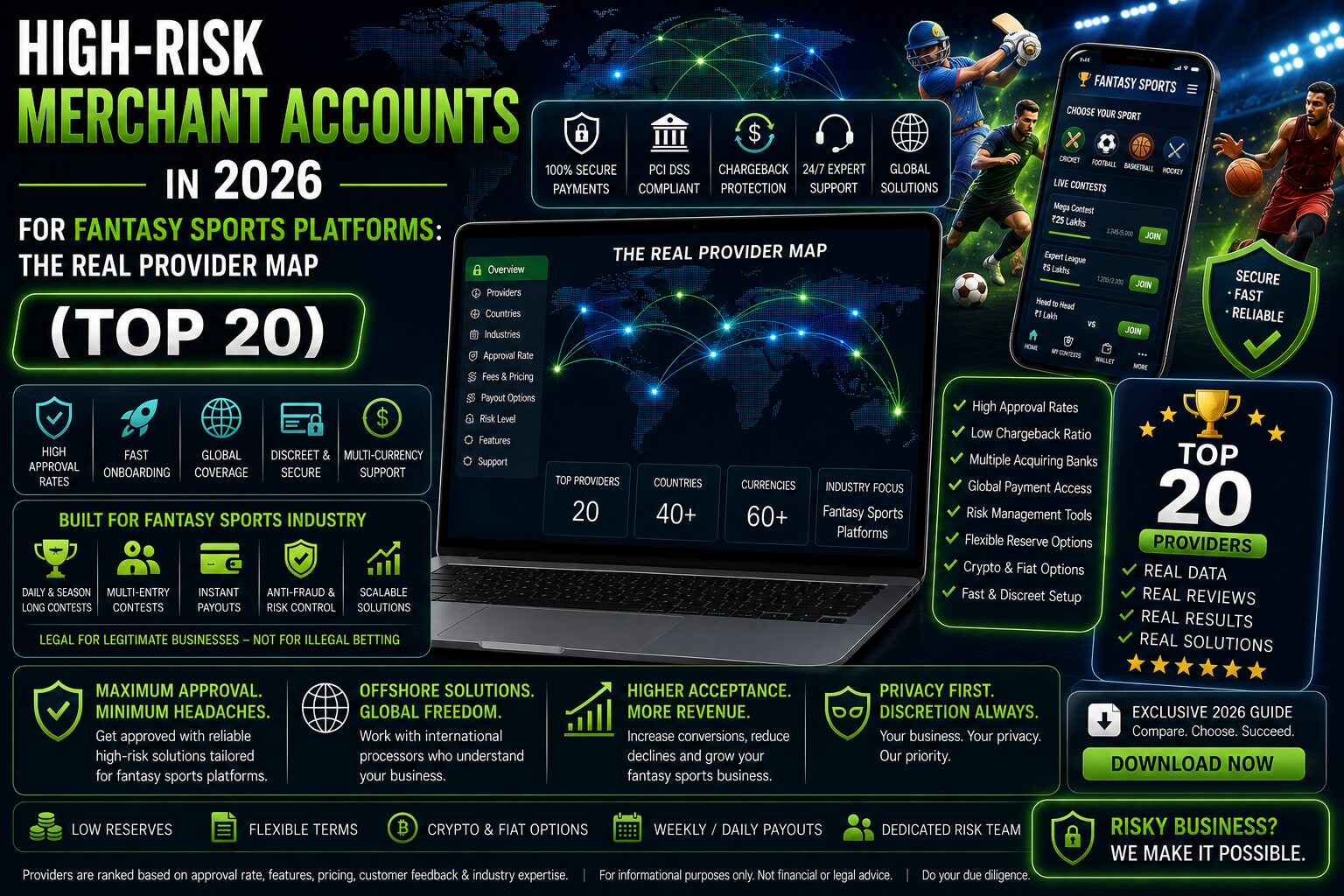
Fantasy sports occupies a genuinely unusual legal position that no other category in this guide series shares: the entire industry’s payment legitimacy rests on a specific legal distinction — skill-based contests are exempted from federal gambling law under UIGEA, while games of pure chance are not — and that distinction has spent the last three years eroding specifically for one particular contest format. Traditional season-long, salary-cap fantasy (the FanDuel and DraftKings model most people picture when they hear “fantasy football”) sits on comparatively stable ground. Prop-style “Pick’em” contests — the PrizePicks and Underdog Fantasy model where a player simply picks whether an individual athlete’s stat will go over or under a set line — have been challenged as illegal sports betting by regulators in New York, California, and Texas, forcing the two largest Pick’em operators to fundamentally restructure their contest format in response.
Understanding which side of that skill-versus-chance line your specific fantasy sports business sits on isn’t a legal footnote before choosing a payment provider — it’s the single most important variable determining how any underwriter will actually treat your application, and it’s the right lens for evaluating this vertical rather than treating “fantasy sports” as one undifferentiated payment category.
This piece maps 15 real providers and infrastructure approaches serving fantasy sports platforms by how each addresses that core distinction.
Why Fantasy Sports Payment Processing Is a Distinct Problem
The federal legal exemption fantasy sports relies on is narrower than most operators and payment providers historically assumed. UIGEA’s carve-out treats fantasy sports as a game of skill rather than chance — but that exemption was written with traditional season-long, salary-cap contests in mind, and its application to prop-style Pick’em formats has become genuinely contested rather than settled.
New York was first to draw a hard line specifically against Pick’em-style contests. New York finalized regulations in October 2023 explicitly banning prop-style DFS contests, including Pick’em formats offered by PrizePicks and Underdog Fantasy — both companies initially challenged the ruling, and the eventual resolution involved these operators restructuring their contests into a “peer-to-peer” format specifically to satisfy the state’s concerns and resume operating.
California followed with a formal Attorney General opinion reaching the same conclusion in mid-2025. California’s Attorney General published an opinion on July 3, 2025, determining that DFS contests offered by companies including FanDuel, DraftKings, PrizePicks, and Underdog Fantasy qualify as sports betting and are therefore illegal under California law specifically for the Pick’em-style format. Underdog and PrizePicks both converted their contests to the same peer-to-peer format used to resolve the New York situation — a move that has satisfied regulators in other states too — while DraftKings and FanDuel, whose traditional salary-cap contest format sits on more defensible legal ground, made no changes to their California offerings and continue operating unaffected.
Texas illustrates just how long this kind of legal ambiguity can persist without actual resolution. Texas Attorney General Ken Paxton issued a non-binding opinion in 2016 deeming DFS illegal gambling — nearly a decade later, operators including Underdog, PrizePicks, and Betr Picks still serve the state, the matter remains unresolved in court, and users haven’t experienced any practical disruption despite the legal cloud hanging over the entire market there.
“Peer-to-peer” restructuring has become the documented industry response to this specific legal pressure, and it’s worth understanding as a structural, not cosmetic, change. Converting a Pick’em contest into a peer-to-peer format changes the underlying mechanics of how winnings are determined and distributed specifically to move the contest further from a “house sets the line, player bets against the house” structure that regulators have equated with sports betting, and closer to a genuine skill-based, player-versus-player structure that preserves the UIGEA exemption’s original intent.
State-by-state legality remains a genuine patchwork requiring active monitoring, not a settled national picture. DFS is legal in most U.S. states, but several states have banned pick’em-style contests entirely, some states (Iowa among them) require formal DFS licensing — with FanDuel and DraftKings licensed there while some competitors are not — and states like Washington don’t permit DFS operations at all. A payment provider or operator treating “fantasy sports” as uniformly legal nationwide is working from an outdated picture of the actual landscape.
Litigation volume mirrors the pattern seen in this guide series’ sweepstakes casino piece, with genuinely overlapping legal theories. Lawsuits filed against DraftKings, FanDuel, Underdog Fantasy, and PrizePicks allege misleading promotional terms, advertising to individuals on gambling self-exclusion lists, and contest structures designed to encourage compulsive or disordered gambling behavior — a documented litigation pattern operators and their payment providers both need to account for in underwriting and ongoing risk management.
Card-based funding is the backbone of the category, and it’s specifically the piece acquiring banks scrutinize hardest. Most players fund their fantasy sports accounts with a card, making credit card processing capability the single most consequential infrastructure decision for any DFS platform — acquirers classify daily fantasy sports as elevated risk because paid contests overlap with gambling regulation in some jurisdictions, chargebacks run higher than mainstream retail, and card network rules add category-specific requirements that generic payment processors aren’t built to handle.
Industry self-regulation has emerged as a genuine, organized response to the regulatory pressure described above. PrizePicks, Underdog Sports, Betr, and Dabble formed the Coalition for Fantasy Sports specifically to advocate for favorable legislation, discourage unfavorable regulatory action, and build goodwill through responsible-gambling promotion — including a partnership with responsible-gambling firm idPair to launch the industry’s first national self-exclusion program, a genuinely relevant compliance signal for underwriters evaluating any Pick’em-format operator specifically.
The Five Models in Fantasy Sports Payment Processing
- The Fantasy-Sports-Native Specialist. Built specifically around DFS underwriting, with genuine understanding of the card-processing backbone this category depends on and the specific chargeback and regulatory patterns that differ from generic e-commerce.
- The Skill-Format-Aware Underwriter. Not a single provider, but a distinction worth applying to any provider conversation: does the underwriter genuinely understand the difference between traditional salary-cap DFS and Pick’em/prop-style contests, and price risk accordingly rather than treating the entire category uniformly?
- The Offshore/Broker Generalist. Broader high-risk providers listing fantasy sports or gaming-adjacent categories among supported verticals, useful for platforms already declined by a native specialist.
- The Responsible-Gambling Compliance Infrastructure Signal. Industry bodies and partnerships (the Coalition for Fantasy Sports, idPair’s self-exclusion program) that strengthen an operator’s underwriting file, particularly relevant for Pick’em-format platforms facing the most active regulatory scrutiny.
- The Dedicated-MID Structural Specialist. Solves specifically for the shared-aggregator exposure risk given how documented sudden state-level restrictions and litigation have already proven to be in this category.
Here’s how 15 real providers and approaches sort into that structure.
Model 1: Fantasy-Sports-Native Specialists
PayKings operates a dedicated fantasy sports merchant account offering, explicitly naming the increased financial-institution scrutiny large DFS brands like FanDuel and DraftKings face due to chargeback risk and strict industry regulations as the reason the entire vertical runs on specialized high-risk merchant accounts rather than standard retail processing. Its infrastructure explicitly centers on card processing as the backbone of the business — the piece acquiring banks scrutinize hardest — with more than 20 acquiring bank partnerships, chargeback prevention, and fraud protection built specifically around the category’s documented risk patterns, positioned for growing platforms and operators rather than only the largest established brands.
Model 2: The Skill-Format-Aware Underwriting Distinction
This isn’t a single vendor, but it’s the single most important question to bring into any provider conversation in this category: does your prospective payment provider genuinely distinguish between traditional salary-cap DFS and Pick’em/prop-style contests in its underwriting, given how differently regulators across New York, California, and Texas have treated these two formats? A platform running the traditional FanDuel/DraftKings-style format faces meaningfully more settled legal ground than a Pick’em-format operator, and a provider’s risk pricing, reserve requirements, and ongoing monitoring should genuinely reflect that difference rather than applying one blanket “fantasy sports” risk profile regardless of contest structure. If your business has already undertaken — or is considering — a peer-to-peer restructuring similar to what PrizePicks and Underdog implemented, your payment provider needs to understand the operational mechanics of that structure well enough to underwrite it correctly, not just process transactions against the old contest format’s assumptions.
Model 3: Offshore/Broker Generalists
Instabill, eMerchantBroker (EMB), Durango Merchant Services, and SMB Global, all covered throughout this guide series, extend their broader high-risk and offshore banking relationships to fantasy sports and gaming-adjacent categories, useful for DFS platforms already declined by a native specialist or operating across multiple states with varying legal treatment.
Shark Processing, covered in this series’ gaming and betting guide for its iGaming specialization and emphasis on banking redundancy, is genuinely relevant here too — given how documented the state-by-state legal volatility in fantasy sports has already proven to be, the same banking-redundancy logic that applies to gambling operators applies directly to DFS platforms, particularly Pick’em-format operators facing active multi-state challenge.
GSPay, WebPays, and RoxPay, all covered elsewhere in this guide series for gaming-adjacent underwriting, round out the broader multi-vertical options relevant to fantasy sports platforms operating internationally or across varied U.S. state jurisdictions.
Model 4: Responsible-Gambling Compliance Infrastructure Signal
The Coalition for Fantasy Sports (PrizePicks, Underdog Sports, Betr, and Dabble) and its partnership with idPair to launch the industry’s first national self-exclusion program deserve specific mention as a genuine underwriting-strengthening signal, distinct from being a payment provider itself. Given how directly litigation against fantasy sports operators has alleged advertising to individuals on gambling self-exclusion lists and contest designs encouraging compulsive play, an operator’s participation in genuine, documented responsible-gambling infrastructure — not just a stated policy — is exactly the kind of compliance posture that strengthens a payment underwriting file, similar to how LegitScript certification functions for healthcare merchants covered elsewhere in this guide series.
Model 5: Dedicated-MID Structural Specialists
2Accept, covered throughout this guide series, applies its dedicated-Merchant-ID model to fantasy sports as well — genuinely relevant given how quickly this category’s legal landscape has already shifted state by state, and how a shared-aggregator account structure would expose an individual DFS platform to another fantasy sports merchant’s sudden state-level restriction or litigation-driven dispute spike, regardless of the individual platform’s own standing.
The Fit Framework: Question, Not Rank
| Your platform’s situation | Model to start with |
| Traditional season-long/salary-cap DFS format | Fantasy-Sports-Native Specialist (PayKings) — more settled legal ground |
| Pick’em/prop-style contests, considering or having completed peer-to-peer restructuring | Confirm your provider genuinely understands the restructured contest mechanics before proceeding |
| Already declined or need offshore banking depth | Offshore/Broker Generalist (Durango, EMB, Instabill, SMB Global) |
| Operating across multiple states with varying legal treatment | Shark Processing (banking redundancy specifically relevant given state-level volatility) |
| Want to strengthen your underwriting file with genuine responsible-gambling infrastructure | Coalition for Fantasy Sports / idPair self-exclusion partnership |
| Worried about shared-aggregator exposure given how fast state-level restrictions have moved | 2Accept’s dedicated MID model |
Red Flags Specific to Fantasy Sports Payment Processing
Confirm explicitly which contest format your business operates, and whether your payment provider prices risk accordingly. A provider treating traditional salary-cap DFS and Pick’em-style prop contests identically hasn’t built genuine category-specific underwriting, given how differently regulators in New York, California, and Texas have actually treated these two formats.
Track state-by-state legality actively, not as a one-time compliance check. Given the documented pace of change — New York’s 2023 ban, California’s 2025 AG opinion, ongoing Colorado challenges — a state legality map that was accurate a year ago may already be outdated.
If your business has undertaken a peer-to-peer restructuring, verify your payment provider genuinely understands the new contest mechanics. This isn’t a cosmetic branding change — it’s a structural shift in how winnings are determined, and a provider still underwriting against the old contest model’s assumptions is working from an inaccurate risk picture.
Litigation exposure in this category increasingly mirrors the sweepstakes casino pattern covered elsewhere in this guide series — advertising practices and self-exclusion-list targeting are now specific, documented legal theories, not hypothetical risks. A provider that doesn’t ask about your marketing and self-exclusion compliance practices during underwriting is missing a genuinely material risk factor.
A single-processor strategy carries elevated risk in this category given how quickly state-level restrictions have already materialized. The same banking-redundancy logic covered in this series’ gaming guide applies with particular force to Pick’em-format operators specifically.
What Actually Determines a Good Fit
Does the provider genuinely distinguish between traditional salary-cap DFS and Pick’em/prop-style contests in its underwriting and risk pricing, rather than applying one blanket fantasy sports classification?
If you’ve undertaken a peer-to-peer restructuring, does the provider understand the actual mechanics of that new contest structure, rather than continuing to underwrite against your prior format’s risk profile?
Does the provider track state-by-state legal status actively, given how documented the pace of change has already proven across New York, California, and Texas specifically?
Does the provider recognize genuine responsible-gambling compliance infrastructure — self-exclusion program participation, advertising practice review — as a meaningful underwriting input, given how directly current litigation targets exactly these practices?
Is this a dedicated MID, or are you exposed to another fantasy sports merchant’s sudden state-level restriction or litigation-driven dispute spike through a shared-aggregator structure?
Conclusion
Fantasy sports payment processing isn’t solved by treating the category as one uniform, generically “gambling-adjacent” vertical — it’s solved by understanding that the industry’s entire legal foundation rests on a skill-versus-chance distinction that’s held up well for traditional salary-cap contests and eroded meaningfully for Pick’em-style prop contests specifically, forcing the two largest Pick’em operators into a documented peer-to-peer restructuring in response to New York and California regulatory pressure. PayKings has built genuine fantasy-sports-specific underwriting around the card-processing backbone this category depends on. Instabill, EMB, eLotPay, SMB Global, Shark Processing, GSPay, WebPays, and RoxPay offer broader high-risk and international banking depth, with Shark Processing’s banking-redundancy emphasis particularly relevant given how quickly state-level restrictions have already materialized. The Coalition for Fantasy Sports and its idPair self-exclusion partnership offer a genuine, documented compliance signal directly relevant to the litigation patterns already targeting this industry. And 2Accept’s dedicated-MID model addresses the shared-aggregator exposure risk that matters more here than in most other verticals, given how fast this category’s legal landscape has already proven to shift. The right starting point isn’t assuming “fantasy sports” is settled, exempted territory under UIGEA — it’s understanding precisely which contest format your business runs, tracking the state-by-state legal status that format currently holds, and choosing a payment provider whose underwriting genuinely reflects that distinction rather than treating the entire category as one uniform risk profile.
Comments
No comments yet. Be the first to share your thoughts.
Leave a comment