
The payments giant unveils a new portfolio of products designed to boost interoperability and scale mobile wallet acceptance across NFC, QR codes, and online channels.
By Deepak Kumar | TheFinRate.com
Mastercard has launched Wallet Pay, a portfolio of products designed to support interoperability and reach of mobile wallet payments. The move comes as global wallet usage is set to top 6 billion by 2030. Consequently, the card scheme wants to ensure that its network sits at the center of that growth.
Wallet Pay aims to foster interoperability and scale acceptance across contactless (NFC), QR codes, and online digital payments. In practice, that means consumers can use their preferred wallet—whether it is AlipayHK, GCash, KakaoPay, or Mercado Pago—and merchants can accept those payments without friction. Meanwhile, Mastercard connects its vast network of credentials to those wallets, creating a bridge between traditional card infrastructure and the digital-first wallets that millions of people use every day.
A Growing Wallet Ecosystem
Digital wallets have become gateways to the digital economy for billions of people. In emerging markets especially, wallets often serve as the primary way people access financial services. They pay bills, send money to family, and buy goods online. However, fragmentation has been a persistent problem. Different wallets operate in different ecosystems. Merchants often need separate integrations for each one. As a result, acceptance has been uneven, and consumers have faced limited options.
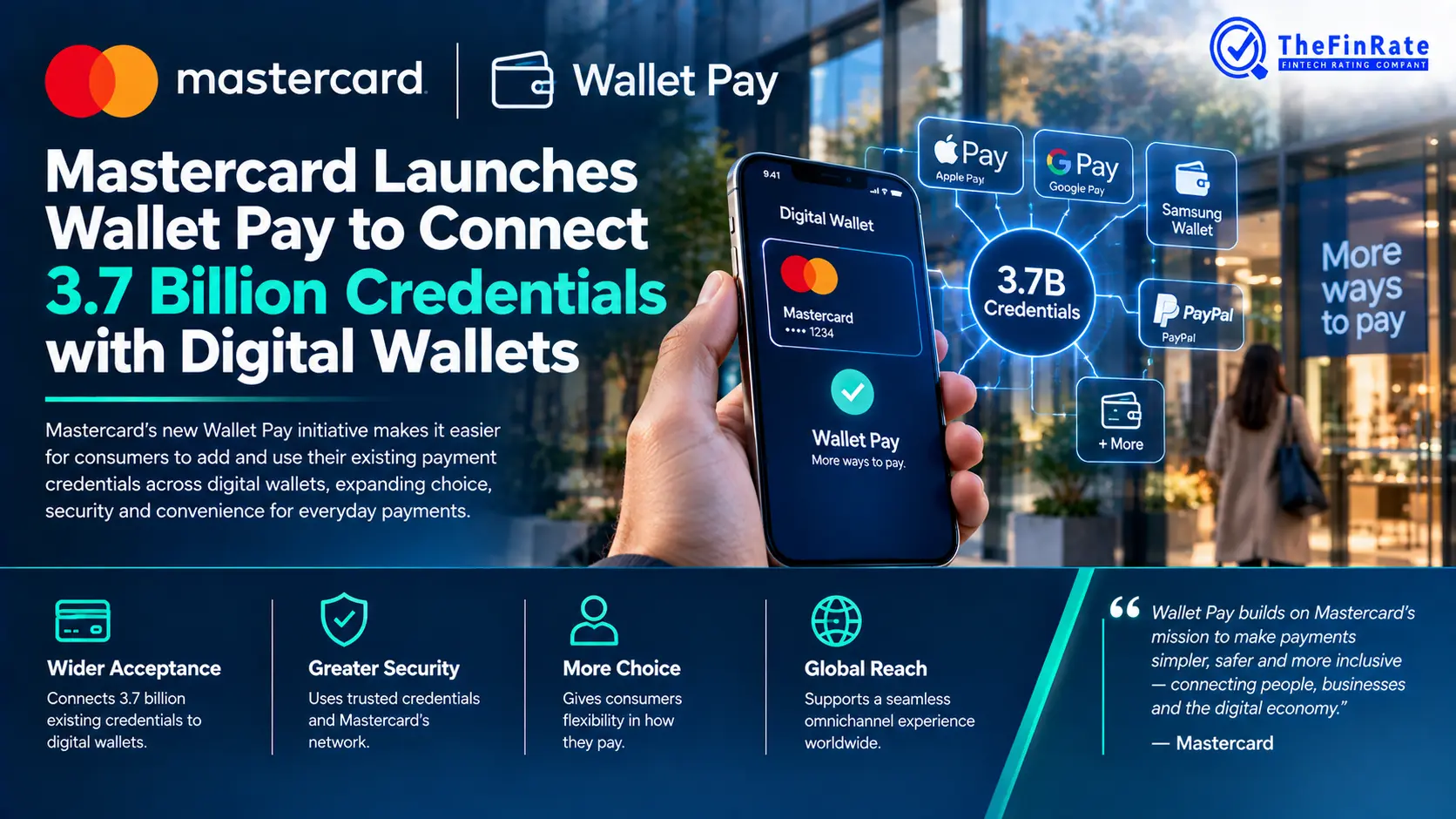
Mastercard’s Wallet Pay directly addresses that fragmentation. The portfolio supports providers in launching their own credit, debit, or prepaid card programme. Additionally, it allows merchants to accept payments from cards and wallets in person and online. Consequently, more than 3.7 billion Mastercard credentials can connect to digital wallets. That scale matters because it gives wallet providers instant access to a global network while giving merchants a simpler way to accept payments from multiple wallets.
A Powerful Roster of Partners
Mastercard has signed up a host of digital payment services providers to support the initiative. The list includes Alipay+ partner wallets AlipayHK, Clip, GCash, KakaoPay, TNG eWallet, and TrueMoney. Moreover, Axian, CRED, DaviPlata, Mercado Pago, MTN, and TenPay Global have also joined. That roster spans Asia, Africa, Latin America, and beyond. Consequently, Wallet Pay launches with truly global reach from day one.
Each partner brings something different. AlipayHK dominates Hong Kong. GCash leads in the Philippines. KakaoPay is huge in South Korea. Mercado Pago is a powerhouse in Latin America. By bringing them together under one framework, Mastercard creates a network effect that benefits everyone. Wallet providers get access to Mastercard’s acceptance network. Merchants get access to millions of new customers. Consumers get more places to use their preferred wallet. Meanwhile, Mastercard strengthens its position as the connective tissue between traditional finance and digital payments.
Executive Perspective: Wallets as Gateways to the Digital Economy
Jorn Lambert, chief product officer at Mastercard, framed the launch in strategic terms. “Wallets are gateways to the digital economy and launchpads for broader financial services,” he said. “Through our Wallet Pay solutions, we’re helping payment providers to enhance the interoperability and user experience of their services, underpinned by trust, scale and convenience for the people and businesses they serve.”
That quote captures the essence of Mastercard’s strategy. The company is not just processing payments. It is building infrastructure that helps wallets become full-fledged financial platforms. Moreover, it is doing so in a way that reinforces trust. That trust matters because wallets increasingly handle sensitive financial data and serve as primary accounts for millions of people. By partnering with Mastercard, wallet providers can offer credit, debit, and prepaid products without building those capabilities from scratch. As a result, they can focus on user experience while Mastercard handles the rails.
Building on Recent Momentum
The Wallet Pay launch comes on the heels of a roll out by Mastercard of a set of software tools and services designed to make it easier for banks and fintechs to add contactless payments into their iOS and Android apps. That earlier initiative focused on enabling issuers to embed tap-to-pay functionality directly into their mobile banking apps. Consequently, it reduced the need for physical cards and made digital issuance more practical.
Wallet Pay builds on that foundation. If the earlier tools made it easier for banks to issue digital cards, Wallet Pay makes it easier for wallets to accept and manage those cards. Together, the two initiatives show that Mastercard is thinking holistically about the future of payments. The company is not just reacting to trends. It is actively shaping the infrastructure that will define how people pay for years to come.
What This Means for Merchants
For merchants, Wallet Pay offers a simpler path to accepting digital payments. Instead of integrating with dozens of wallets separately, they can work through Mastercard’s framework. That reduces technical complexity and speeds up time to market. Moreover, it allows them to accept payments from wallets they might not have otherwise supported. As a result, they can reach more customers without adding significant overhead.
That is especially important for small and medium-sized businesses. They often lack the resources to build custom integrations for every wallet. By offering a unified solution, Mastercard lowers the barrier to entry. Consequently, more merchants can participate in the digital economy, and more consumers can use their preferred payment methods wherever they shop.
The Road Ahead
Global wallet usage is set to top 6 billion by 2030. That projection underscores the urgency of Mastercard’s move. Wallets are no longer a niche payment method. They are becoming the primary way people interact with money. Therefore, the companies that build the best interoperability will win the most volume. Mastercard clearly intends to be one of those companies.
However, competition is fierce. Visa has its own wallet initiatives. Regional players are building their own networks. Meanwhile, central banks are exploring digital currencies that could reshape the landscape. In that environment, Mastercard’s success will depend on execution. It will need to onboard partners quickly, ensure smooth user experiences, and maintain trust. If it does, Wallet Pay could become a cornerstone of its growth strategy.
The Bottom Line
Mastercard has launched Wallet Pay to boost digital wallet uptake and interoperability. The portfolio supports wallet providers in launching card programmes and helps merchants accept payments from cards and wallets in person and online. With more than 3.7 billion Mastercard credentials and a roster of major wallet partners, the initiative has significant scale from day one. As global wallet usage heads toward 6 billion users by 2030, Mastercard is positioning itself as the connective layer between wallets, merchants, and consumers. If successful, Wallet Pay will make digital payments more seamless for everyone involved.
Comments
No comments yet. Be the first to share your thoughts.
Leave a comment