
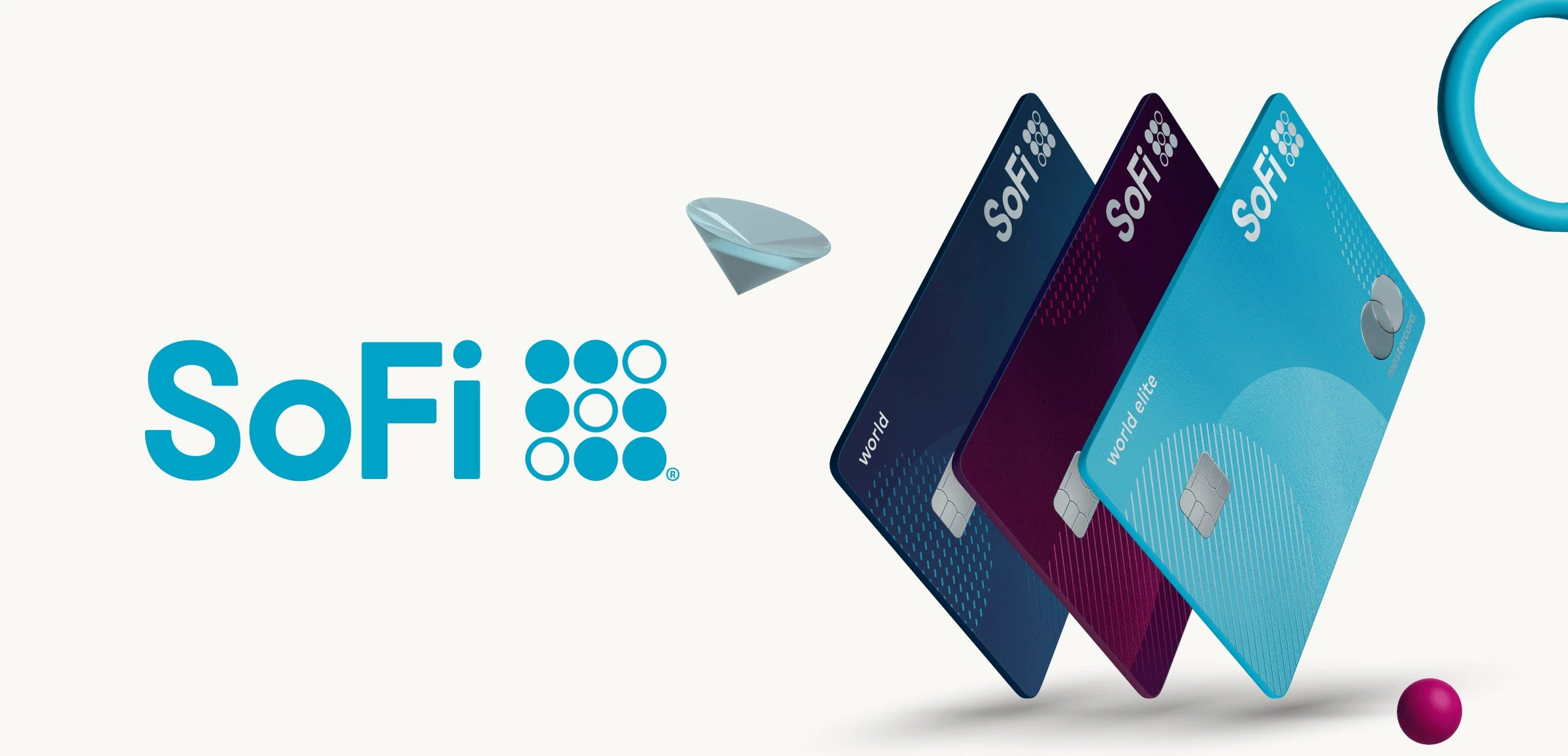
SoFi Tech Solutions, Orbi, and Mastercard are bringing cryptocurrency closer to everyday spending in Mexico through a new card program that will let customers pay from crypto balances while merchants receive traditional currency.
The partnership brings together three different parts of the payments ecosystem: SoFi Tech Solutions' card-issuing and processing infrastructure, Mexican fintech Orbi's digital-asset offering, and Mastercard's established payment network.
The proposed experience is designed to make cryptocurrency more practical at the checkout. Orbi customers will be able to use physical and virtual cards linked to their crypto balances, with funds converted into traditional currency at the point of sale. Merchants will receive fiat currency rather than needing to accept cryptocurrency directly.
The companies also see a longer-term opportunity beyond card purchases. The partnership is intended to lay the groundwork for future stablecoin-powered payments and remittances using SoFiUSD, SoFi's US dollar stablecoin.
The announcement comes as stablecoins become an increasingly prominent part of Latin America's digital-asset market. According to Bitso's 2025 regional data cited in the announcement, stablecoins accounted for 40% of crypto purchases among its users in Mexico, Argentina, Brazil, and Colombia, compared with 18% for Bitcoin.
The deal therefore reflects a broader shift in how digital assets may be used: moving beyond buying and holding crypto toward payment experiences connected to established financial infrastructure.
SoFi, Orbi, and Mastercard Target Everyday Crypto Spending
The partnership will enable Orbi customers to make purchases using either traditional fiat currency or funds from their crypto balances through a card program supported by SoFi Tech Solutions and Mastercard.
The main proposition is straightforward. Customers can use a familiar card-based payment experience while drawing on digital assets held through Orbi. At the point of sale, the required funds are converted so the merchant receives traditional currency.
This arrangement addresses one of the practical challenges facing cryptocurrency payments. Most retailers operate using established payment systems and generally do not want to manage digital-asset wallets, cryptocurrency price fluctuations, or blockchain settlement themselves.
A crypto-linked card can create a bridge between those two environments. Customers access their digital assets through a familiar spending method, while merchants continue receiving fiat currency through their normal payment acceptance arrangements.
For consumers, the appeal is convenience. Rather than first moving assets through a separate conversion process and then arranging a bank transfer, a supported card can bring conversion into the payment flow. For merchants, the model reduces the need to accept cryptocurrency directly at checkout. The merchant-facing transaction remains denominated and settled in traditional currency according to the applicable payment arrangements.
However, the actual experience will depend on the card program's terms, eligible assets, conversion rates, fees, transaction limits, and availability. The announcement does not specify all these details, so customers should not assume that every crypto asset or transaction will qualify. The partnership also does not mean that cryptocurrency payments are replacing conventional card payments. Instead, it uses existing card infrastructure to give eligible digital-asset holders another way to spend their funds.
Why SoFi Tech Solutions Matters to the Partnership
SoFi Tech Solutions, formerly known as Galileo Financial Technologies, will provide the BIN sponsorship and financial technology infrastructure supporting Orbi's card program.
BIN sponsorship is an important part of issuing payment cards. A bank identification number, or BIN, identifies the issuing institution or card program within the card network. Sponsorship arrangements allow eligible businesses to issue cards through the relevant financial and payment infrastructure without building every component themselves.
SoFi Tech Solutions will support card issuance, transaction authorization, processing, and compliance capabilities for the program. These functions are essential to making a crypto-linked card work reliably. A transaction must be authorized, the relevant account balance must be checked, the payment must be processed through the appropriate network, and the conversion must be handled according to the program's rules.
The card also needs controls to manage fraud, failed transactions, and compliance requirements. Connecting a digital-asset balance to a conventional payment network does not remove those responsibilities. SoFi Tech Solutions' role is therefore broader than simply connecting a crypto wallet to a Mastercard card. It supplies underlying infrastructure that allows Orbi to offer a familiar payment experience through an established card network.
The announcement describes Orbi as the first cryptocurrency-focused client to issue cards through SoFi Tech Solutions' Mastercard BIN sponsorship program in Mexico. That distinction is significant for the company's regional strategy. It demonstrates how card-processing infrastructure can be used to support financial products built around digital assets, rather than only conventional bank accounts.
SoFi Tech Solutions also brings experience from the broader digital-financial-services market. The company says its technology supports approximately 135 million accounts and serves nearly 200 clients. Those figures refer to its wider platform, not the new Orbi card program.
Mastercard Connects Digital Assets With Traditional Payments
Mastercard provides the established payment network through which eligible Orbi cardholders will be able to make purchases.
For customers, network acceptance is a major part of the proposition. A digital-asset product becomes more useful when it can be used at familiar merchants rather than being limited to a small group of businesses that directly accept cryptocurrency.
The partnership will also use SoFi Tech Solutions' connection to Mastercard's Mexico Domestic Switch, or MxDS, to support card purchases and cash withdrawals at ATMs. This provides a route into conventional payment acceptance infrastructure while allowing the card program to draw on eligible digital-asset balances.
The approach could make digital assets more accessible to consumers who want to use them for purchases rather than only hold them as investments. Still, acceptance should not be confused with universal availability. The card program's practical reach will depend on its launch arrangements, card eligibility, network rules, supported transactions, and the terms offered by Orbi. The companies have announced the partnership and its intended capabilities, but the announcement does not provide a comprehensive launch timetable or all consumer-facing terms.
Stablecoins Are Becoming More Important in Latin America
The partnership arrives as stablecoins gain prominence in the region's digital-asset activity.
The companies cited Bitso's 2025 data, which showed that stablecoins represented 40% of crypto purchases among Bitso users in Mexico, Argentina, Brazil, and Colombia. Bitcoin accounted for 18% of those purchases. This was the first time stablecoins exceeded Bitcoin in Bitso's regional purchase data, according to the announcement.
The statistic does not mean that stablecoins represented 40% of all payments in those countries. It describes crypto purchases among users of a particular platform across four markets. That distinction matters when assessing the broader payment opportunity. Nevertheless, the figures illustrate why stablecoins are attracting attention from financial institutions and payment providers.
Latin America's cross-border payment needs make this area particularly relevant. Remittances and international transfers can involve multiple intermediaries, currencies, and processing systems. Stablecoin-based arrangements may provide alternative ways to move value, provided they address regulatory, compliance, and operational requirements. The SoFi, Orbi, and Mastercard partnership aims to connect that digital-asset activity with a payment experience consumers already recognize.
SoFiUSD Could Support Future Remittances and Payments
Beyond the card program, the companies say their partnership lays the foundation for future stablecoin-powered payments and remittances using SoFiUSD.
SoFiUSD is SoFi's US dollar stablecoin. Its potential role in future payment flows could extend the partnership beyond spending crypto balances at a retail checkout. For example, stablecoin infrastructure may support the movement of digital dollars between participants before funds are converted or delivered through an appropriate payment channel. In remittances, the potential value lies in connecting the transfer of value with a practical way for recipients to access or use the funds.
However, these are future possibilities rather than fully specified services announced as live. The announcement does not provide a launch date for SoFiUSD-powered remittances through Orbi, detailed corridor coverage, fees, or a complete operational model.
Stablecoins also introduce risks that differ from conventional bank deposits and card balances. Customers need to understand who issues the asset, how redemption works, what protections apply, and what could happen if an issuer, intermediary, or technology service experiences disruption.
The future opportunity is to combine the speed and programmability of digital-asset infrastructure with the controls and usability expected from mainstream financial services. If the partners develop these capabilities successfully, the card program could serve as an initial connection between Orbi's digital-asset services and a broader set of payment use cases. The extent of that expansion will depend on future product development and implementation.
Why Mexico Is an Important Market for Crypto-Linked Payments
Mexico is a significant market for remittances and cross-border money movement. That makes it an important setting for companies exploring ways to connect digital dollars with conventional payment services.
Remittances are financially important to many households, while businesses and individuals may also need to move money across borders for commerce, family support, and other purposes. Traditional payment routes remain essential, but they can involve fees, exchange-rate costs, and processing steps that vary by provider and destination. Digital-asset infrastructure offers another possible route, though it does not automatically make every transfer cheaper or faster.
A stablecoin-based remittance service must account for the full transaction journey, including how a sender acquires the asset, how it is transferred, how the recipient accesses it, and how the value is ultimately used or converted.
The partnership's longer-term remittance ambitions could build on this connection, but they should be evaluated separately from the announced card functionality. For now, the clearest immediate proposition is the intended ability for eligible Orbi customers to spend from crypto balances through physical or virtual cards, with conversion at the point of sale.
What Consumers Should Consider Before Using a Crypto-Linked Card
A crypto-linked card can make digital assets easier to spend, but convenience does not remove the financial and operational risks associated with them.
Customers should understand which assets are supported, how the card selects the balance used for a purchase, how conversion rates are determined, and whether transaction or conversion fees apply. They should also review any limits on purchases and ATM withdrawals, as well as the process for handling refunds, disputed transactions, and failed payments.
Tax treatment may also differ by jurisdiction and transaction type. In some circumstances, spending a cryptocurrency can be treated differently from spending ordinary fiat currency. Users should check the applicable rules rather than assume that a card payment has no tax implications.
These considerations are important as digital assets move into more familiar payment experiences. Making a product easier to use should be accompanied by clear information about its terms, risks, and limitations.
What the Partnership Means for Fintech Infrastructure
The collaboration reflects a wider development in financial technology: digital assets are increasingly being connected to the systems that already support mainstream payments.
Rather than asking merchants to build cryptocurrency acceptance from scratch, the model uses card infrastructure to bridge the gap between crypto balances and fiat-denominated purchases. That approach depends on several layers working together. Orbi provides the customer-facing digital-asset experience, SoFi Tech Solutions supplies card-program infrastructure, and Mastercard provides network connectivity. Conversion arrangements then allow merchants to receive traditional currency.
It also illustrates why the next phase of digital-asset adoption may be shaped by infrastructure partnerships rather than by crypto-native businesses alone. The announcement does not establish how quickly customers will adopt the new program or how much spending it will generate. Those outcomes will depend on availability, pricing, user experience, and customer confidence.
What Happens Next for SoFi, Orbi and Mastercard?
The partners have announced plans for the crypto-linked card program in Mexico, with SoFi Tech Solutions providing the card infrastructure and Mastercard supporting network access.
The next milestones will include the program's rollout, the details of supported assets and card terms, and evidence of how customers use the service in practice. The future stablecoin opportunity will require additional clarity on SoFiUSD-powered payment and remittance services, including launch timing, supported routes, and the arrangements that will govern customer access to funds.
The bigger development is the bridge being built between crypto balances and the existing payments system. By allowing customers to spend eligible digital assets while merchants receive fiat currency, SoFi Tech Solutions, Orbi, and Mastercard are testing a model that could make digital assets more practical in daily commerce and create a foundation for future stablecoin payment services.
Comments
No comments yet. Be the first to share your thoughts.
Leave a comment