
Crypto exchange Bitget has revised its estimate of assets transferred during a major security breach to approximately $387.5 million. This revision turns an incident initially reported at $351.6 million into one of the largest crypto exchange attacks of 2026.
The breach affected parts of Bitget’s hot and warm wallet infrastructure on September 24. According to the exchange, attackers compromised a critical backend wallet system, manipulated transaction information, and triggered the platform’s authorization process to move assets to attacker-controlled addresses.
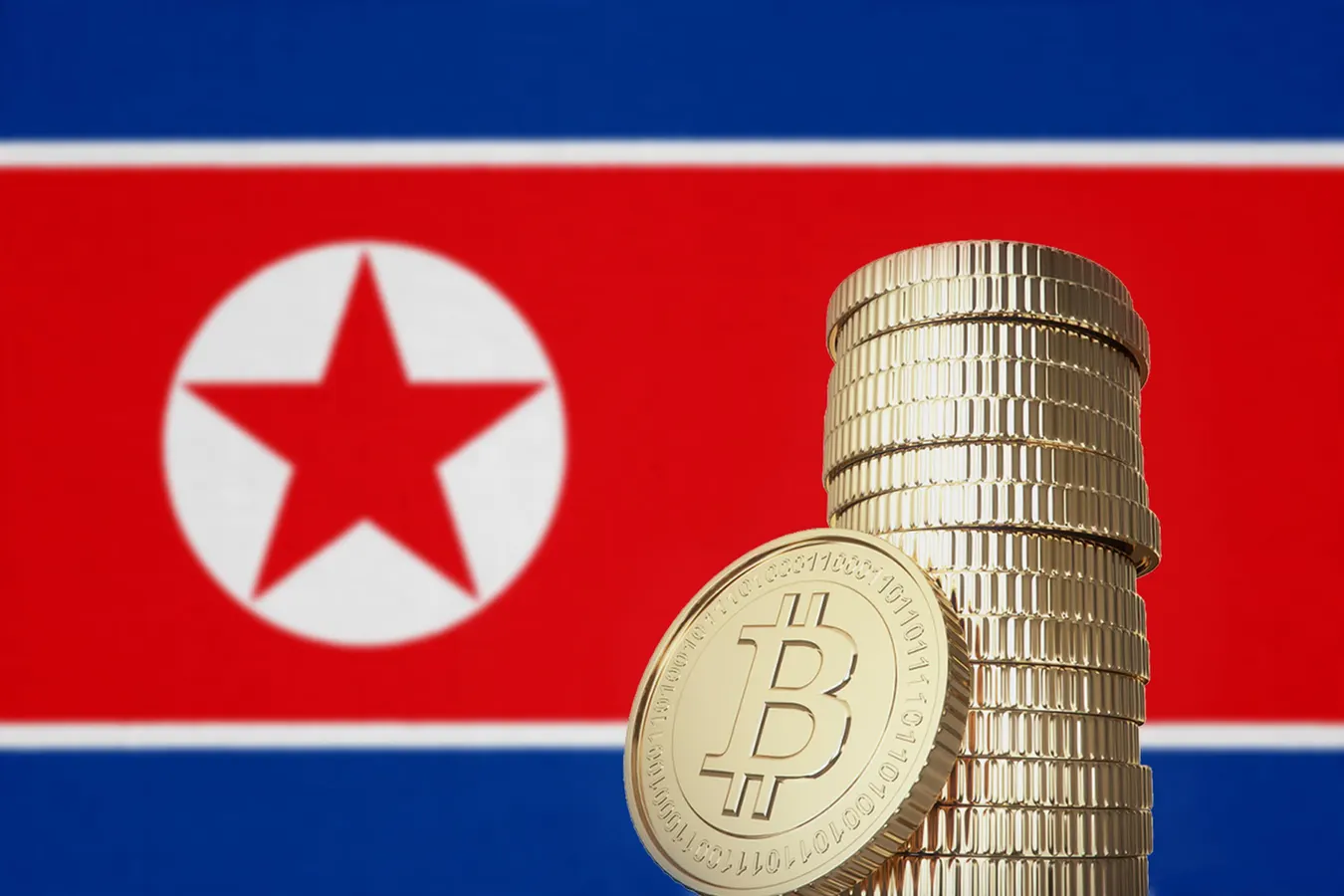
Bitget CEO Gracy Chen has also said investigators suspect a North Korean hacking operation was behind the incident. However, the company hasn’t presented that attribution as a final determination, and its investigation remains ongoing.
This incident highlights a different type of exchange-security risk. Attackers may not always need to obtain private keys if they can compromise the systems that control how legitimate transactions get created and authorized.
The estimate rises to $387.5 million.
Bitget initially estimated that approximately $351.6 million in digital assets had been affected by unauthorized transfers. A subsequent review of on-chain activity increased that figure to about $387.5 million. According to Bitget, the revised estimate includes additional assets transferred through the Zcash and TRON networks that weren’t included in its initial calculation.
The company stressed that the higher figure doesn’t represent a second wave of unauthorized transfers. Instead, it reflects a more complete accounting of activity that occurred during the original incident. The affected assets include cryptocurrencies and tokens such as XRP, ETH, USDT, ZEC, USDC, USDT0, XAUt, BNB, AVAX, and TRX, according to Bitget’s latest incident update.
The exchange says the incident remains contained and that no further unauthorized transfers are possible following remediation of the underlying vulnerability.
How the breach actually happened
One of the most significant details emerging from the investigation concerns how the attackers allegedly moved the funds. According to Chen, the attackers didn’t compromise Bitget’s private keys. Instead, they breached a critical backend system within the exchange’s wallet infrastructure. The attackers allegedly used that access to spoof transfer information and trigger Bitget’s authorization-signing process.
This distinction matters for cryptocurrency exchanges. Security teams normally treat private keys as a critical boundary, since possessing the right key can let an attacker authorize blockchain transactions directly. Bitget’s account, however, suggests the attackers instead targeted the software and backend processes surrounding wallet operations.
The specific initial intrusion method remains under investigation. Bitget says it has identified the attack path and the methods attackers used to bypass existing security controls, while technical teams continue additional security checks. The company has also said its cold wallets weren’t affected. Its separate self-custodial Bitget Wallet remained unaffected too, since it operates on infrastructure separate from the centralized exchange’s custodial wallet systems, according to the company.
The North Korea link remains under investigation.
Bitget has pointed to preliminary evidence suggesting a possible connection to North Korean hacking groups. Chen said investigators identified IP addresses associated with VPN services previously used by a North Korean hacking group. She also said the attack showed behavioral and on-chain patterns resembling earlier operations attributed to North Korean actors.
That evidence has led Bitget to suspect North Korean involvement, though attribution in cyberattacks can take time and often requires multiple forms of technical evidence. The company hasn’t said the investigation is complete. Mandiant and SlowMist are working with Bitget on the investigation, while the company says it has also notified law enforcement.
This distinction matters: Bitget suspects North Korea, but no one has independently established this as a final public finding yet.
Withdrawals remain suspended after the attack.
Following the unauthorized transfers, Bitget suspended cryptocurrency withdrawals while its technical teams investigated and secured the affected systems. Deposits and trading continued operating normally, according to the exchange.
Bitget’s latest security update says teams have identified and remediated the underlying vulnerability. The company was focusing on security validation and the preparations required before restoring withdrawals and said it would announce a withdrawal restoration plan by September 26 at 4:00 a.m. UTC.
This suspension illustrates the operational challenge exchanges face after a major wallet incident. Even once an attack has been contained, reopening withdrawals requires real confidence that the compromised systems are secured and that transaction controls are functioning correctly. For customers, the distinction between trading availability and withdrawal availability also matters here. An exchange can keep its trading infrastructure operational while still restricting the movement of assets off the platform during an investigation.
A user protection fund covers the loss.
Bitget says the financial impact of the incident falls within the coverage of its User Protection Fund, which holds more than $464 million, according to the company. Bitget also maintains that customer account balances remain accurate.
The size of this fund becomes particularly relevant following the revised $387.5 million incident estimate. While the company says the fund covers the loss, the amount transferred represents a substantial portion of the protection reserve Bitget has cited.
The company is also pursuing active recovery efforts. Bitget has launched a Recovery Bounty Program, offering eligible participants a bounty for actions that directly result in affected funds being frozen or recovered. According to the exchange, the program can provide a 5% bounty on successfully frozen funds and a 5% bounty on successfully recovered funds, subject to its eligibility rules. The company has also made live tracing information available to blockchain-security participants and other entities monitoring the stolen assets.
Bybit offers assistance with fund tracing.
The Bitget incident has also drawn assistance from other crypto-industry participants. Bybit CEO Ben Zhou said his team was prepared to assist Bitget with the investigation and recovery process.
Notably, Bybit itself suffered a much larger security incident in February 2025, when attackers stole approximately $1.5 billion in cryptocurrency from the exchange. Bitget had supported Bybit after that attack, according to a CNBC report. Zhou has also linked Bitget’s recovery effort with Bybit’s LazarusBounty initiative, which focuses on tracing funds associated with attacks attributed to the Lazarus Group.
This cooperation reflects a broader reality of crypto security. Once stolen assets move across public blockchains, exchanges, blockchain analytics firms, stablecoin issuers, and other infrastructure providers can potentially help identify and restrict parts of the flow.
What this means for exchange security
The Bitget hack raises questions beyond the immediate value of the stolen assets. This reported attack didn’t depend on compromising a private key. Instead, attackers allegedly manipulated backend wallet infrastructure and the systems responsible for transaction authorization.
That makes the incident relevant to the wider architecture of centralized crypto exchanges. Security controls around wallet systems need to protect not just cryptographic keys but also the software, transaction data, approval workflows, and administrative infrastructure surrounding those keys.
This incident also demonstrates why exchange security increasingly depends on multiple layers of controls. Cold-wallet separation can limit exposure, but operational systems handling hot and warm wallets remain important targets, since they support everyday trading and withdrawals. The involvement of Mandiant, SlowMist, blockchain-tracing teams, and other industry participants also shows how collaborative crypto-asset incident response has become.
What happens next for Bitget?
Bitget’s immediate priorities include securing the affected infrastructure, completing its investigation, restoring withdrawals, and attempting to recover as much of the transferred cryptocurrency as possible. The exchange says the vulnerability has already been remediated and that the incident has been contained. The next stage will depend on the results of security validation and ongoing transaction tracing.
The North Korea attribution will also remain an important part of the investigation, though further technical evidence will be needed before anyone can treat it as conclusively established.
For the broader crypto industry, the $387.5 million Bitget hack serves as a reminder that exchange security extends well beyond protecting private keys. Backend wallet systems, authorization mechanisms, and transaction-monitoring controls can represent critical security boundaries in their own right. As Bitget works to restore withdrawals and trace the transferred assets, this incident is likely to remain a closely watched case for centralized exchanges and the security teams responsible for protecting digital-asset infrastructure.
Comments
No comments yet. Be the first to share your thoughts.
Leave a comment