
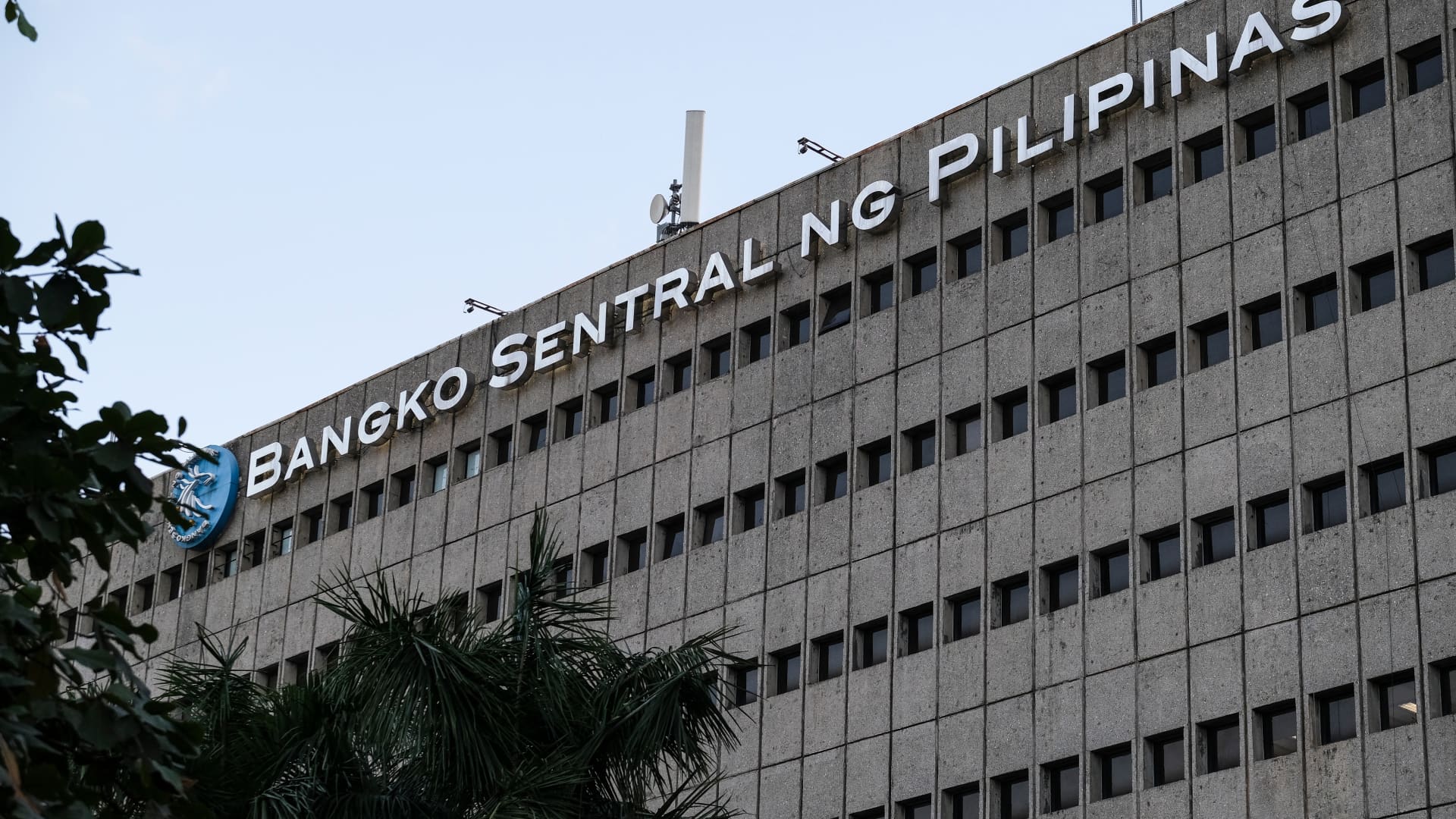
The Philippine central bank has warned that an off-cycle interest rate hike remains a possibility as authorities continue monitoring inflation risks and currency market volatility.
The statement signals growing caution among policymakers despite earlier expectations that interest rates could remain stable in the near term.
Moreover, central banks globally are facing renewed pressure linked to inflation uncertainty, volatile commodity prices, and shifting global financial conditions.
As a result, monetary authorities across emerging markets are increasingly prioritising financial stability and inflation control.
Furthermore, the comments from the Philippine central bank highlight how policymakers remain prepared to act quickly if economic risks intensify.
Why an interest rate hike remains under consideration
Central banks typically adjust benchmark rates during scheduled policy meetings. However, off-cycle policy actions may occur when economic conditions require faster intervention.
The Philippine central bank is closely monitoring:
- Inflation trends
- Currency fluctuations
- Global oil prices
- Consumer spending patterns
Because inflation can weaken purchasing power and disrupt economic stability, policymakers often use monetary tightening to manage price growth.
Consequently, the possibility of an emergency-style interest rate hike suggests regulators remain concerned about inflationary pressure.
Moreover, external economic risks continue to affect emerging market economies globally.
Inflation pressure continues to challenge central banks
Inflation remains one of the biggest concerns for monetary authorities worldwide.
Although inflation rates have eased in several economies, risks linked to:
- Energy prices
- Food costs
- Currency depreciation
- Global supply disruptions
continue creating uncertainty.
As a result, central banks are maintaining cautious policy positions.
Furthermore, inflation volatility can quickly affect household spending and business confidence.
Therefore, policymakers are avoiding premature monetary easing despite pressure from financial markets.
Currency stability becomes a key concern.
The Philippine peso and other emerging market currencies remain vulnerable to global market volatility.
When currencies weaken significantly, imported goods become more expensive. Consequently, inflation pressure may rise further.
Because of this, central banks sometimes use an interest rate hike to:
- Stabilise currency markets
- Reduce inflation risks
- Support investor confidence
- Strengthen monetary credibility
Moreover, higher interest rates may attract foreign capital inflows into domestic financial markets.
As a result, monetary policy decisions increasingly reflect both domestic and international economic conditions.
Global monetary policy uncertainty affects emerging markets
Emerging economies continue facing pressure from global monetary shifts.
Today, investors closely monitor:
- US Federal Reserve policy
- Global bond yields
- Commodity market trends
- Currency movements
Because global financial markets are highly interconnected, policy decisions by major central banks can strongly affect smaller economies.
Consequently, emerging market central banks often adopt cautious and flexible policy approaches.
Furthermore, policymakers must balance inflation control with economic growth concerns.
How an interest rate hike affects consumers and businesses
A potential interest rate hike could influence both households and businesses across the Philippines.
Consumers may experience:
- Higher loan costs
- Increased mortgage payments
- Slower credit growth
- Reduced spending power
Businesses may face:
- Higher borrowing expenses
- Slower investment activity
- Tighter financing conditions
- Increased operational pressure
However, tighter monetary policy may also help stabilise inflation over the longer term.
Therefore, policymakers must carefully balance short-term economic pressure with long-term financial stability.
Comparison between stable rates and tighter monetary policy
| Feature | Stable Interest Rates | Higher Interest Rates |
|---|---|---|
| Borrowing costs | Lower | Higher |
| Inflation control | Limited | Stronger |
| Consumer spending | Higher | Slower |
| Currency support | Weaker | Stronger |
| Economic growth | Faster | More cautious |
This comparison highlights the trade-offs central banks face when considering policy tightening.
Financial markets react to central bank guidance.
Financial markets closely analyse signals from central banks regarding future policy direction.
Even suggestions of a possible interest rate hike can affect:
- Bond markets
- Currency trading
- Equity markets
- Investor sentiment
As a result, central bank communication has become a critical part of modern monetary policy.
Moreover, policymakers often use forward guidance to manage market expectations and reduce volatility.
Consequently, statements regarding inflation risks and monetary tightening are carefully monitored by investors worldwide.
Risks linked to aggressive monetary tightening
Although rate increases may help control inflation, aggressive tightening also creates risks.
Key concerns include:
- Slower economic growth
- Reduced consumer demand
- Higher debt servicing costs
- Increased pressure on businesses
Furthermore, emerging markets may face additional challenges if global economic conditions weaken further.
Because of this, central banks must carefully evaluate economic data before implementing policy adjustments.
Therefore, future decisions will likely remain highly data-dependent.
Philippine economy faces a balancing challenge.
The Philippine economy continues balancing growth ambitions with inflation management priorities.
While economic activity remains relatively resilient, policymakers are aware that prolonged inflation could weaken consumer confidence and financial stability.
Moreover, global uncertainty linked to trade conditions and commodity markets continues to affect economic forecasts.
As a result, the central bank may maintain a cautious policy stance in the months ahead.
Consequently, markets are likely to remain highly sensitive to inflation data and policy signals.
Future outlook for interest rate policy in the Philippines
The future direction of Philippine monetary policy will likely depend on several key economic indicators.
These include:
- Inflation performance
- Currency stability
- Economic growth trends
- Global financial conditions
If inflation risks intensify, policymakers could move forward with an off-cycle interest rate hike.
However, if inflation stabilises and market conditions improve, authorities may maintain current rates for longer.
Therefore, flexibility is expected to remain central to future policy decisions.
Final Thoughts on the Philippine Interest Rate Hike OutlookThe
The Philippine central bank’s warning about a possible off-cycle interest rate hike highlights the ongoing challenges facing emerging market economies.
As inflation pressure and currency volatility continue affecting financial markets, policymakers remain focused on maintaining economic stability.
Moreover, global uncertainty is forcing central banks to remain flexible and responsive to rapidly changing economic conditions.
Ultimately, future monetary policy decisions will depend heavily on inflation trends, market stability, and broader global economic developments.
Comments
No comments yet. Be the first to share your thoughts.
Leave a comment