
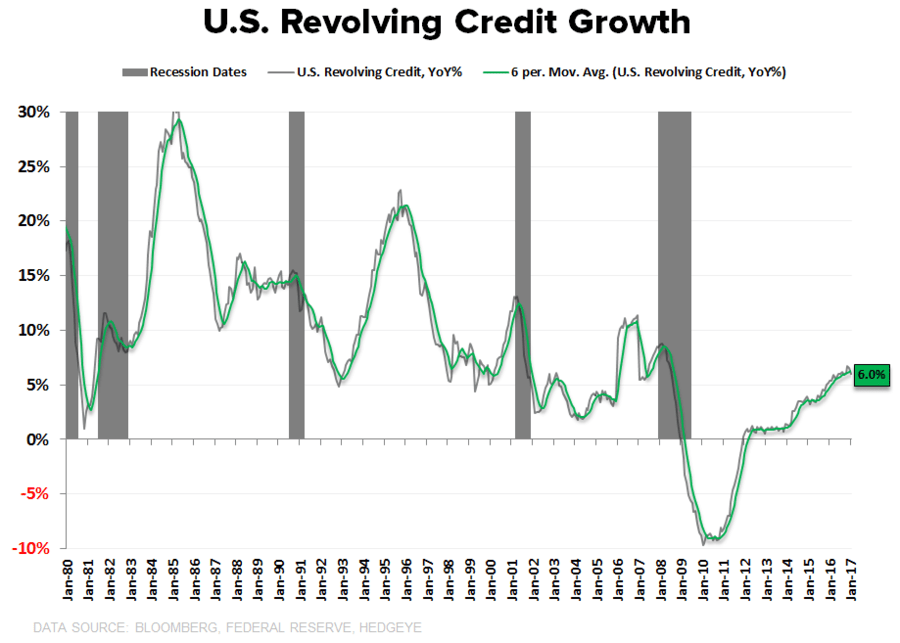
Recent revolving credit growth of 10.4% has drawn attention from economists and financial analysts as a sign that consumers continue to show resilience despite economic uncertainty.
Moreover, the increase suggests households remain active in spending and borrowing. As a result, consumer activity continues supporting broader economic performance.
Furthermore, credit trends often provide important insights into financial confidence and spending behavior.
Credit growth indicates stronger consumer spending
The latest revolving credit growth indicates that many consumers continue using credit products to support purchases and everyday expenses.
Several factors may contribute to the trend:
- Consumer spending activity
- Stable employment conditions
- Access to credit products
- Household financial flexibility
- Ongoing economic participation
Moreover, consumer confidence often influences borrowing patterns. Because households continue making purchases, credit usage remains an important economic indicator.
Furthermore, spending activity can contribute to overall economic growth.
Consumer resilience remains visible
The rise in revolving credit growth has strengthened discussions about consumer resilience.
Moreover, households have continued adapting to changing economic conditions. Because consumers play a major role in economic activity, their spending habits often influence broader market performance.
In addition, resilient spending patterns may support business revenues.
Furthermore, strong consumer participation remains important for growth.
Revolving credit growth supports economic activity
The latest revolving credit growth highlights the connection between consumer borrowing and economic momentum.
Several benefits associated with healthy consumer activity include:
- Strong retail sales
- Business revenue support
- Increased market activity
- Consumer confidence
- Economic expansion
Moreover, spending remains a major component of economic performance. Because borrowing can help support purchases, credit activity often attracts close attention from analysts.
Furthermore, consumer demand remains an important driver of growth.
Household finances remain in focus
The discussion surrounding revolving credit growth also raises questions about household financial conditions.
Moreover, rising credit balances can reflect confidence but may also indicate increased reliance on borrowing. Because financial circumstances vary among households, analysts continue examining broader trends.
In addition, repayment behavior remains important.
Furthermore, income growth and employment conditions often influence borrowing patterns.
Comparison between strong and weak consumer activity
| Feature | Strong Consumer Activity | Weak Consumer Activity |
|---|---|---|
| Spending Levels | Higher | Lower |
| Credit Usage | Active | Limited |
| Retail Performance | Stronger | Weaker |
| Business Confidence | Higher | Lower |
| Economic Support | Greater | Reduced |
Moreover, this comparison demonstrates why consumer trends receive significant attention from economists.
Revolving credit growth attracts analyst attention
The recent revolving credit growth figure has become a closely watched indicator among market observers.
Moreover, credit data can provide insight into how consumers respond to economic conditions. Because spending patterns often signal broader economic trends, analysts continue monitoring borrowing activity.
In addition, credit performance may influence future economic forecasts.
Furthermore, financial institutions closely follow consumer behavior.
Consumer borrowing remains an important indicator
The increase in revolving credit growth shows why consumer borrowing remains a valuable measure of economic health.
Several areas analysts monitor include:
- Credit balances
- Spending habits
- Repayment trends
- Household confidence
- Economic participation
Moreover, borrowing data can reveal how consumers manage finances over time. Because economic conditions continue changing, these indicators remain important.
Furthermore, financial trends often help shape market expectations.
Economic outlook remains closely tied to consumers
The latest revolving credit growth reinforces the importance of consumers within the broader economy.
Moreover, household spending supports businesses across multiple sectors. Because consumers account for a large share of economic activity, their financial behavior continues influencing growth prospects.
In addition, market participants remain focused on future spending trends.
Furthermore, consumer confidence remains a critical factor.
Future outlook
The future direction of revolving credit growth will depend on employment trends, interest rates, inflation, and consumer confidence.
Moreover, analysts expect consumer behavior to remain an important driver of economic performance. Because households continue adapting to changing conditions, credit activity may remain closely watched.
In addition, borrowing patterns could influence future economic forecasts.
Furthermore, spending trends are likely to remain a major focus for investors and policymakers.
Final Thoughts
The latest revolving credit growth figure of 10.4% suggests that consumers continue showing resilience despite economic challenges.
Moreover, active spending and borrowing patterns highlight ongoing participation in the economy. As a result, consumer activity remains a key source of support for broader economic growth.
Ultimately, revolving credit growth continues serving as an important indicator of household confidence, spending behavior, and economic strength.
PYMNTS | Revolving Credit’s 10.4% Growth and Consumer Resilience
Comments
No comments yet. Be the first to share your thoughts.
Leave a comment