
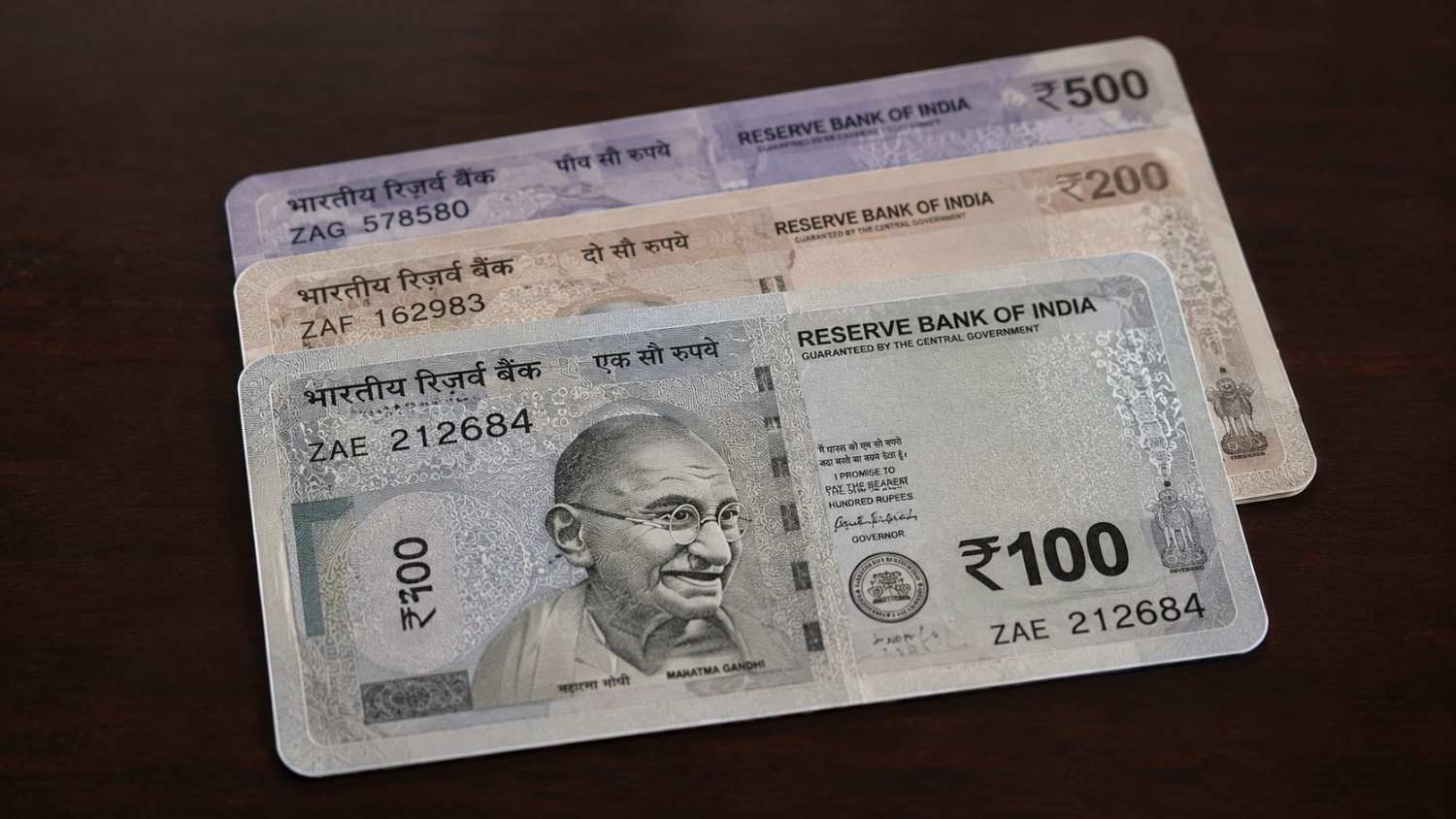
The latest Plastic banknotes RBI discussions are drawing attention as the Reserve Bank of India studies the possible use of polymer-based currency notes.
Moreover, plastic banknotes are seen as stronger, cleaner, and more durable than traditional paper currency.
As a result, the RBI is exploring whether these notes could improve currency life and reduce replacement costs.
Furthermore, many countries have already adopted polymer notes to improve security and durability.
What are plastic banknotes?
The term Plastic banknotes RBI refers to currency notes made from polymer material instead of cotton paper.
Several major features include:
- Longer lifespan
- Better resistance to water
- Improved cleanliness
- Stronger security features
- Lower damage risk
Previously, most Indian currency notes were made using cotton-based paper material. However, polymer notes are designed to last longer under daily use.
Consequently, many central banks are now shifting toward plastic currency systems.
Moreover, polymer notes are harder to tear compared with traditional paper notes.
RBI plastic currency may reduce replacement costs
The idea of RBI plastic currency is becoming important because damaged paper notes require frequent replacement.
Several important benefits may include:
- Lower printing costs over time
- Fewer damaged notes
- Better note quality
- Reduced maintenance expenses
Because paper notes wear out quickly in hot and humid conditions, plastic notes may survive longer in circulation.
As a result, the RBI could reduce long-term currency replacement spending.
Furthermore, stronger currency notes may improve daily cash handling across the banking system.
The Polymer banknotes India plan focuses on durability
The possible polymer banknotes in India move is mainly linked to durability and security improvements.
Several major advantages include:
- Water resistance
- Better strength
- Longer circulation life
- Advanced anti-counterfeit features
Because counterfeit currency remains a concern globally, polymer notes can support stronger security systems.
Consequently, central banks are exploring safer note printing technology.
Moreover, many polymer notes include transparent windows and advanced safety designs.
Indian currency changes reflect global banking trends
The wider Indian currency changes discussion reflects broader global trends in currency management and banking technology.
Several countries already using polymer notes include:
- Australia
- Canada
- United Kingdom
- Singapore
- New Zealand
Because these countries reported better durability and lower replacement rates, other central banks are studying similar systems.
As a result, India may also review the long-term benefits of plastic banknotes.
Furthermore, modern currency systems are becoming more technology-focused worldwide.
Comparison between paper notes and plastic banknotes
| Feature | Paper Notes | Plastic Banknotes |
|---|---|---|
| Durability | Lower | Higher |
| Water resistance | Weak | Strong |
| Lifespan | Shorter | Longer |
| Tear resistance | Lower | Better |
| Security features | Standard | Advanced |
This comparison explains why many central banks are considering polymer currency systems.
Moreover, longer-lasting notes may help reduce operational costs.
Durable banknotes may improve cash handling
The push for durable banknotes could help improve currency handling across shops, banks, and public services.
Several important improvements may include:
- Cleaner notes
- Lower damage rates
- Easier circulation management
- Better customer experience
Because damaged notes create problems for businesses and banks, stronger currency may improve cash operations.
Consequently, financial authorities continue reviewing currency quality upgrades.
Moreover, durable notes may remain usable for longer periods.
Currency printing upgrade supports security goals
The possible currency printing upgrade also supports wider financial security and anti-counterfeit goals.
Several important priorities include:
- Better counterfeit protection
- Stronger note quality
- Improved printing technology
- Safer currency circulation
Because fake currency remains a risk for financial systems, central banks continue improving note security technology.
As a result, polymer notes may become part of future currency modernization plans.
Furthermore, advanced printing systems are becoming increasingly important worldwide.
Why RBI is considering plastic banknotes now
The current Plastic banknotes RBI discussion comes at a time when central banks are focusing more on efficiency, security, and cost control.
Several important reasons include:
- Rising note replacement costs
- Need for durable currency
- Better anti-counterfeit systems
- Global shift toward polymer notes
Because India handles very large cash circulation volumes, longer-lasting notes may provide operational benefits.
Consequently, the RBI is studying whether polymer notes could improve long-term currency management.
Moreover, modern banking systems are increasingly adopting advanced currency technology.
Future outlook for Plastic banknotes RBI plans
The future outlook for Plastic banknotes RBI plans will depend on testing, cost analysis, and policy decisions.
Several future trends may include:
- Pilot projects
- Improved currency security
- Longer-lasting banknotes
- Banking system upgrades
Additionally, the RBI may continue studying international experiences before making large-scale changes.
Because polymer currency systems require investment and operational planning, implementation could take time.
As a result, future decisions will likely focus on cost, durability, and security benefits.
Final Thoughts on Plastic banknotes RBI discussions
The latest Plastic banknotes RBI discussions highlight how central banks are exploring safer and longer-lasting currency systems.
As banking technology and security needs continue evolving, polymer notes are becoming more attractive globally.
Moreover, stronger and cleaner currency notes may help improve daily cash handling and reduce replacement costs.
Ultimately, the discussion reflects the broader push toward modern and secure currency management systems.
https://www.business-standard.com
Comments
No comments yet. Be the first to share your thoughts.
Leave a comment